The Midnight Garden Raids: The Shocking True-Crime History of the Hosta World
Disclaimer: As an Amazon Associate, I earn from qualifying purchases.
If you walk out into a peaceful shade garden on a quiet evening, you’ll likely hear nothing but the gentle rustle of leaves and the faint hum of cicadas. It is the ultimate space for tranquility. We tend to view the history of gardening as a gentle timeline of tea-sipping botanists and grandmothers swapping divisions over the back fence.
But grab a delicious cup of coffee and get comfortable, because the history of the hosta world actually hides a massive, shocking true-crime scandal.

Check price on Amazon Here: https://amzn.to/4pEBuVE
If you think shade gardening is devoid of drama, get ready for the bizarre saga of Paul Aden—the man who was once revered as the greatest hosta hybridizer in American history, only to be exposed after his death as what many call the greatest thief and con artist in botanical history. It’s a story of secret midnight garden raids, fabricated identities, an iron-fisted rule of fear, and a massive cover-up.
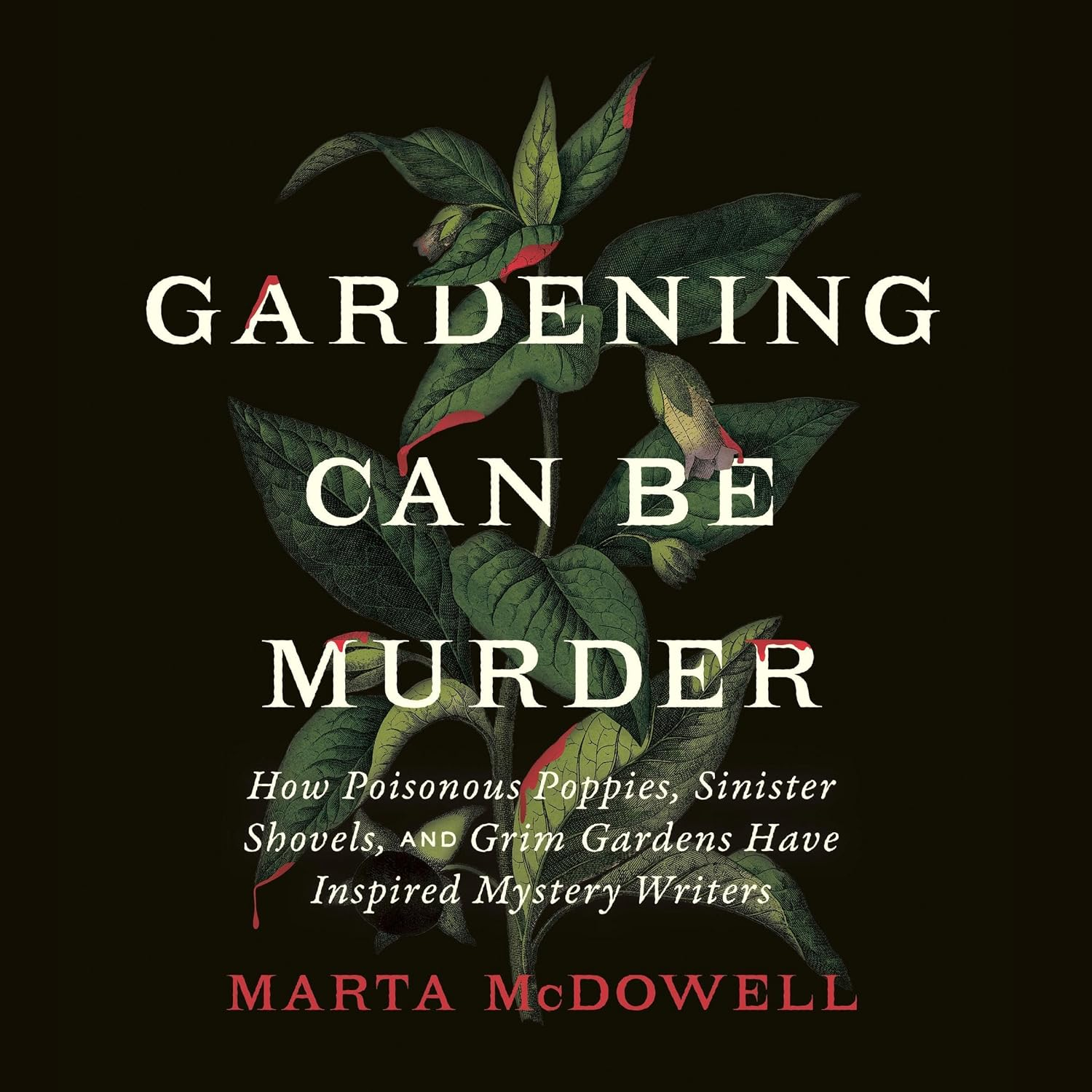
If you love the intersection of mystery and horticulture, you aren't alone; authors have been writing about this dark side of the soil for centuries. In fact, books like
Check Price here on Amazon: https://amzn.to/4b4dBko
Gardening Can Be Murder by Marta McDowell dive deep into how the seemingly innocent garden has historically been the perfect backdrop for misdeeds and mysteries. But Paul Aden’s story wasn't fiction.
The "King" of the Hosta World
Back in the 1970s and 1980s, Paul Aden was an absolute superstar. Operating from a relatively small suburban lot on Long Island, New York, Aden single-handedly registered and introduced some of the most famous, landscape-defining hostas in history.

In fact, if you have a shade garden, there is a very high probability you own some of his "creations." We are talking about absolute titans of the industry:
- Hosta 'Sum and Substance'
- Hosta 'Blue Angel'
- Hosta 'Great Expectations'
- Hosta 'Love Pat'
Aden proudly called himself the "Father of Hosta". He wrote books, gave glowing interviews to major newspapers, and built a massive fortune selling the propagation rights of these magnificent plants to commercial nurseries. He was the undisputed golden boy of the horticultural world.
But behind the scenes, a few eagle-eyed growers noticed that the math just wasn't mathing.
The Clues That Sparked Suspicion
The first problem was spatial. Hybridizing hostas—painstakingly cross-pollinating flowers, growing thousands of tiny seedlings, and culling them down over years to find a single winner—requires acres of land and a mountain of patience. Yet, Aden was cranking out hundreds of world-class, uniquely distinct cultivars from a tiny suburban backyard.
The second problem was that Aden didn't seem to actually understand hosta genetics. When fellow hybridizers asked him how he achieved a specific variegation or unique, heavy leaf texture, he would nervously brush it off, claiming the parentage was a "trade secret".

(sum and substance)
When forced to list parent plants on official registry forms, he simply invented fake plants. He filled out forms with imaginary codes like "Aden 365" or "Aden 81-B1"—plants that absolutely nobody had ever seen. In conversation, he would routinely make basic genetic blunders, seemingly unaware of how traits were actually passed down.
The Grand Deception Exposed
For decades, the American Hosta Society was too intimidated to investigate him. Aden was incredibly wealthy, powerful, and litigious. He sat on the society's board for 13 years and explicitly threatened to sue anyone who questioned the origin of his plants into bankruptcy.
It wasn't until after Aden passed away that the American Hosta Society finally formed a secret "Cultivar Origination Commission" in 2012 to uncover the truth. What they uncovered was a massive, decades-long heist. Paul Aden hadn't hybridized almost any of his famous plants. He had stolen them.
The Midnight Raids on Florence's Garden
The commission discovered that Aden’s primary source of "genius" was a wealthy, brilliant, but intensely private hobbyist hybridizer named Florence Shaw.
Florence had a massive estate in Massachusetts where she spent decades quietly creating the most advanced, beautiful hosta seedlings in the world. She didn't care about fame or registrations; she just grew them for her own joy. But in the early 1970s, Florence became gravely ill.
According to witnesses and the commission's final report, Aden took monstrous advantage of her illness. He visited the estate, and either during her lingering sickness or immediately after her death in 1974, he dug up and took her absolute best, most prized hybrid seedlings without permission.
He took Florence Shaw's brilliant life's work, brought the plants back to his Long Island yard, stamped his own name on them, and sold them to the world. The legendary Hosta 'Blue Angel' and Hosta 'Sum and Substance'? Those weren't the result of Paul Aden's genetic wizardry—they were the stolen masterpieces of a brilliant woman who passed away before she could see the world admire her work.
Rewriting Hosta History
Aden didn't stop with Florence Shaw. The commission proved he also stole plants from elite British growers and other American hybridizers who had shared divisions with him in confidence, only for Aden to turn around, register them under his own name, and pocket the royalties.
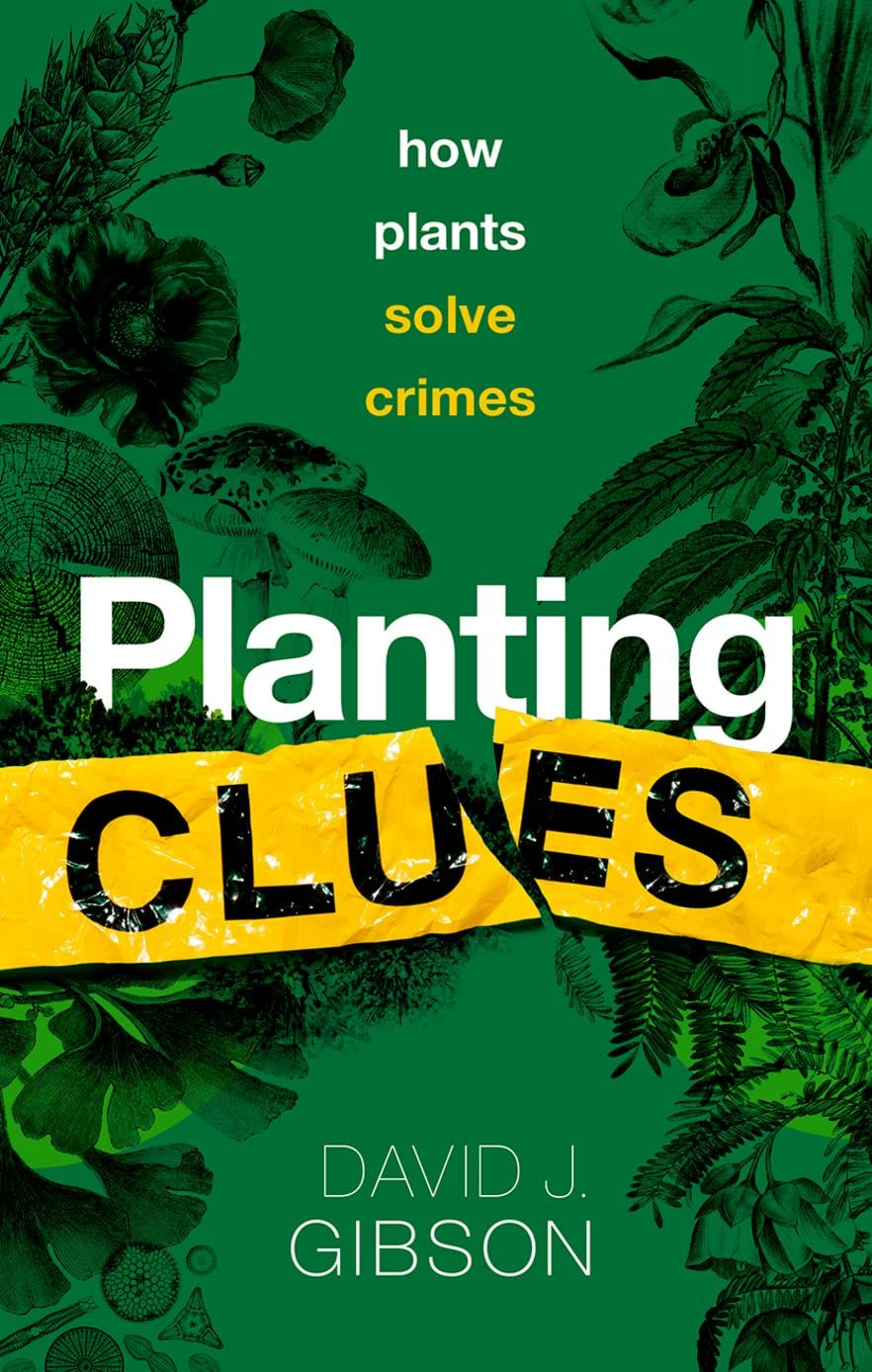
It's the kind of high-stakes botanical drama that rivals actual police procedurals. If you love reading about real-life forensic investigations involving nature, books like Planting Clues: How Plants Solve Crimes by David J. Gibson offers a fascinating look into how plants can't lie to investigators.
Check price here on Amazon: https://amzn.to/4bbSGvL
In 2012, the International Registrar for the Genus Hosta took an unprecedented step. They placed a permanent asterisk next to all of Paul Aden's 189 registered hostas. The society stripped his name from the parentage records, replacing his fake codes with the word Unknown, and officially credited Florence Shaw and others as the true creators.
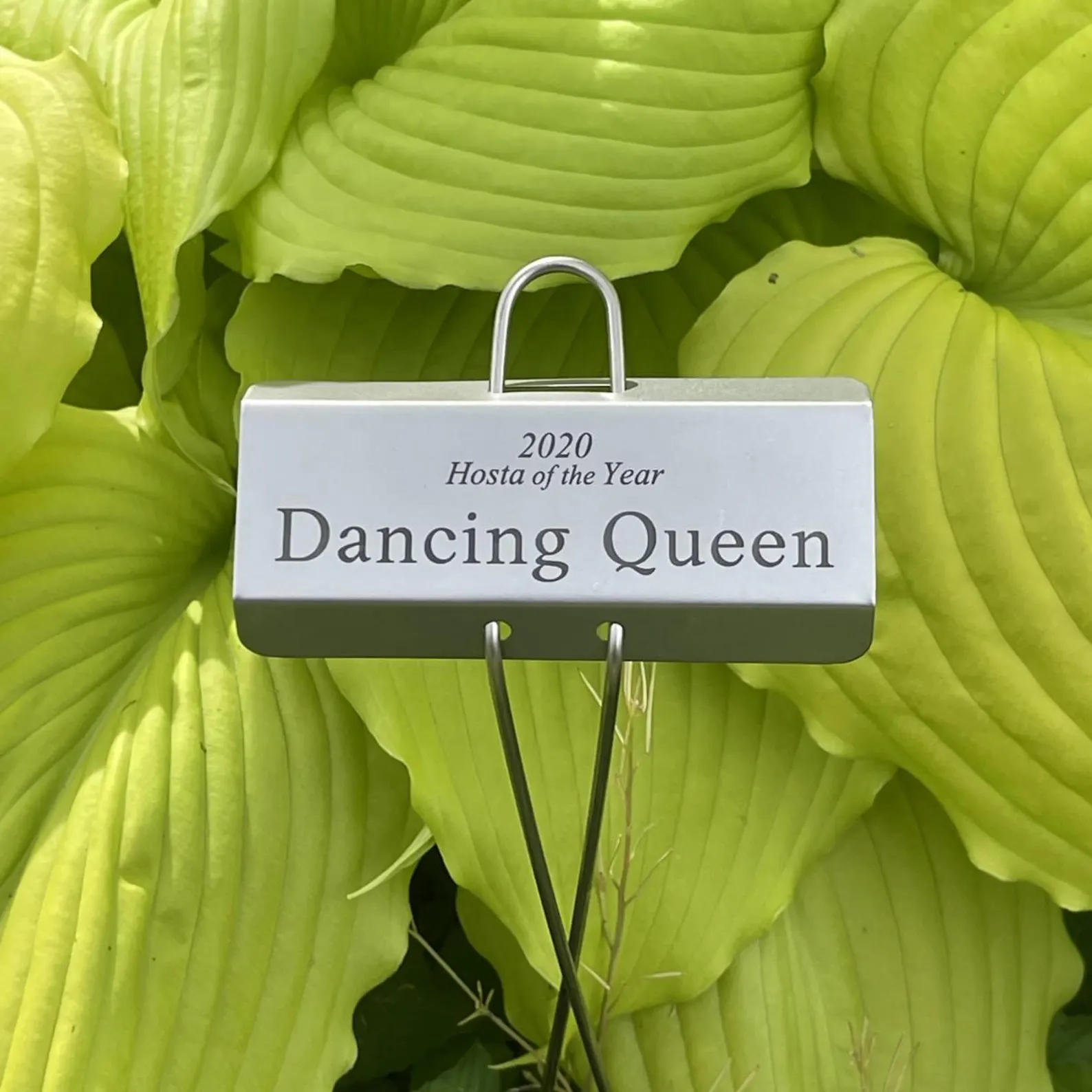
If you have these historical varieties in your yard, marking them with high-quality, permanent plant marker set is a great way to keep them identified. Don’t forget to order a UV resistant permanent marker.

Check price here on Amazon: https://amzn.to/4pCDvle
So, the next time you walk past a massive, beautiful specimen of 'Sum and Substance' or 'Blue Angel' on a nursery table or in a backyard garden, take a closer look. You aren't just looking at a great plant—you're looking at the living centerpieces of the greatest true-crime heist the gardening world has ever seen. We might plant them in the shade, but the truth always finds a way into the light!




0 Comments