Confessions of a Physical Therapy "Lifer"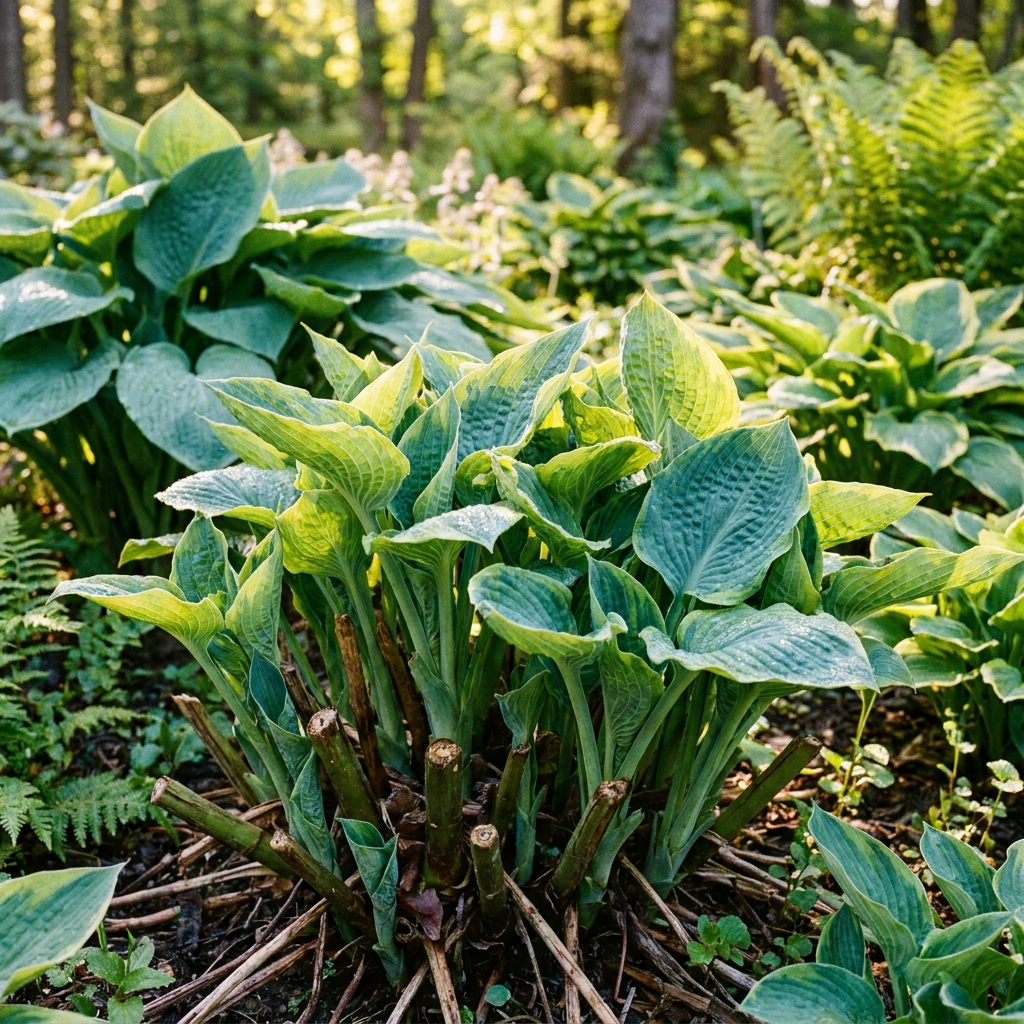
If you’ve ever spent an afternoon with your hands in the dirt, you know the deceptive nature of a garden. You set out with a simple, modest goal: I am just going to clear this one, tiny two-by-four-foot patch of stubborn roots.
But the moment you dig your spade into the earth, the garden laughs.
You tug on a weed, only to find its runner stretches deep beneath the soil, winding its way under a prize hosta. To save the hosta, you have to lift it. Once the hosta is up, you realize the soil beneath it is heavy, compacted clay that desperately needs aeration. To fix the clay, you dig deeper—suddenly exposing the root system of a nearby shrub that has been quietly choking out everything else. What started as a quick twenty-minute tidy-up has unraveled into a multi-season landscape rehabilitation project.
Everything is connected. You cannot touch one corner of the garden without shaking the whole ecosystem.
Lately, my body has been teaching me this exact same lesson.
The Cascade of the "Lifer"
It started years ago with my right shoulder. A torn rotator cuff, a surgical repair, and my first real introduction to physical therapy. No sooner had we gotten that side functioning than the left rotator cuff gave out. Another surgery, another round of rehab.
Fast forward to today: that left shoulder is now frozen with a replacement hovering on the horizon, and in compensating for it, my knees started crying out for attention. Tending to the knees apparently offended my hips, which promptly threw my back out of alignment.
Every time I try to cultivate peace in one joint, the pain simply packs its bags and moves to a new neighborhood.
My physical therapy file is now so thick it takes two hands to lift. Not long ago, I saw the word "Lifer" stamped across the front cover. I had to laugh. It’s true—I am a permanent resident of the rehabilitation world. But in my years as a "lifer," I’ve learned a profound truth: there is a night-and-day difference between simply maintaining a garden and knowing how to make it thrive.
Cultivating the Right Environment
I know I have the absolute best therapy team in the greater Milwaukee area. I realized this during my first shoulder rehab. A coworker had the exact same surgery at the exact same time. She went to therapy on her lunch hour—literally a thirty-minute, drive-thru appointment. Meanwhile, my sessions were a full two hours.
You wouldn’t think you could spend two hours working on a single shoulder, but when master gardeners tend to you, they don’t just spritz the leaves with water and walk away. They pull out every tool in their arsenal.
First, heat packs for fifteen minutes—so deeply relaxing you could easily drift off to sleep. It’s the bodily equivalent of warming the soil, improving circulation and preparing tender, stiff muscles for the hard work ahead. Then comes targeted stretching, strength work, massage, and finally ultrasound and E-stim to quiet the nerves before you head home.
Lately, as my knees, hips, and back have joined the party, I’ve been plagued by stubborn muscle knots. They are the deep, woody, compacted roots of the body—so tight that standard massage couldn't begin to budge them.
So, we had to bring out the heavy tools: dry needling and muscle scraping.
Dry needling sounds barbaric, and muscle scraping feels a bit like someone sculpting your tissue with a butter knife. It isn’t always pleasant. But just like hard-pruning a wild, overgrown shrub or dividing a heavily root-bound perennial, these intense techniques are a complete game-changer. They break up the stagnation, force the body to send healing energy to the core of the knot, and ultimately get results.
Tending to the Entire Family Garden
This tailored recipe is only half of why I keep going back. The real magic of the Injury Rehabilitation Clinic in Brookfield is the people running it.
It’s a family practice run by a mother-and-son team, Mary and Matt Patton, alongside an extraordinary crew of caretakers. They remind me so much of my dad’s old dental practice: they don’t treat you like a collection of symptoms or a checklist to be cleared. They remember your name, your past surgeries, your quirky muscle knots, and your kids.
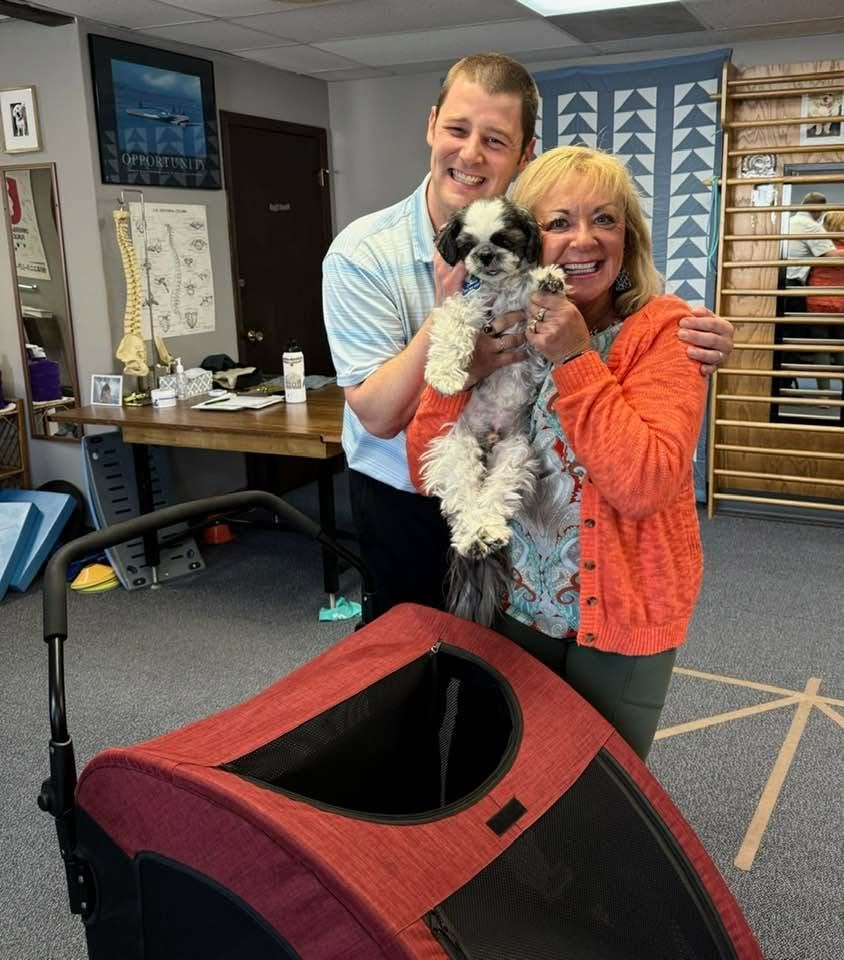
In fact, Mary, Matt, and the rest of the IRC team aren't just tending to my individual plot—they are true master gardeners who have taken care of our entire family garden, no matter what limitations or wild weather each of us brought through the door.
When my husband, Paul, tore his hip labrum and needed post-surgery rehab, they patiently coaxed his movement back.
When my oldest son, Ben, faced a series of grueling sports injuries, their expert care kept him in the game all the way to earning a Division I football offer.
When my middle son, Ryland, was struck by a car while riding an e-scooter—suffering horrific whiplash—the IRC crew carefully worked their magic and put him back together in record time.
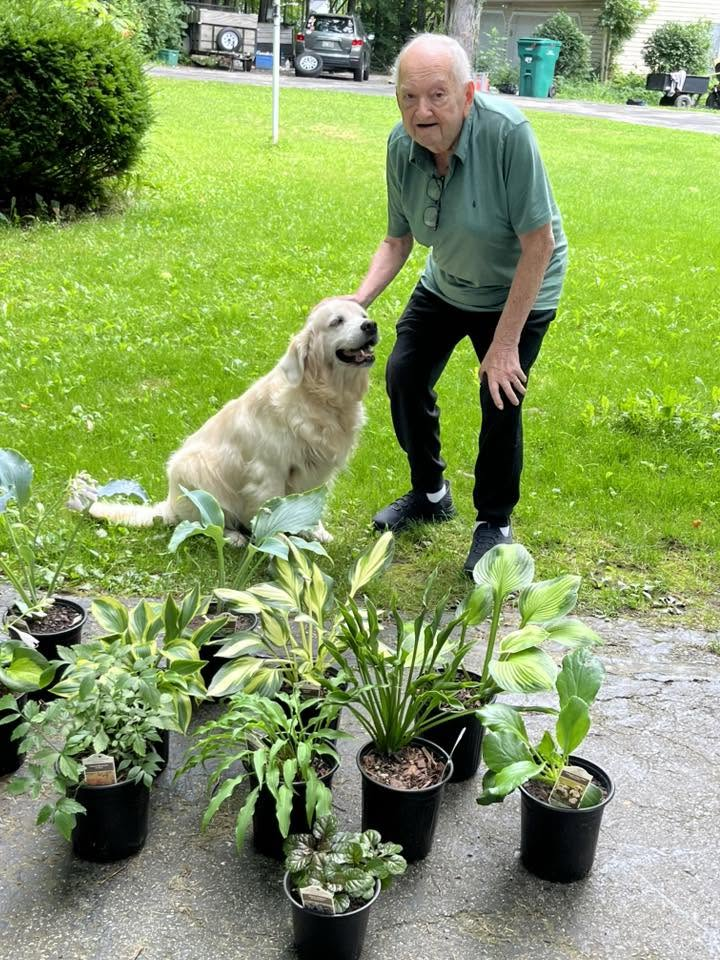
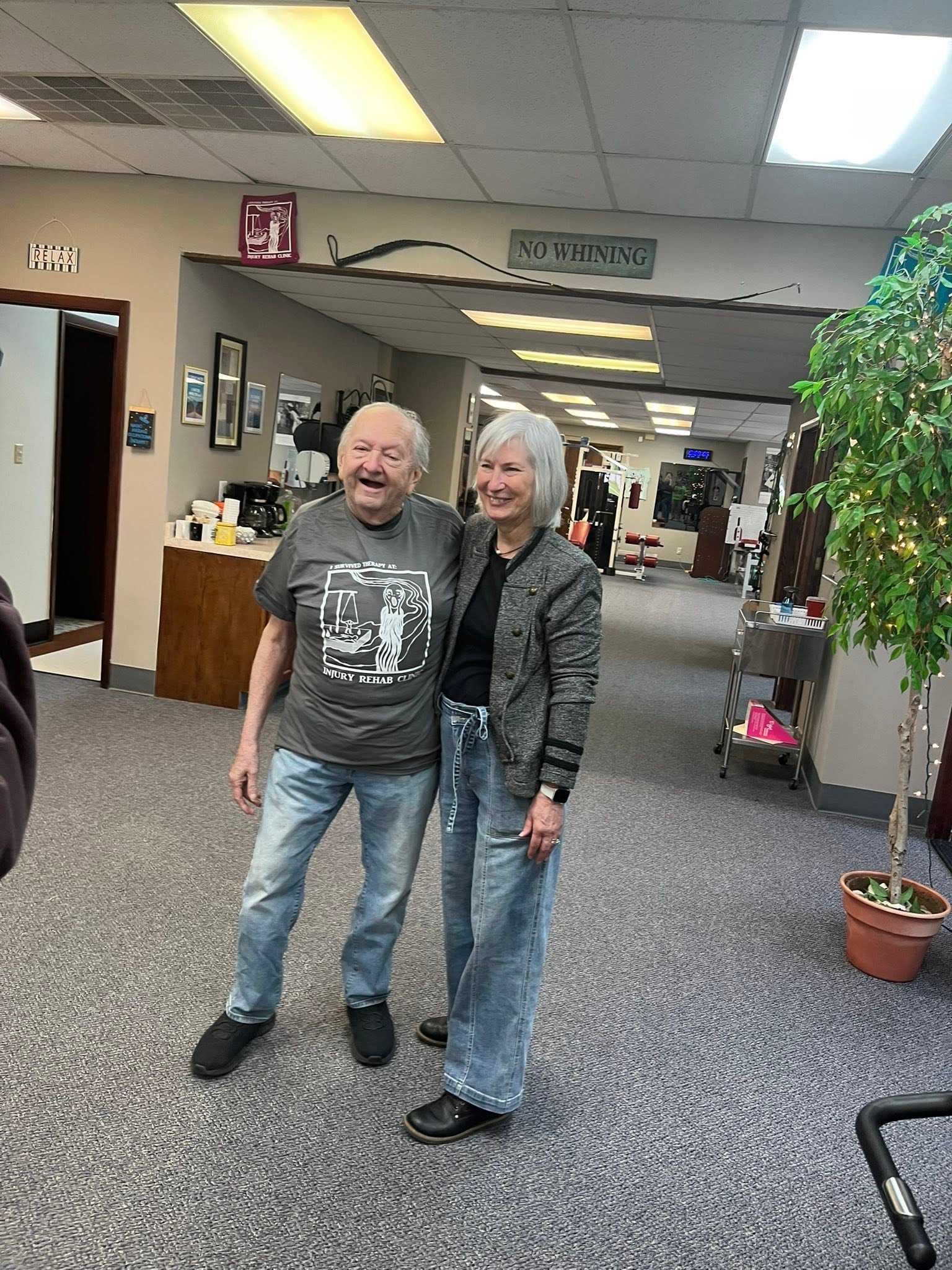
Then there’s my father-in-law, Ed. When he first came to live with us, he relied heavily on a walker, struggled to push himself up out of a chair, and couldn't safely navigate our front stoop without practically throwing himself off the step. After just two months under Mary and Matt's watchful eyes, he retired the walker entirely. Today, he spends his time walking all over the property, taking the dog out, and helping us pot plants at our hosta farm—we literally struggle to keep up with him! Just today, I caught him expertly snapping a kitchen towel to take out a fly.
Perhaps most special of all was what they did for my youngest son, Alex, who has autism. Through a program with the Department of Vocational Rehabilitation, IRC opened their doors so he could complete a work experience placement. Mary, Matt, and the team created an environment so warm, positive, and uplifting that Alex thrived doing office tasks, laundry, and cleaning. I can’t get that boy to do a lick of work at home, but they had him cheerfully scrubbing urinals with a smile on his face!
That is what true master gardeners do. They look at every plant in the garden—whether it's bruised, storm-battered, slow to bloom, or growing in a completely unique way—and they cultivate the exact conditions it needs to stand tall and flourish.
And they are just plain fun. Physical therapy isn’t always a picnic. But they will make sure you laugh through the experience. You leave feeling cared about, and know that you are not just a number.
Hard Work, Deep Growth
I won't sugarcoat it: this journey is hard work. Sometimes it hurts. Sometimes I sweat, and sometimes I wonder if my body will ever stop protesting.
But the garden has taught me that this is exactly how life works.
If you want a beautiful, thriving landscape, you have to dig. You have to wrestle with the stubborn roots, turn over the heavy soil, and sometimes accept some drastic pruning. Growth is hard, messy work. It demands tenacity, and it demands an immense amount of patience while our bodies slowly adapt into what we need them to be.
On the days when I don’t have enough confidence or belief in my own strength, I am incredibly grateful to have Mary, Matt, and the IRC team, who have more than enough belief to share.
We can't shy away from the hard work of rehabilitation, because the alternative is letting the landscape wither. So we keep digging, keep stretching, and keep pushing forward.
After all, if we’re not growing, we’re withering.


0 Comments