Rooted in History: How Hostas Conquered the American Shade Garden
Disclaimer: As an Amazon Associate, I earn from qualifying purchases.
Every now and then, as I walk past our nursery tables and run my fingers over the leaves, I can't help but marvel at the sheer variety of it all. From the tightly curled and whimsical edges to the massively fat, heavy-substance leaves, and the classic, elegant heart shapes—all standing together in a patchwork of powdery blues, radiant golds, and crisp variegations. Looking at them now, it feels like they’ve always been a part of our landscape.
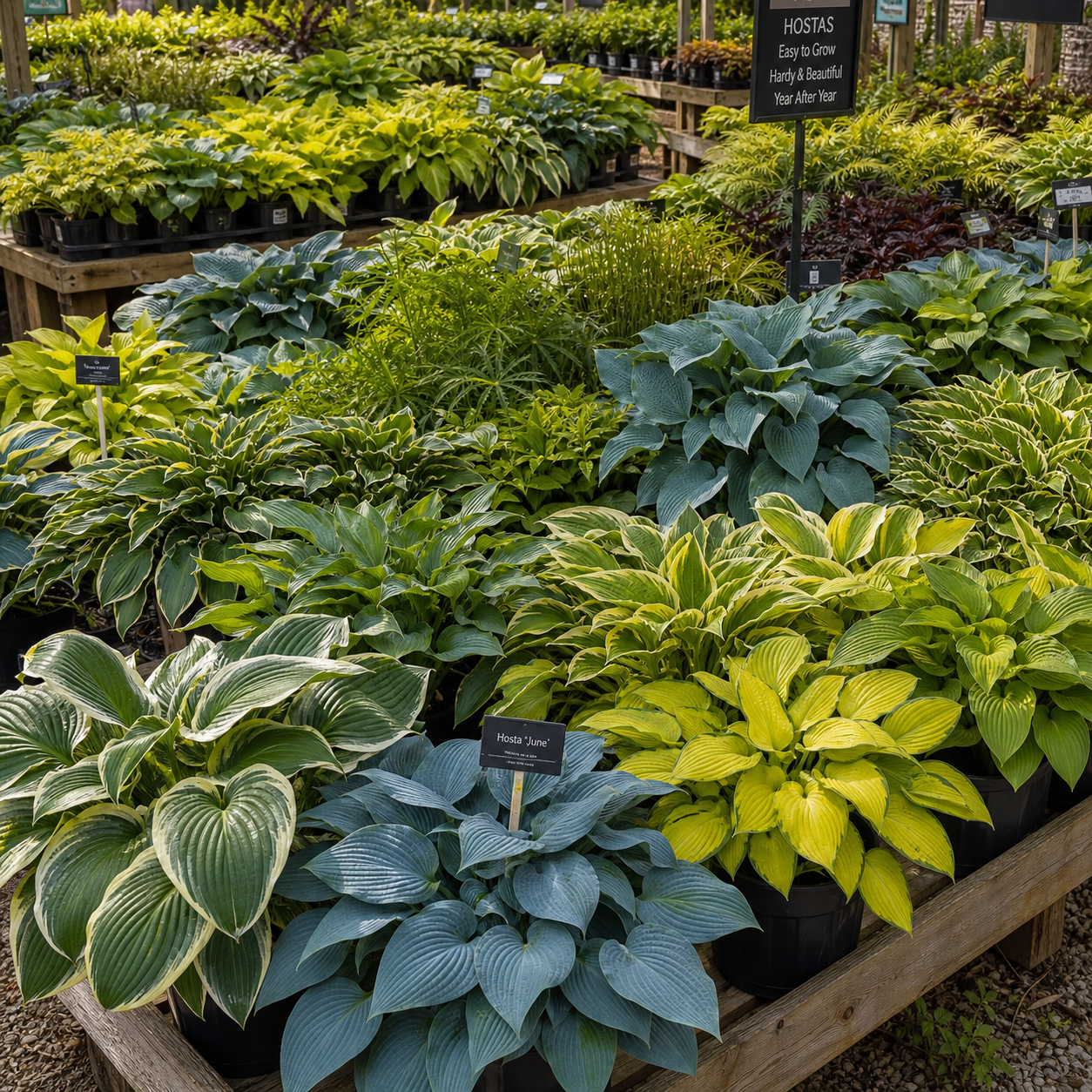
But it often makes me wonder: how did these plants, which started out growing wild across the ocean in Asia, find their way into American dirt and ultimately become the absolute heart of our shade gardens?
The journey of the hosta is a wild, continent-hopping story. It’s a tale mixed with high-seas plant smuggling, a few lucky genetic miracles, and a massive shift in American history that turned a forgotten, wild Asian cliff-dweller into the undisputed "Queen of the Shade Garden" we know and love today.
The Great Asian Plant Rush
Before they ever touched American soil, hostas had to make a long pit stop in Europe. Hostas are native to East Asia—specifically China, Korea, and Japan—where they grew wild in moist woodlands, riverbanks, and steep, rocky ravines. (Which, if you think about it, explains why they handle our heavy clay and damp, shaded spots so beautifully today!)
In the late 18th century, the very first hosta left China for Paris. It was Hosta plantaginea, prized for its large, fragrant white flowers. But the real game-changer came in the 1830s thanks to a German physician and botanist named Philipp Franz von Siebold. He was working for the Dutch East India Company in Japan—which was strictly closed to foreigners at the time. Sneaking around the strict borders, Siebold managed to smuggle out dozens of plants. Among his hidden treasures were the ancestors of our modern large, blue, and heavily textured hostas.
Crossing the Atlantic to America
It wasn’t long before these resilient plants made their grand entrance to the United States. In the mid-19th century, a man named Thomas Hogg, who was working for the U.S. government in Japan, began shipping unique specimens back to his brother’s nursery in New York.
If you are fascinated by this early era of high-stakes global plant trading and how America established its very first botanical spaces, you will absolutely love the bestselling book American Eden by Victoria Johnson (check price on Amazon, here: https://amzn.to/4w3jcQo ). It’s a captivating look at the forgotten pioneers who tilled the very first botanical gardens into American soil.
Back then, if you walked into an early American nursery, you wouldn't find them labeled as "hostas." For generations, old-school gardeners knew them as Funkia (after German botanist Heinrich Christian Funck) or Plantain Lilies, because their broad leaves mirrored the wild plantain weed.
For their first few decades in American dirt, they were treated as functional, somewhat boring utility plants. Gardeners would plant plain green varieties along a north-facing foundation or under a porch simply because nothing else would survive there. They were tough and tolerated neglect, but they weren't exactly turning heads.
A Stroke of Genetic Luck
The turning point for the hosta in America happened when the plants started doing what they do best: sporting. Every so often, a hosta throws a spectacular genetic curveball, producing a spontaneous mutation on a single division that looks completely different from the mother plant.
In the 1930s, a sharp-eyed gardener named Frances Williams from Massachusetts noticed something peculiar on a plain-leafed hosta she had planted. One small division had developed a stunning, wide, golden-yellow border around a smoky, blue-green center. She carefully divided it, nurtured it, and shared it with the world.
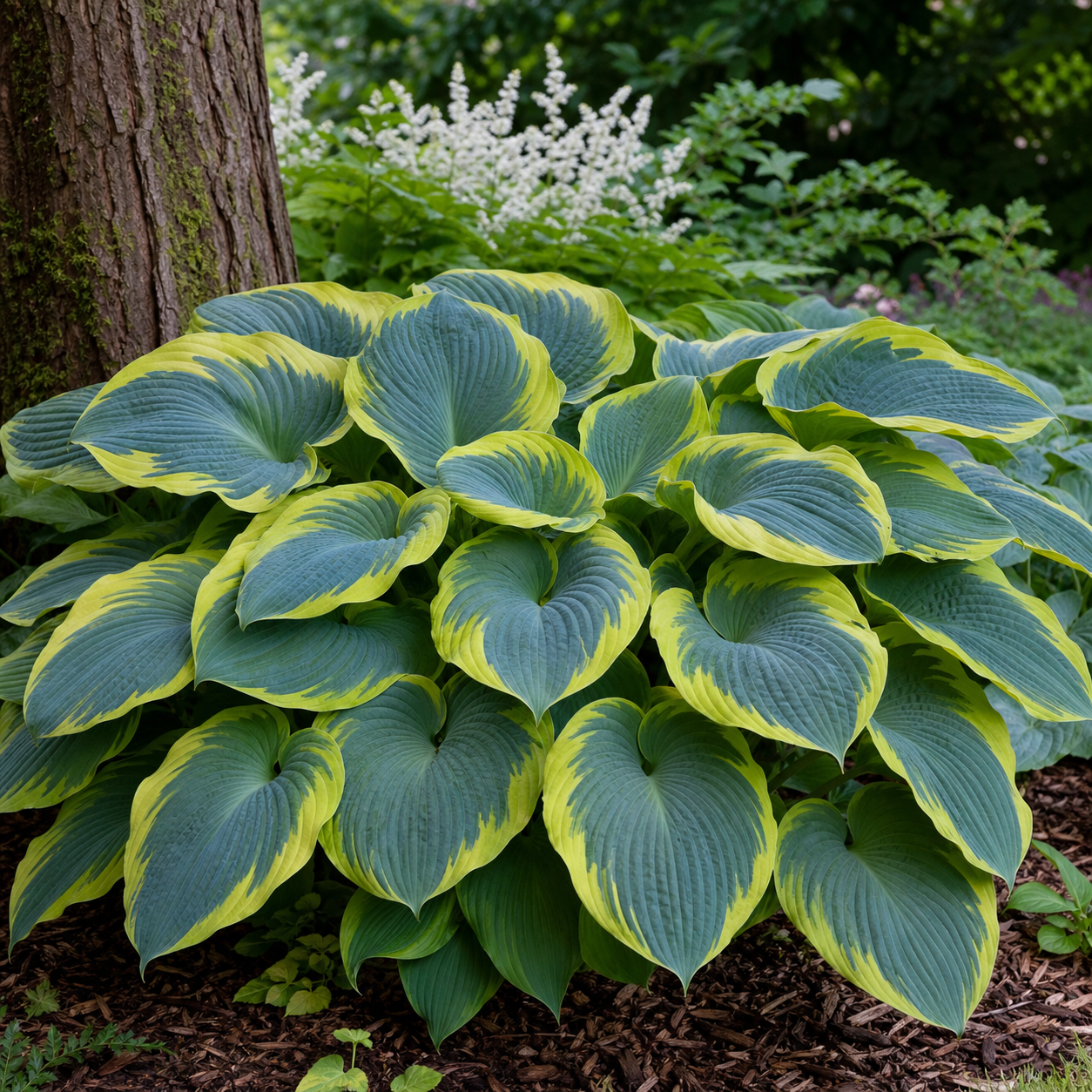
That single lucky mutation became Hosta 'Frances Williams'—the plant that proved hostas could be magnificent centerpiece features, not just green filler. Hunting for sports and propagation required patience, precision, and sharp tools. To this day, making clean divisions without damaging the crown is best done with traditional, razor-sharp Japanese Pruning Shears: https://amzn.to/4bjikyC which honor the historic botanical craftsmanship of the plant's original home.

The Suburban Shade Boom
So, how did we get from a few specialized cultivars to dominating modern backyards? It took a massive shift in how Americans lived.
- The Post-War Suburb Boom (1950s–1960s): As neighborhoods sprang up across the country after WWII, developers planted millions of young trees in brand-new yards. Fast forward twenty years, and those trees grew massive. Yards that were once wide-open, sunny lawns turned into deep, heavy shade. Homeowners desperately needed something beautiful that could thrive without the sun.
- The Birth of the American Hosta Society (1968): A group of passionate collectors and hybridizers realized these plants were the ultimate answer to the new "suburban shade problem." They formed the AHS, which organized the hobby, established official registrations, and turned casual gardeners into fierce collectors.
- The Hybridization Explosion (1970s–1980s): American breeders began aggressively cross-pollinating plants, hunting for extreme traits. They moved past plain green to create intense powdery blues, bright chartreuse golds, heavy puckered textures, and dramatic variegation.
Our country's relationship with land, politics, and the soil has always been deeply intertwined. If you want to dive deeper into how our nation’s history was shaped by a love for agriculture and botany from the very beginning, Founding Gardeners by Andrea Wulf (check price on Amazon here: https://amzn.to/4gUZBNF ] is a masterful read that shows how even our founding fathers were obsessed with domestic plants and landscape design.
The Tissue Culture Revolution
Up until the late 1970s, if a hybridizer found a stunning new hosta, the only way to multiply it was to wait for the plant to grow and physically divide it. A rare new variety could take a decade just to yield a few dozen plants, making them incredibly expensive and out of reach for the everyday gardener.
Then came commercial tissue culture. Scientists figured out how to take a tiny piece of hosta tissue and clone it in a sterile lab, creating thousands of identical plants in a fraction of the time.
This completely revolutionized the market. Suddenly, an exotic-looking variegated hosta wasn't just for wealthy collectors anymore; it could be mass-produced and welcomed into any backyard.
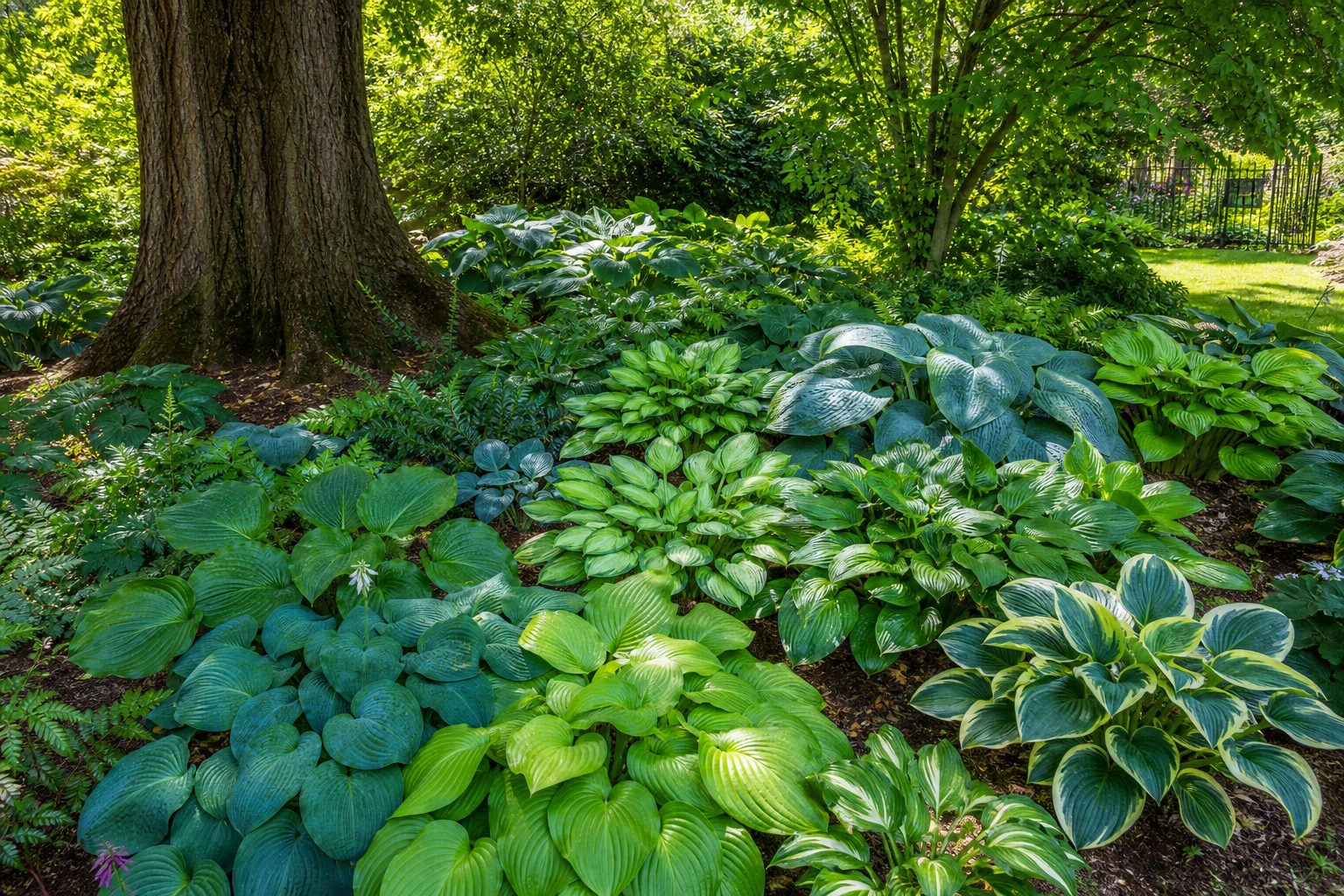
Today, thanks to a long line of adventurous botanists, eagle-eyed gardeners spotting unique sports, and modern cloning, there are thousands of registered cultivars to choose from. It's a beautiful thing to think about when you're out working in the dirt—how a resilient little plant that started out hiding in the rocky ravines of Japan found its true home right here in our American shade gardens.




0 Comments