Affiliate Disclosure: This post contains affiliate links. As an Amazon Associate, if you click through and make a purchase, we may earn a small commission at no extra cost to you. Thank you for supporting our farm and blog!
Welcome to Hosta Park: Meet the Mighty "Gigantosaurus" 🌿🦖
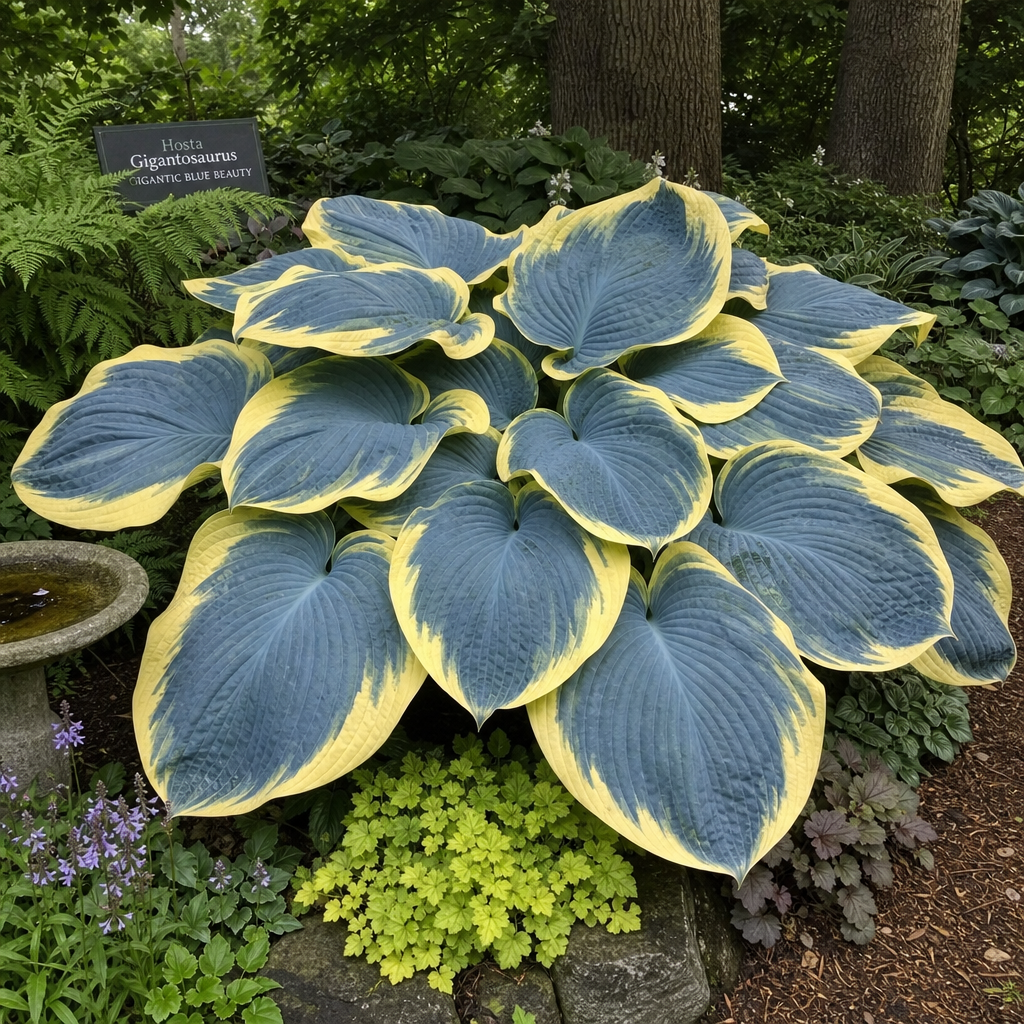
(Queue the dramatic John Williams swelling brass section...)
If you’ve stepped foot on our farm or sent us a message lately, you know there’s one giant shade-lover that everyone can’t stop talking about. Folks walk right up to the desk, look at the foliage, and ask, "Is that plant real, or did it escape from a prehistoric island?"
We aren't kidding when we say it's our absolute most-requested hosta. We get anywhere from 6 to 20 inquiries a week for this big guy! Even though not every inquiry turns into a sale, the demand has been so wild that we've had to restock 'Gigantosaurus' three separate times this season alone. Spared no expense, right?
So, put on your explorer hat, hold onto your butts, and secure your perimeter fences—today we’re diving into everything you need to know about our resident giant: Hosta 'Gigantosaurus'!
The Birth of a Legend: History & Development
Where did this monster come from? It didn't hatch from a piece of amber found in a mine, but it was bred by legendary hybridizer Hans Hansen at Walters Gardens.
Hans crossed a streaked version of the iconic giant 'Empress Wu' with the beloved 'Blueberry Muffin'. The result? A behemoth of a plant that carries the massive stature of its 'Empress Wu' heritage alongside gorgeous color, rippled texturing, and heavy leaf substance. When it came time to name it, nothing else fit—this plant comes roaring out of the ground in early spring like a T-Rex chasing a Jeep.
"Gigantosaurus" Stats at a Glance
Don't let its monstrous name scare you off; life finds a way, and this giant is actually a total sweetheart in the garden. Here is the breakdown:
- Mature Height: 30 to 32 inches tall
- Mature Spread: A whopping 6 to 6.5 feet wide (Give this baby room to roam!)
- Leaf Size & Look: Individual leaves can grow up to 17 inches long and 11 inches wide! They emerge in spring with steely blue centers and wavy, buttery-yellow margins. By midsummer, those margins soften into a striking creamy white.
- Flower Color: Soft, pale lavender blooms appear in early-to-midsummer, held just above the giant canopy of leaves.
- Fragrance: No (it saved all its energy for making huge leaves instead of scent!).
How Long Until It Reaches Full Prehistoric Size?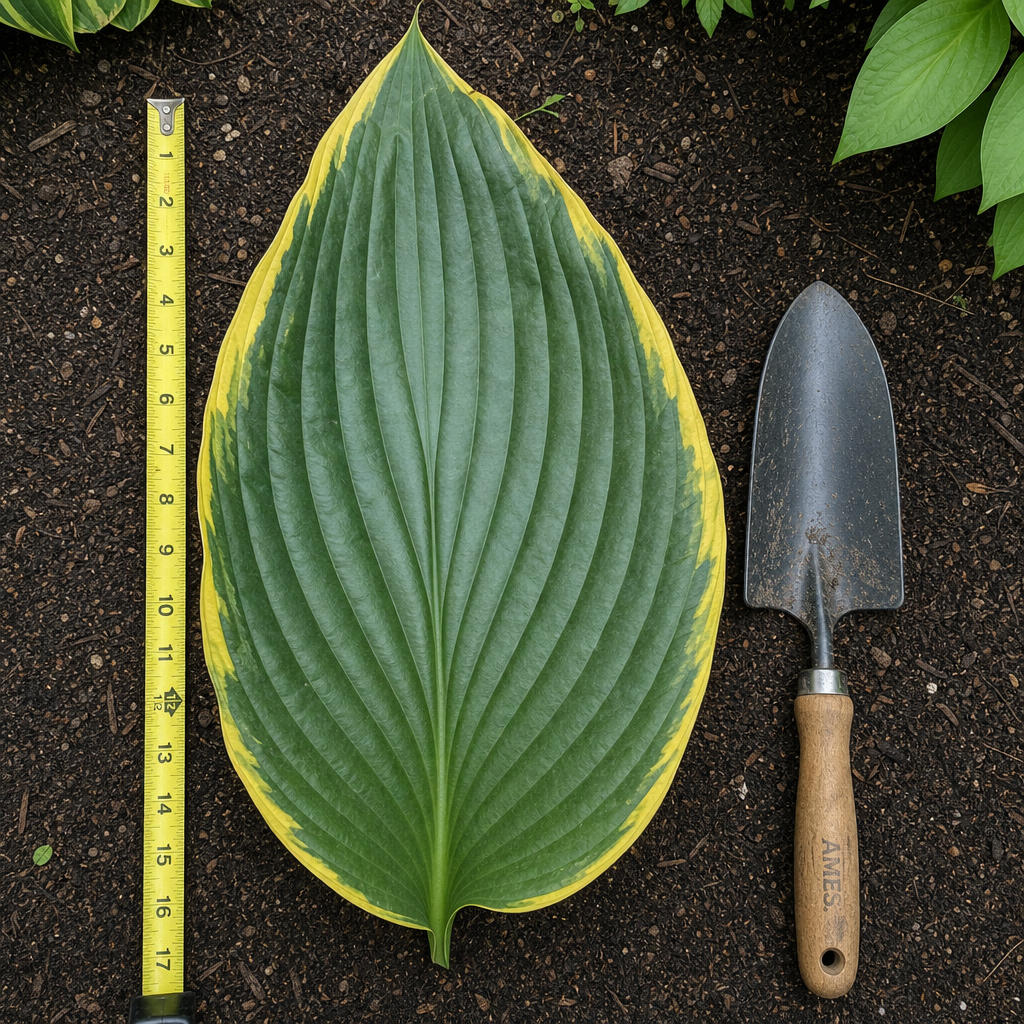
Giant hostas require a little patience—you can't just engineer them in a lab overnight! You might have heard the old gardening adage: "First year they sleep, second year they creep, third year they leap."
For giant cultivars like 'Gigantosaurus', the timeline is a bit longer. Expect it to take 5 to 7 years to reach its full 6-foot-wide, apex-predator maturity.
How to Help It "Leap" Faster:
- Never Let It Go Thirsty (But Keep it Drained!): Hostas are mostly water, and those giant 17-inch leaves need deep, consistent moisture (about 1 to 1.5 inches per week). If you see the water in your birdbath ripple, it's time to water! However, beware of stagnant water! Nobody wants a case of root rot turning their prized dino into mush—that's a disaster worse than a power grid failure. Ensure your planting site has well-draining, rich soil. If you have heavy clay, work in plenty of organic matter or coarse bark so water soaks in deeply without pooling around the crown.
- Feed the Beast: Mix plenty of rich compost into the soil at planting. Every spring, hit it with a high-quality slow-release fertilizer right as the crown wakes up.
- Location, Location, Location: Give it bright morning sun or dappled shade. Direct, harsh afternoon sun will scorch those beautiful blue leaves like an electric fence, while pitch-black deep shade will slow down its growth rate.
Keeping Your Dino Happy: Care & Troubleshooting
'Gigantosaurus' is surprisingly low-maintenance once established, but every jungle has its hazards:
1. Early Spring Frosts (The "Clever Girl" Threat)
Because 'Gigantosaurus' is one of the very first hostas to break ground in early spring, its emerging "dino horns" (pips) are vulnerable to late spring freezes. They hunt in the cold when you least expect it!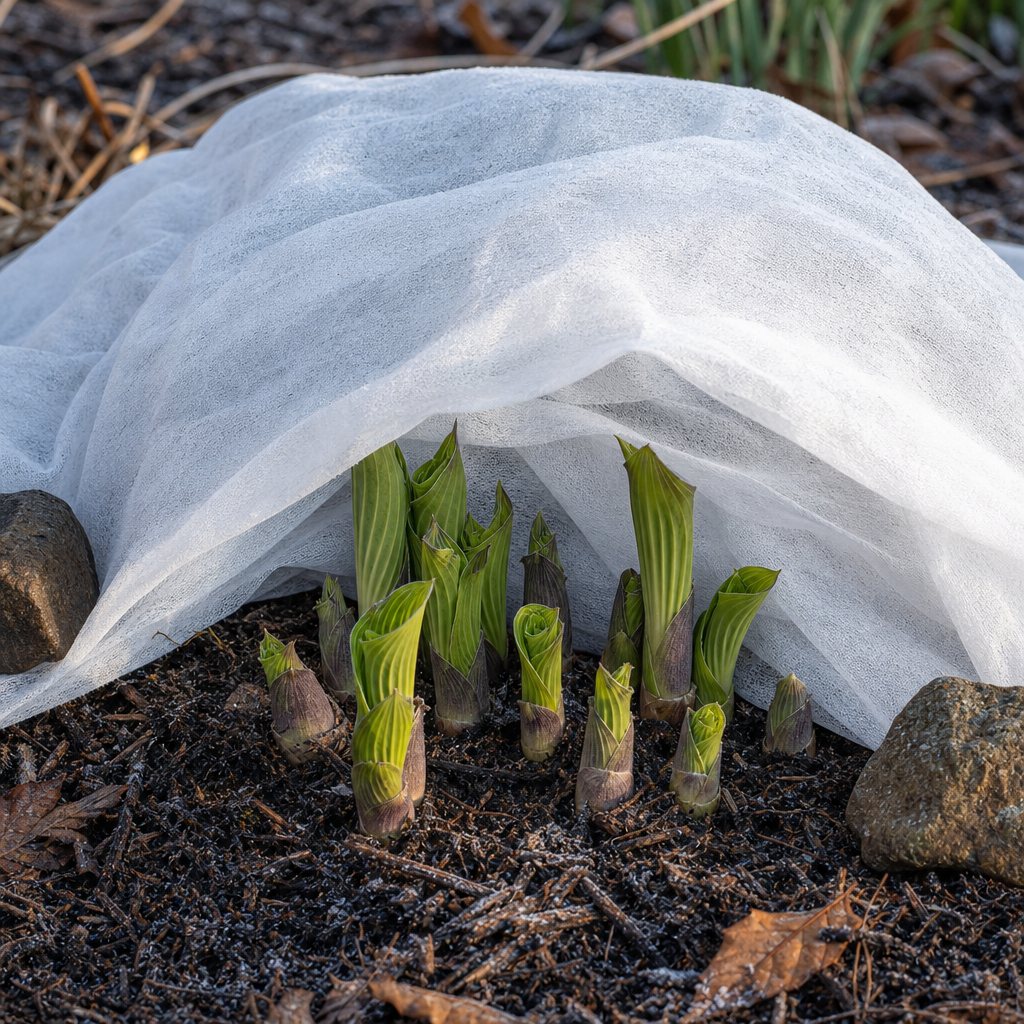
The Fix: Keep a breathable plant blanket handy to cover the emerging crown on nights when temperatures drop below freezing. 👉 Check out this Frost Protection Plant Blanket on Amazon to keep early shoots safe from sudden cold snaps.
2. Slugs and Snails
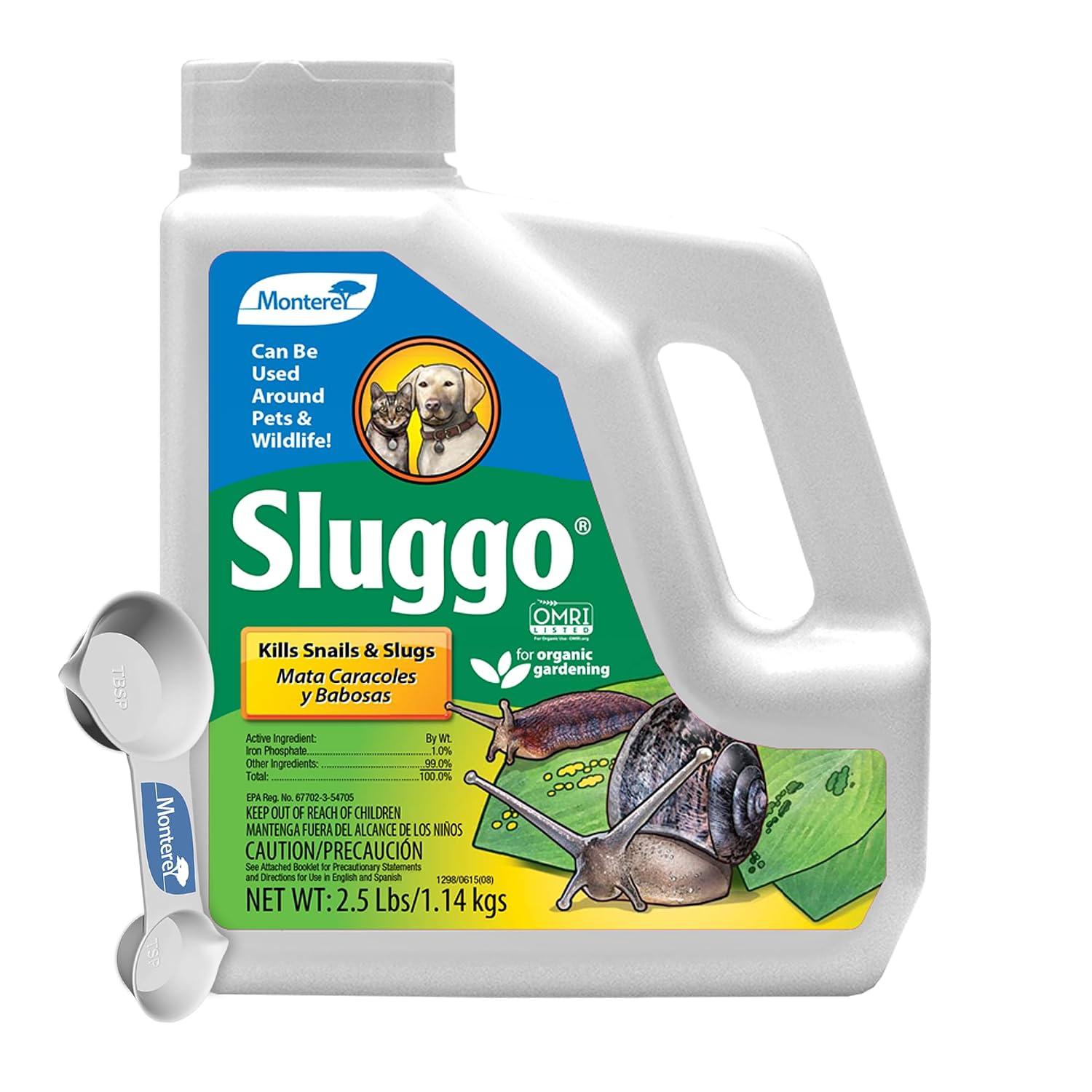
Thanks to its thick, corrugated leaves inherited from its parentage, 'Gigantosaurus' is fairly slug-resistant compared to thin-leaved varieties. However, tender baby leaves can still look like a goat tied to a stake for a hungry slug!
The Fix: Apply organic slug bait around the drip line in early spring before foliage fully unfolds. 👉 We recommend keeping a box of Sluggo Wildlife-Safe Slug Bait on Amazon in your garden shed.
3. Nutrient Deficiencies
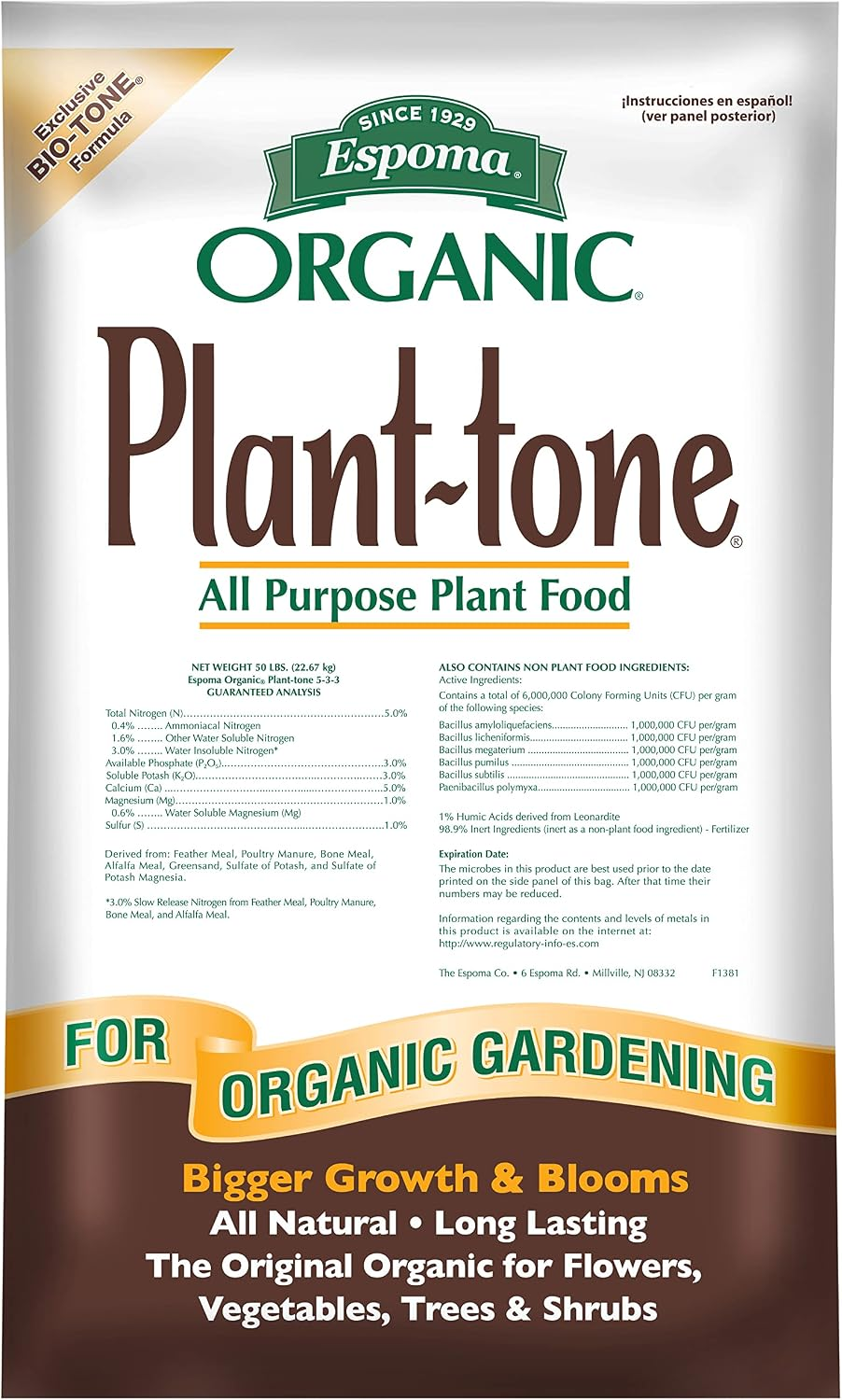
To power those 17-inch leaves, your soil needs to be firing on all cylinders—no cutting corners like Dennis Nedry.
The Fix: Top-dress with organic compost every fall and apply a balanced granular food in early spring. 👉 Grab a bag of Espoma Plant-tone Organic Fertilizer on Amazon to give your hostas the slow-release boost they crave.
Ready to Add a Titan to Your Garden?
If you have a shaded corner that needs a major focal point, 'Gigantosaurus' is ready to reign supreme over your garden landscape. Just don't wait too long to claim yours before this current batch escapes the nursery! Stop by the farm shop this weekend or drop us a message to hold one for you.
Happy gardening, friends—and remember, if a heavy rainstorm rolls in, stay inside the tour vehicle! 🌿🦖




0 Comments