Rooted in Tradition: How Hostas Stole Our Hearts (And How an Obsession Built a Legacy)
By Paul Janowski 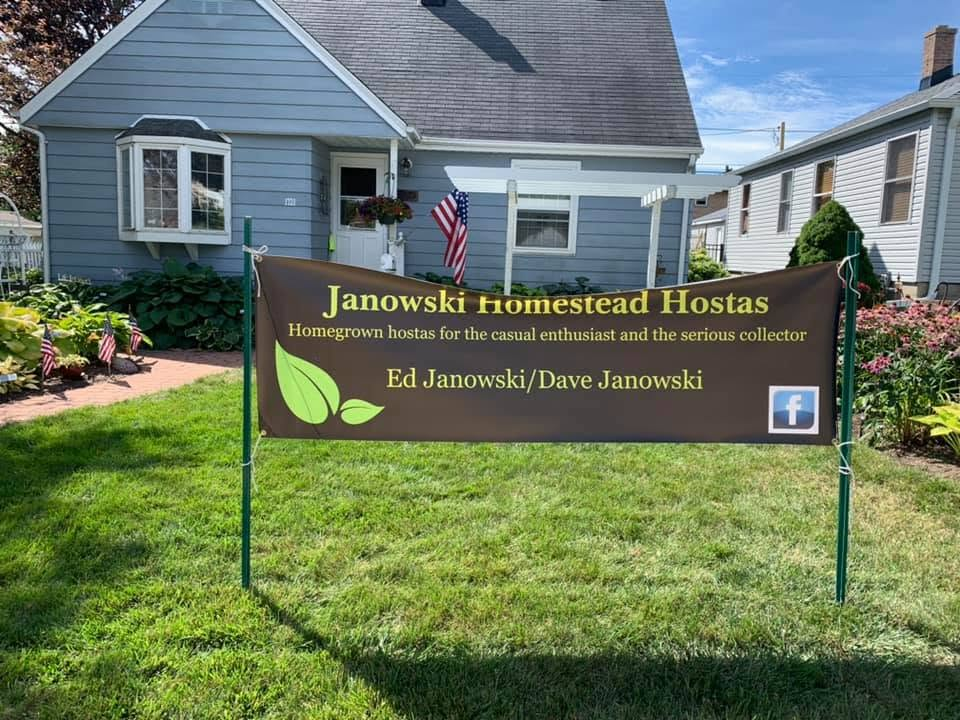
My connection to hostas started long before I ever had a plot of land to call my own. For nearly fifteen years, I watched my mom and dad build and run their hosta business. Growing up in that environment, you don’t just learn the names of plants—you learn their personalities.
To understand where our passion comes from, though, you have to go back to the very beginning. It all started with a simple trip to the store and a handful of potted plants.
The Spark: A South Milwaukee Lawn's Demise
It started with my mom, Sue. One afternoon, she brought home a few hostas from a local store to plant in the garden. My dad, Ed, looked at them with a bit of confusion and asked what on earth they were. When she told him they were hostas, he didn't quite get it—he only knew of maybe two standard varieties. How could these all look so completely different?
Naturally, after Sue made him do the hard work of actually planting them in the ground, Ed’s curiosity got the better of him. He started looking them up. At the time, he was astonished to discover there were around 3,500 to 4,000 registered cultivars. (Fast forward to today, and that number has exploded to well over 10,000 to 12,000 registered hosta varieties, with more created every year!)
That single realization instantly flipped his internal "collector" switch. Game over.
Dad and Mom went headfirst down the hosta rabbit hole. The only problem? They lived on a very modest city lot in good old South Milwaukee, Wisconsin. Space was limited, but Ed was undeterred. Every time he ran out of room for a new variety, he simply went out with a shovel and dug up another swatch of lawn. 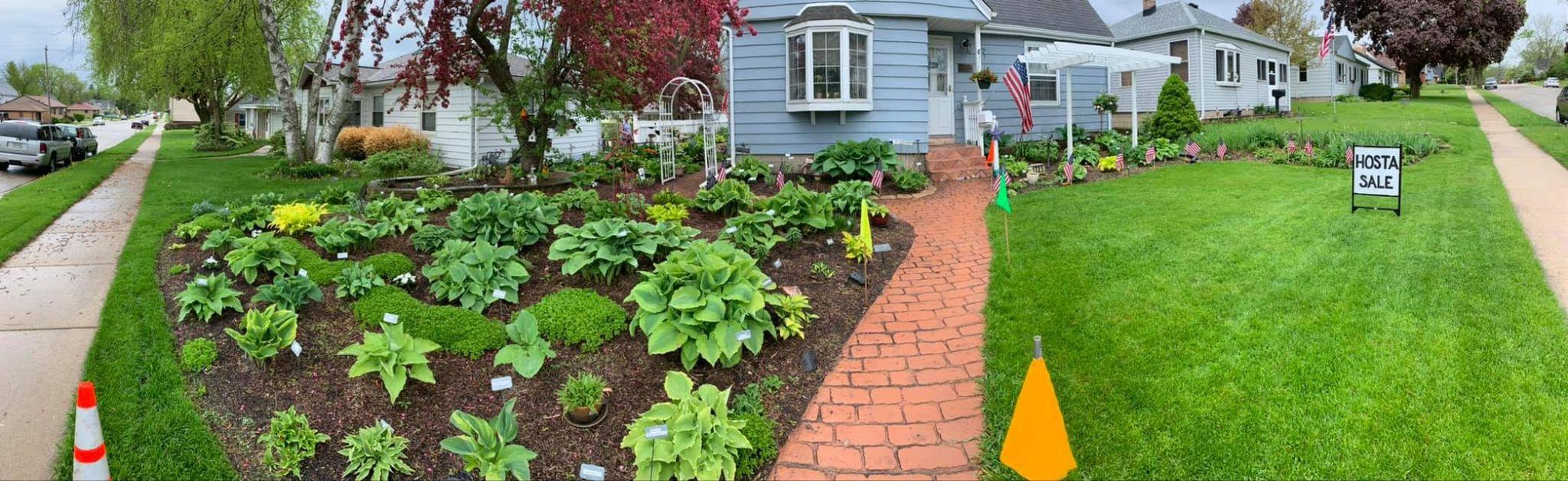
Before long, the grass I had mowed back in the early 1980s had completely disappeared. The yard was almost entirely transformed into lush, sprawling garden beds. Watering was no longer a matter of moving a simple sprinkler around; Dad installed a full underground sprinkler system so he could just "set it and forget it." And ironically, there wasn't much natural shade to speak of back then—it was mostly direct sun all day long, yet those hostas thrived under his care.
Janowski Homestead Hostas is Born
It didn't take long for neighbors and fellow garden enthusiasts to notice. Soon, people were stopping by just to walk through and admire the yard.
My brother Dave started gaining a deep interest in the plants, too. It didn't take long for the three of them—Dad, Mom, and Dave—to start asking the logical question: Why not sell a few hostas to support our hosta habit?
That is how Janowski Homestead Hostas was officially born. 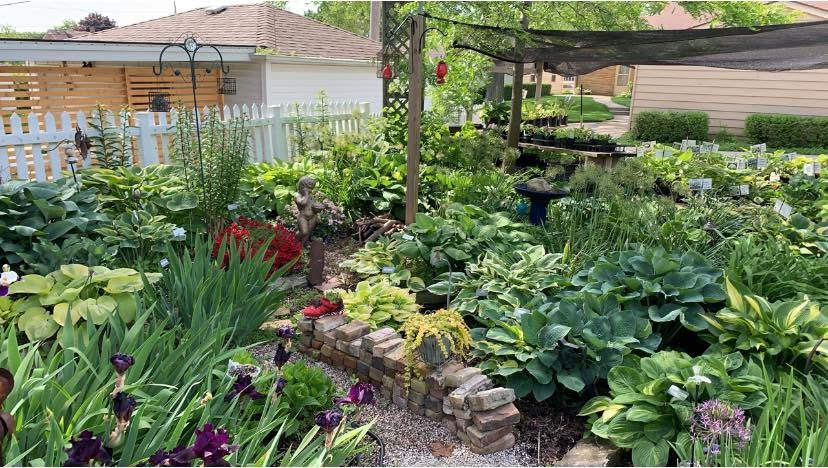
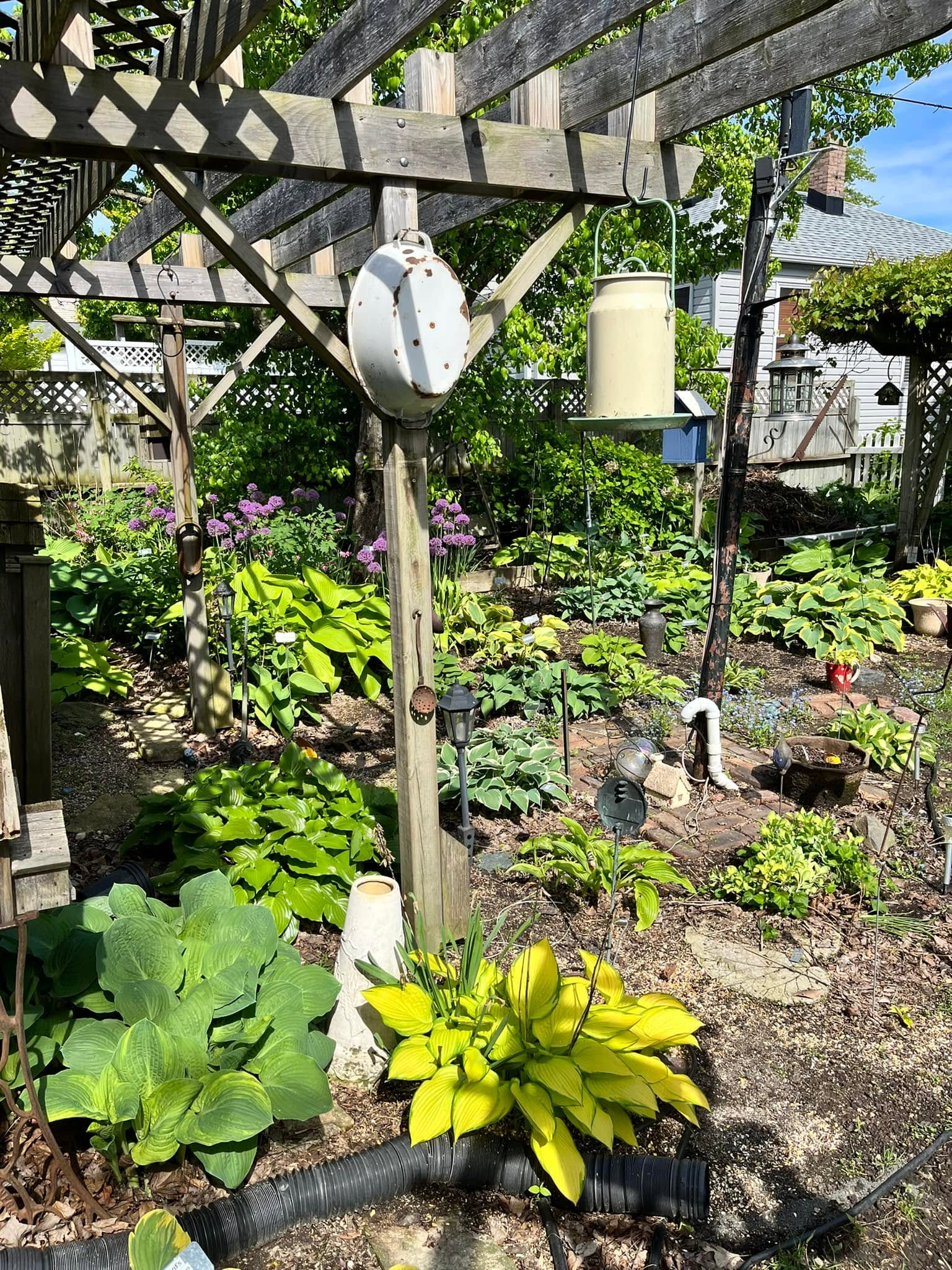
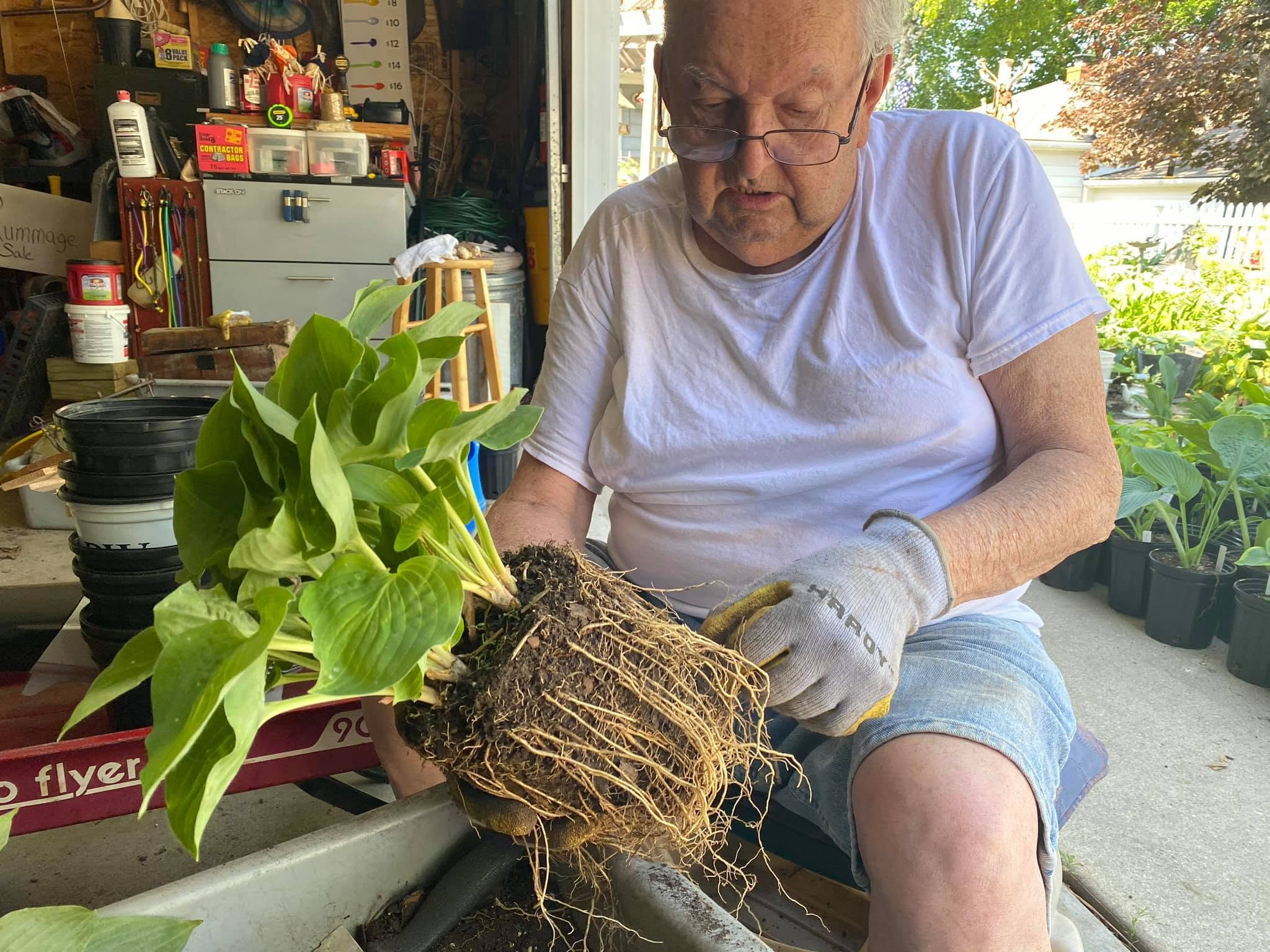
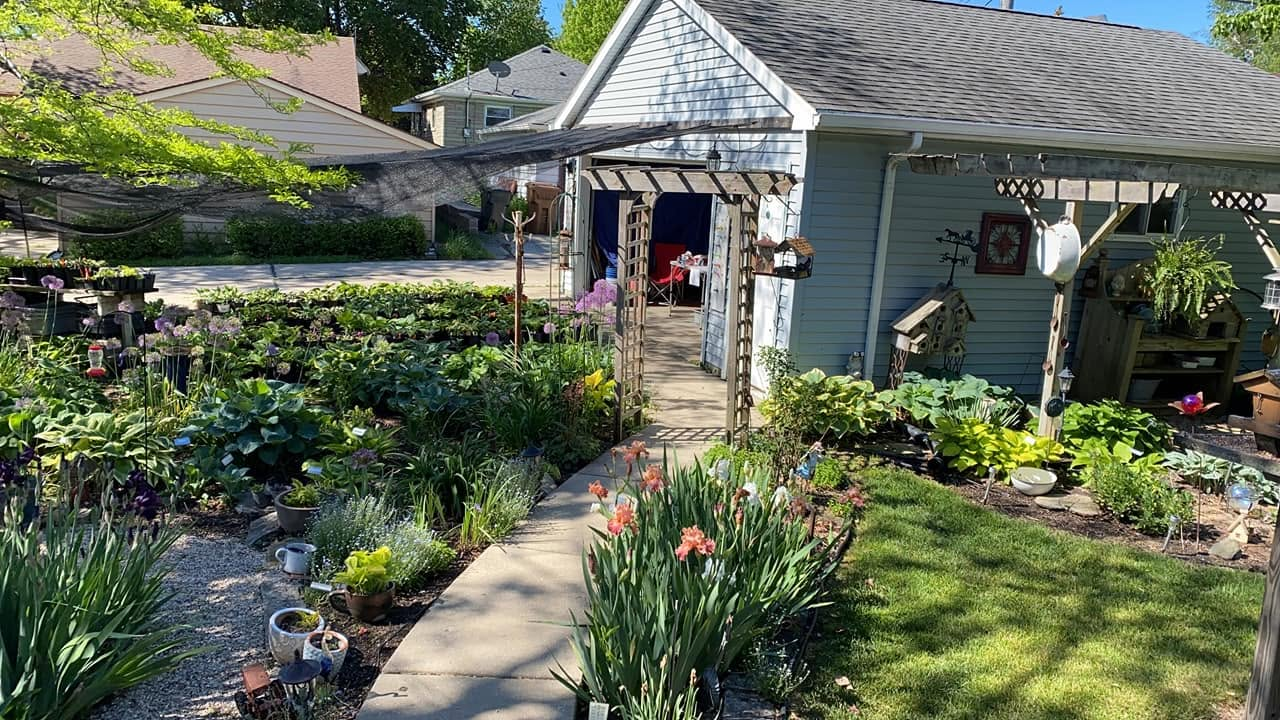
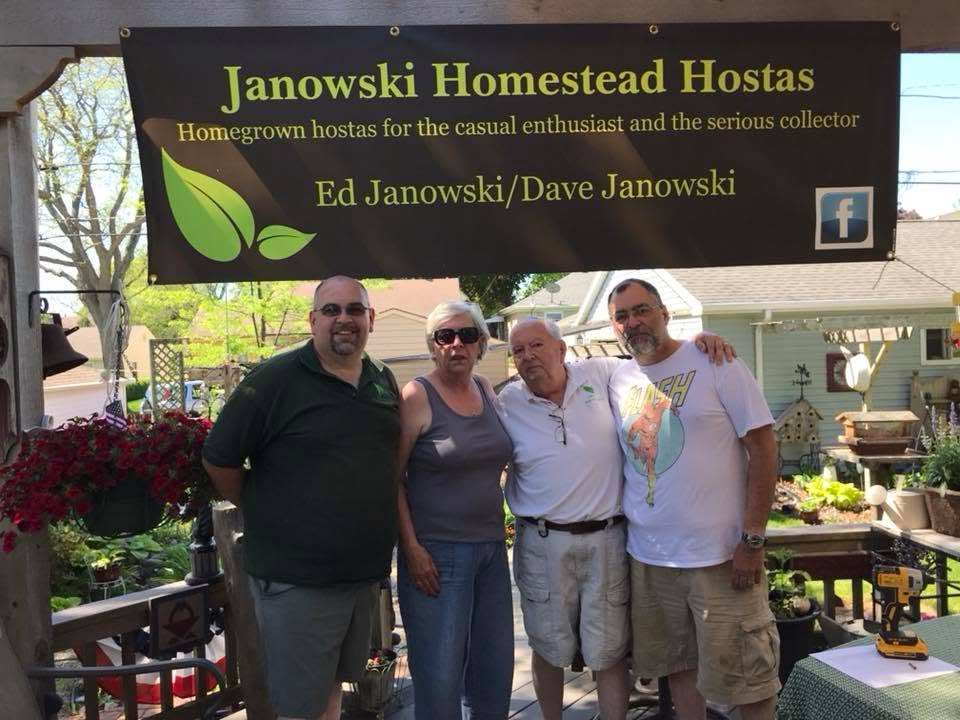
It quickly became a true family enterprise where everyone had a hand in the effort. When Dave eventually relocated to Florida, my sister stepped in, taking over a stake in the business and keeping the momentum going. The grandkids earned their keep by helping out on big selling weekend days. Every year, the business grew bigger and its reputation spread.
It grew so well-known, in fact, that Milwaukee’s own John McGivern—the beloved local Emmy Award-winning actor and host of PBS's Around the Corner with John McGivern—featured Ed and Sue’s gardens on TV! Regional garden tours regularly scheduled stops at the property just to showcase what Dad had built on a standard city lot. 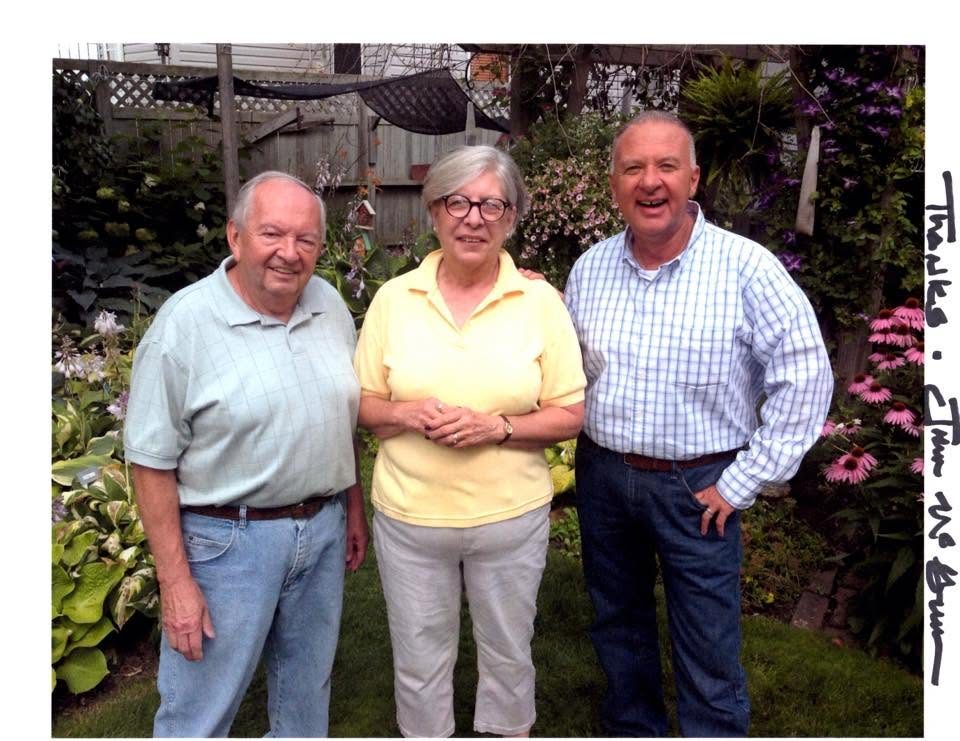
Destined for Hostas: A Double-Barreled Legacy
Looking back, it feels like we never stood a chance—we were completely destined for this.
While my parents were busy transforming their city lot in South Milwaukee, Susie’s family was building their own deep connection to the dirt. Over thirty years ago, her mom, Janzy, was out in her gardens cultivating a fierce love for perennials and establishing her own legendary hosta-sharing habits. Longtime gardeners know the type: the person who couldn't let a visitor leave without a freshly dug division wrapped in a damp paper towel and a plastic grocery bag, complete with strict instructions on where to plant it.
When you combine my dad’s full-blown collector's fever with Janzy’s generous, soil-deep passion for gardening, our current path was essentially carved in stone.
The Next Generation: Bringing the Legacy (and Ed) Home
Eventually, time caught up with us. As Dad’s health began to decline and early dementia set in, and especially after we lost Mom, the family decided it was time to hang up the commercial shingle. But a passion like that doesn't just evaporate. They passed the legacy on to us.
We took their leftover stock, gave the business a fresh new identity—Little Village Hosta Farm—and brought the dream home with us to Menomonee Falls.
For me, continuing this work isn't just about growing plants; it’s a way to stay connected to my mom. Every time I get my hands in the dirt, divide a plant, or watch a new leaf unfurl, I feel that bond with her all over again. She’s the one who brought those first few hostas home and started this whole chain reaction.
Today, we routinely have customers come up to us at sales and say, "We used to go to a place down in South Milwaukee to buy hostas!" We always smile, share the connection, and let them know that Ed is right here living with us now—and that Mom's spirit is in every leaf we grow.
Having the nursery here hasn't just preserved a legacy; it has truly brought Ed back to life. After missing his hostas for the last few years and sitting around with not much to do, getting back into the rhythm of the farm gave him his spark back. He’s built his balance and strength back up—going from using a walker to potting up hostas, greeting old and new customers, bossing me around in the yard, and even shoveling wood chips the other day! Having that daily purpose has kept his health and dementia remarkably stable, proving you’re never too old to get back to what you love.
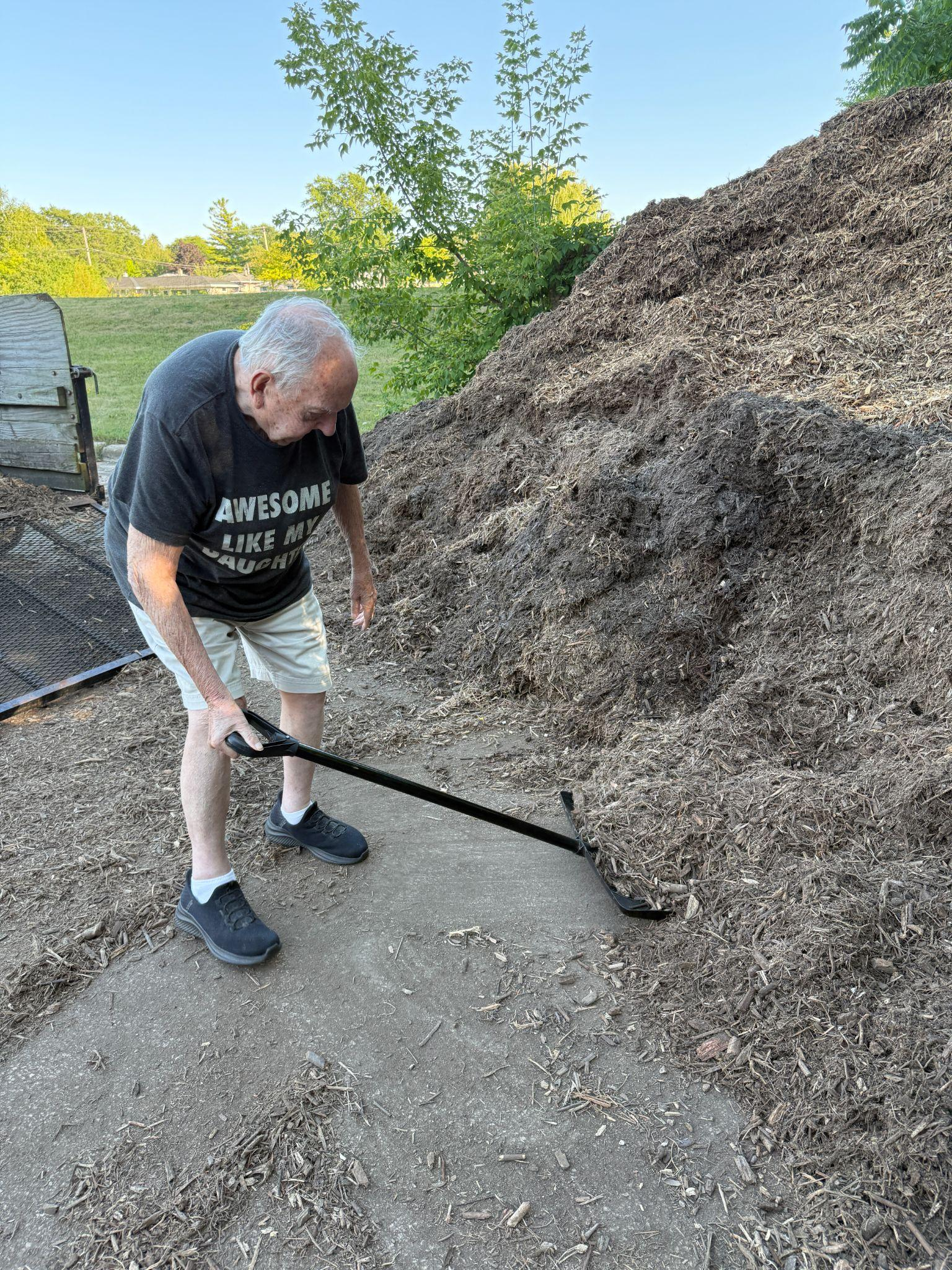
And the journey isn't over. As we prepare to put my parents' home on the market next summer, we are in the middle of a massive rescue operation: carefully digging up Ed and Sue's original plants and bringing them to our grounds. Among them are rare varieties and true "Original Stock" that we want to ensure stay healthy, preserved, and thriving for years to come.
A New Canvas: 5.5 Acres of Shaded Woodlands
Moving the business here brought a whole new world of possibilities. Everything changed when Susie and I settled onto her family's property. We now had 5.5 acres complete with rich, dappled wooded areas and historic garden spaces at our disposal.
Where others might see dense shade as a challenge, we saw an incredible canvas. Standing under the natural canopy of trees, feeling the cool air and seeing the soft light filtering through the branches, I realized we had the ultimate environment for hostas. While these garden areas had gone unattended for years—requiring some serious cleanup of saplings, weeds, and fallen timber in "Janzy’s Garden"—our new home offered the one thing my parents' lot lacked: natural shade. A lot of it. We now have the room to stretch out and give these plants the ultimate home.
Obsess Much? The Photographer's Eye
So why the obsession? Why do hostas make us do what we do?
It’s like your favorite sports team or a favorite band—does it really need a logical reason? Can’t I just answer, "JUST BECAUSE"?
If you seek the original spark—the game or the concert that bit you with the bug—it almost always traces back to one thing: their unmatched palette of colors, textures, and forms.
Being a photographer, hostas are an absolute dream subject. While flowers get all the spotlight in garden photography, hostas offer an unmatched variety of light interaction, dynamic line, texture, and color detail that make them endlessly compelling through a lens. 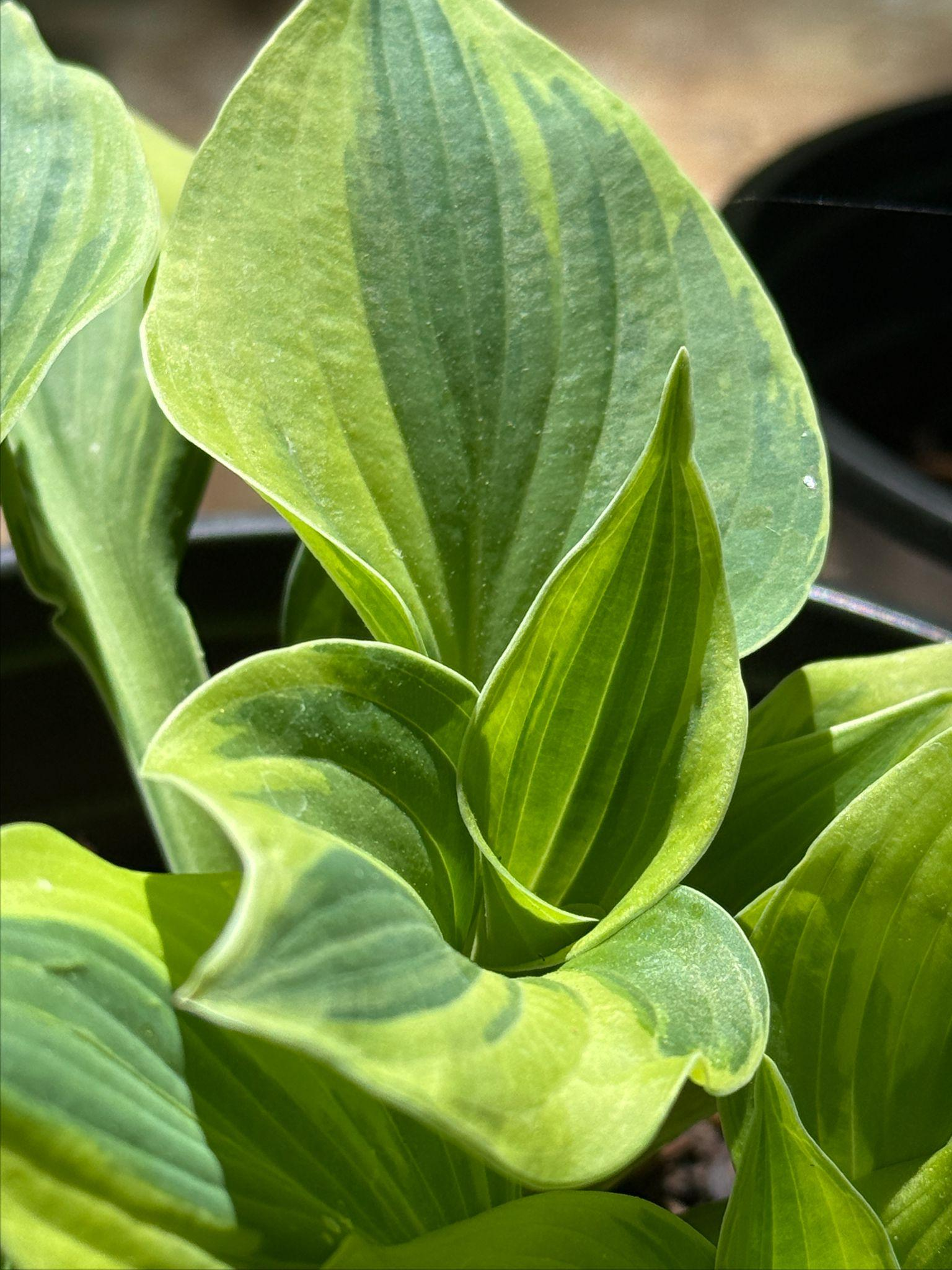
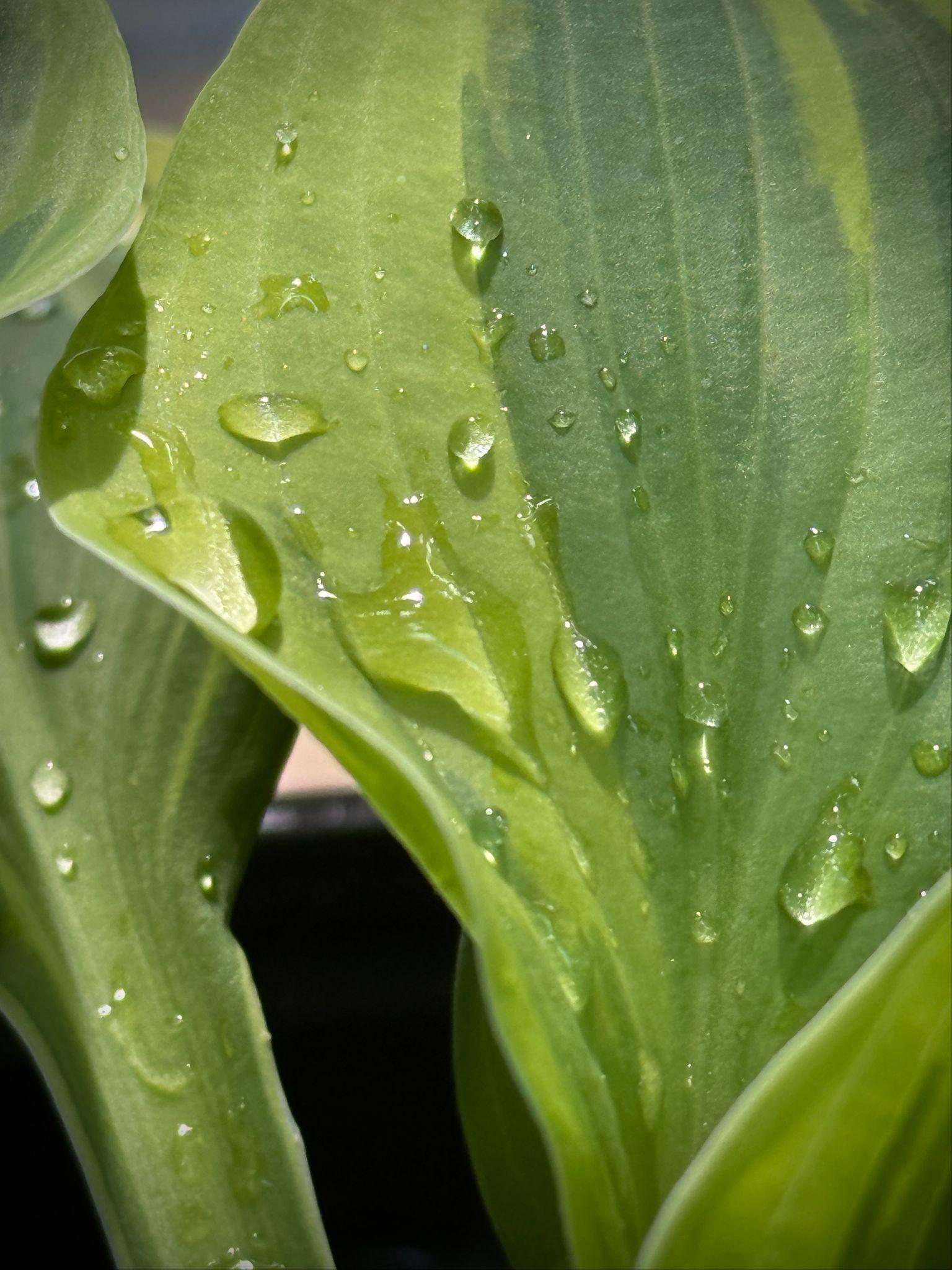
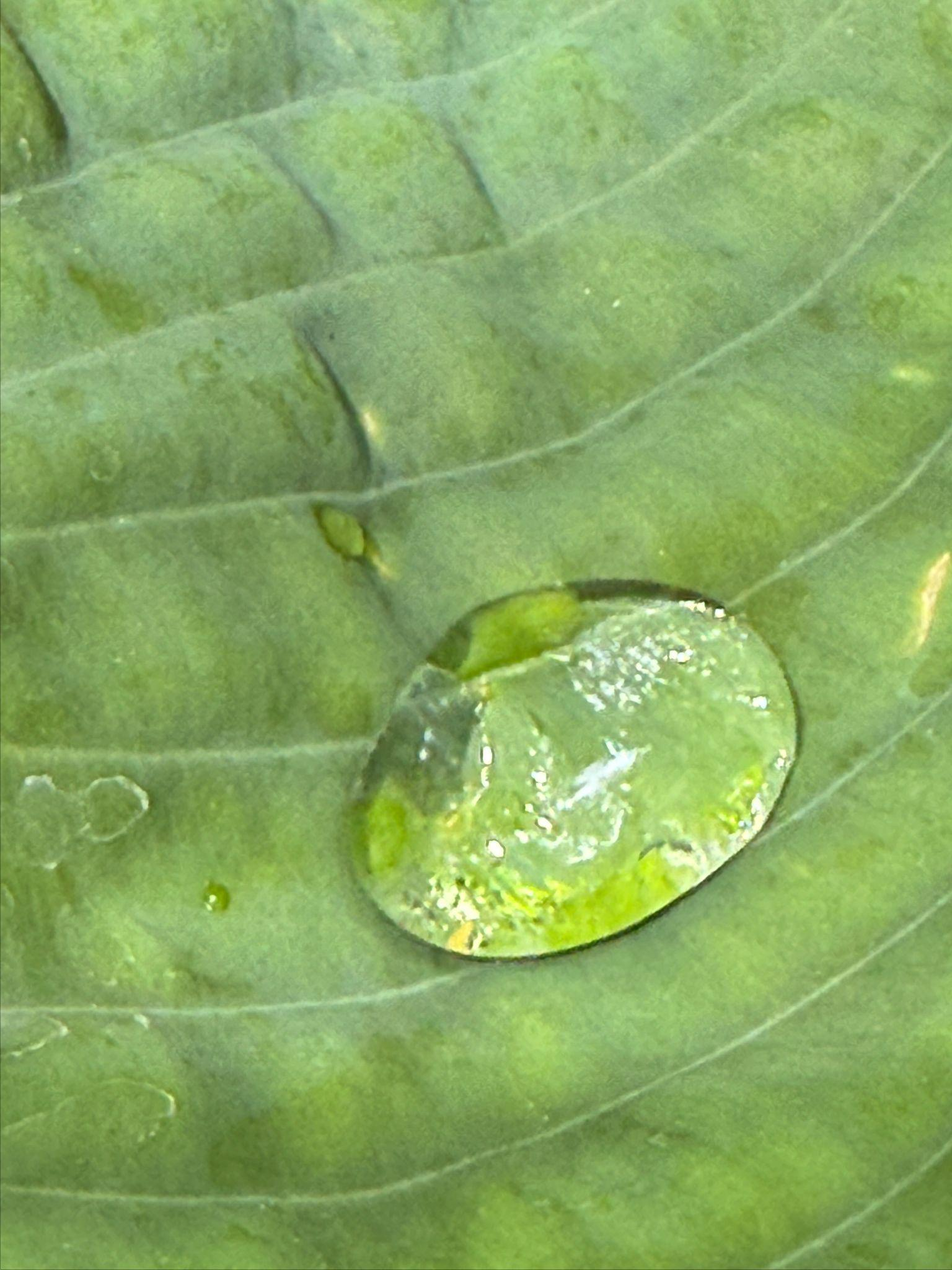
Ask me today what my single favorite variety is, and it's impossible to answer. One week 'Hudson Bay' tops my list, but 'Halcyon' is right there beside it. 'Wiggles and Squiggles' looks fantastic, yet 'Curly Fries' looks phenomenal, too. Today, 'Brother Stefan' looks awesome, and by next week 'Dancing in the Moonlight' will be my new favorite. I guess the diagnosis of being a HOSTA-HOLIC fits quite well here. I love them all.
Why Hostas Are So Addicting to Collect
For anyone who hasn't yet caught the bug, here is why that diverse palette makes hostas so deeply addicting to grow, collect, and share:
- A Living Color Spectrum for the Shade: Hostas prove shade gardens don't have to be plain green. Their foliage spans powdery glaucous blues ('Blue Angel'), luminous backlit chartreuses ('Sun Power'), striking contrasting margins ('Patriot'), and modern varieties with intense crimson or purple petioles.
- Textures You Can Feel with Your Eyes: From deeply puckered, quilted "seersucker" leaves that catch afternoon shadows to glossy, polished finishes and scalloped, ruffled edges that add movement to a quiet border.
- Sculptural Sizes & Architecture: Scale ranges from tiny, pocket-sized miniatures like 'Blue Mouse Ears' to massive architectural giants with leaves broader than a dinner plate.
- The Collector's "Paint Box" Effect: Planting hostas together creates an instant painterly landscape. Placing a smoky blue hosta directly beside a bright lime cultivar makes both plants pop twice as hard.
Every new variety you discover acts like a fresh color on a painter's palette—igniting that endless, familiar desire to find just one more unique leaf to complete the picture.
Tending to the Past, Growing the Future
Looking back at where this all began, I realize this nursery has become so much more than a business for us. Through these hostas, both Susie and I are keeping the spirits of our mothers alive, while giving Ed a second chapter right alongside us.
When I’m out in the shade dividing stock, watching new growth emerge, or carefully transplanting the varieties my mom brought home decades ago, I feel connected to her all over again. And as Susie works tirelessly to clear out the brush, tame the overgrown saplings, and restore Janzy’s Garden to its former glory, she’s doing the exact same thing for hers.
What started with Sue bringing home a couple of mysterious plants, Ed taking a shovel to a South Milwaukee lawn, and Janzy passing out divisions in plastic bags thirty years ago has come full circle. We’re not just saving original stock or clearing acreage—we are honoring the people who taught us how to love the land.
We’re proud to carry that joint torch, preserve those original plants, keep Ed right where he belongs in the dirty pots and wood chips, and watch both of our family legacies grow right here in our shaded woods. 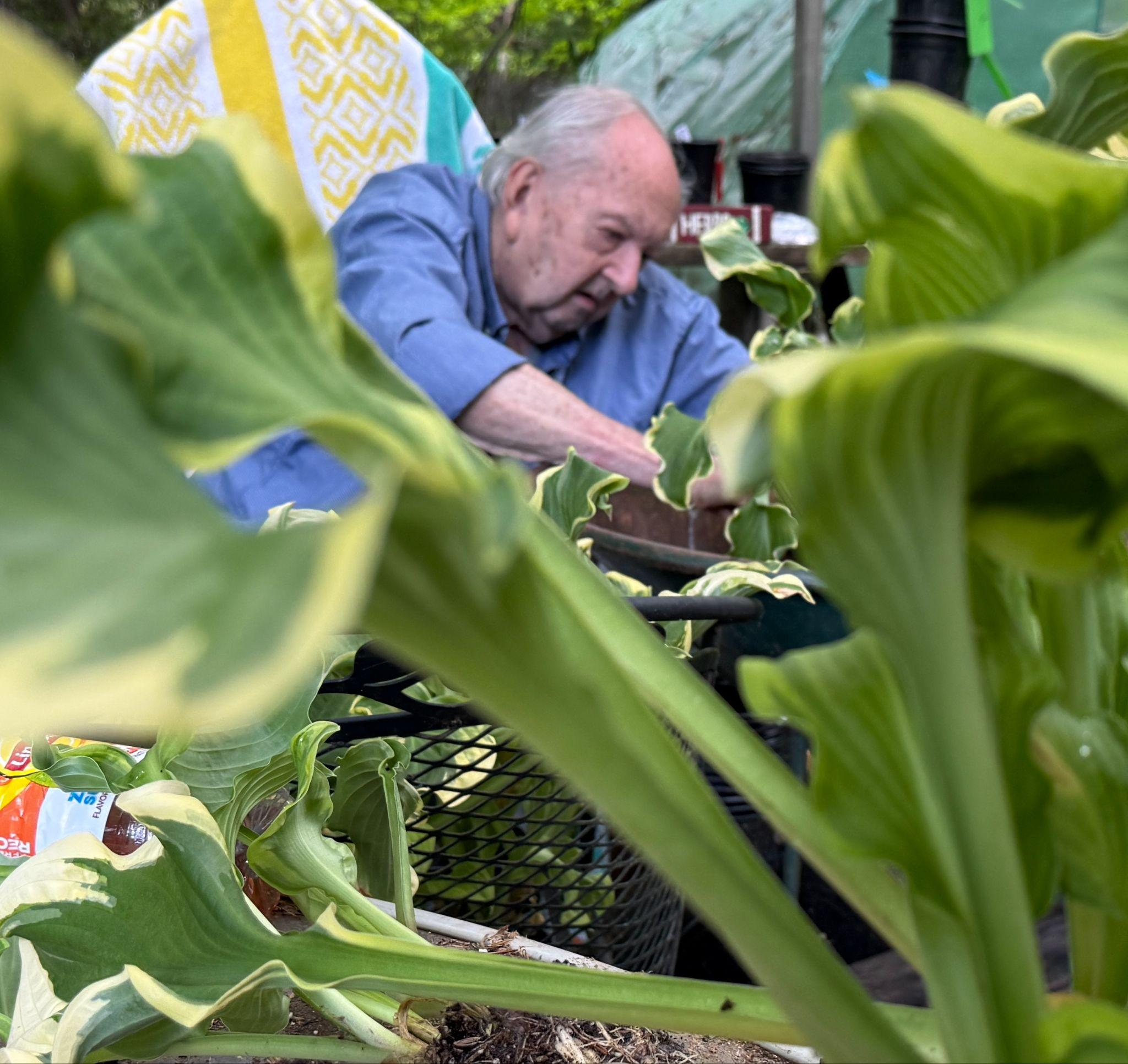


0 Comments