The Cost of Instant Gratification: Finding Joy in the Slow Unfurling
This year I’ve had several customers message me with the exact same request. They were looking for fully grown, mature hostas. They didn't want the small ones, the ones carefully nestled in their trade gallon pots, just beginning their journey. They wanted the grand, sweeping leaves right now. They wanted the finished product, the instant transformation for their yards, with no patience to sit back, nurture them, and simply watch them grow.
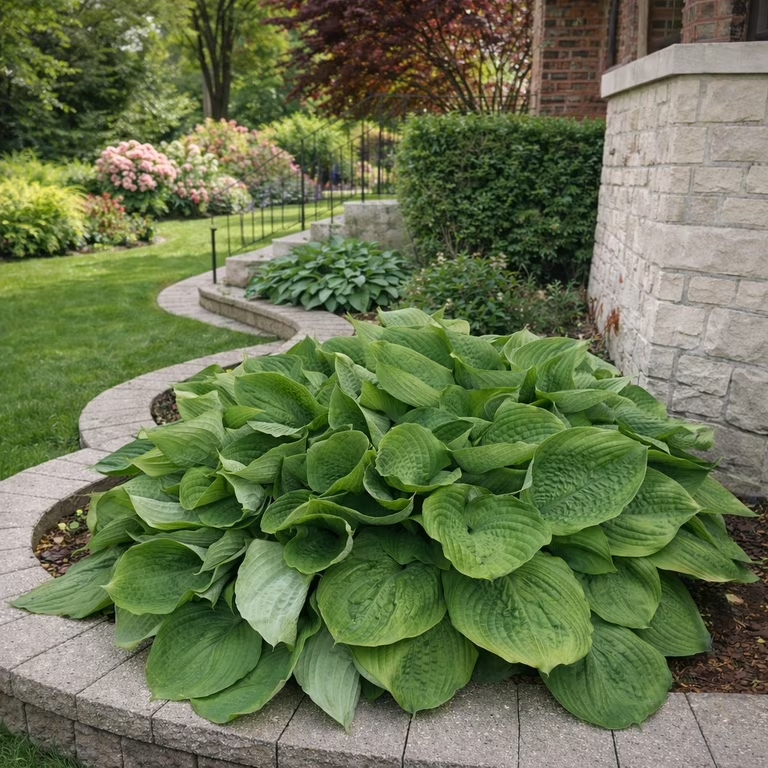
I understood their eagerness. We all love the sight of a magnificent, fully established shade bed. As they expressed their disappointment that in fact, I do not have fully grown hostas, it got me thinking about how much our gardening habits mirror the way we live our everyday lives.
We have become an instant gratification society, wanting to skip the middle chapters of just about everything. We see this everywhere, from how we feed ourselves to how we consume culture.
Think about how we consume tv shows. In the old days, we’d wait for the fall shows to begin. Once per week a new episode came on. Everyone watched it at the same time and the next day at work, you’d talk about how hysterical Friends was, or how dramatic the ER episode was. We had to wait an entire week for the next episode. All of us viewing it at the same time connected us in such a great way…it was a constant source of discussion. We’d experience the cliffhangers together. We’d wait together through a very long summer for the new season to start.

Now, a streaming service drops a new season all at once. If we’re addicted enough, we finish the entire series in a single weekend. But we don’t dare talk about it with anyone because we don’t want to give away any spoilers. The shared anticipation is gone, replaced by a solitary race to the finish line. We’ve been conditioned to believe that the value of something is only realized when it is complete, finished, and perfect.
We do it with our food, too. We’ve traded the slow, aromatic magic of a simmering pot on the stove for the 30-second microwave beep or the instantaneous arrival of delivery apps. We want the taste without the kitchen prep, forgetting that the chopping, stirring, and tasting along the way is half the pleasure of the meal.
We even do it with our personal goals and hobbies. We buy the expensive camera and expect to be professional photographers by Tuesday. We start a workout routine and get frustrated when our bodies don't transform after a week. We want the mastery, but we loathe the apprenticeship.
When we binge a show, order takeout, or buy a fully grown plant, we are trying to skip straight to the finale. But a perennial garden refuses to play by those rules. It doesn't offer shortcuts or spoilers. Perennials demand that we develop a muscle many of us have let atrophy: patience.
When those customers look at a young plant and see only what it isn't yet, they miss the entire magic of the process. They miss the early spring days when the pips—those sharp, green cones—first break through the crust of the earth like little promises. Look at how tightly furled they are when they emerge. They don't rush. They take weeks to open, leaf by leaf, showing their variegation and deep ridges only when the time is right. There is a quiet, breathless beauty in a hosta that is only half-open, caught in the act of becoming.
When we try to bypass that waiting period, we aren't just skipping the effort—we are wishing away the majority of the story.
Think about how this plays out in our lives outside the garden beds. We do the exact same thing with our time. We find ourselves constantly looking forward, anticipating the next big event. We fixate on a coming vacation, a family wedding, a holiday, or a special milestone. We look so far ahead that we treat the days and weeks leading up to it as a countdown—something to be gotten through, endured, or pushed past. We tell ourselves, "If I can just get through this month, then I can finally relax."
And then what happens?
The event arrives, and it passes in the absolute blink of an eye. The weekend flies by, the party ends, the vacation is over, and we are left standing in the quiet aftermath. Suddenly, we look back and realize that we wasted the entire journey leading up to it. The days or weeks we spent waiting are gone, and we didn't find a single ounce of enjoyment in them because our minds were already living in the future.
The time we spend anticipating isn't a blank space on the calendar. It is our life. The ordinary, quiet days of watering, weeding, and waiting are the actual substance of our days. The Tuesday mornings, the rainy Thursday afternoons, the quiet moments folding laundry or driving to work—these aren't the filler episodes of our lives. They are our lives.

If we only allow ourselves to feel joy during the "peak blooms" of our lives—the big events and the fully mature moments—we are choosing to live in a state of constant lack. We turn the act of waiting into a chore rather than a privilege.
To plant a perennial is to make peace with time. It is a daily reminder to drop our shoulders, slow our breath, and find contentment in the slow unfurling. Let’s stop wishing away our weeks for the sake of a single weekend. Let's learn to love our gardens, and our lives, exactly as they are today—young, growing, and beautifully incomplete.


0 Comments