Janzy’s Garden: Old Meets New
Continue the journey with us. I’m planning ahead. I’m planning the fun part. The part where the weeds are gone, the saplings have been removed and the soil has been made anew. We will have replanted my mom’s original flowers, and lots of space will remain as a blank canvas, waiting to be painted. It’s hard not to. I don’t really want to think about all the work that it will take to get us to a blank canvas, but rather focus on the flip side…the motivational side.
Of course our tastes and interests will join Mom’s legacy plants to create the new look. Here is what I’m thinking of layering across my canvas to create a palette of colors:
Our own touches:
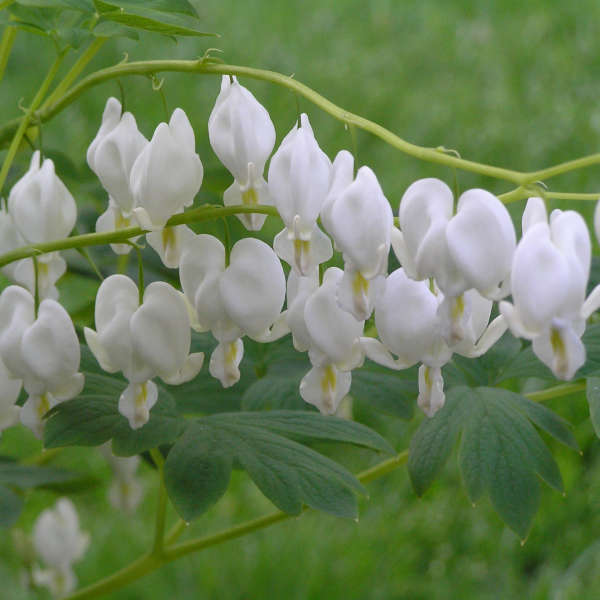
- Bleeding hearts
Janzy had bleeding hearts, but they have all died. There may be some bleeding hearts left in other gardens in the yard, so we will check those first. If we find any bleeding heart treasures, we’ll transplant them to Janzy's Garden. If not, we’ll plant new ones. This year, Little Village Hosta Farm has both white and pink bleeding hearts coming in.
Photo Courtesy of Walter’s Gardens:
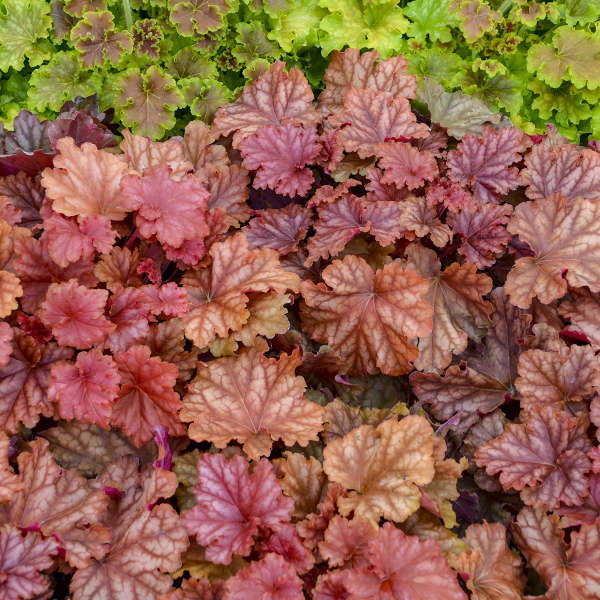
- Coral Bells
These low-maintenance perennials are grown for their amazing colors! They do well in shaded areas, so they will do well in these woodland beds. They are semi-perennial which means they hang onto their leaves for a chunk of the winter. In spring the old leaves will pop off and new growth emerges. They come in dozens of colors! One customer created a rainbow garden out of Coral Bells.
Photo Courtesy of Walter’s Gardens:
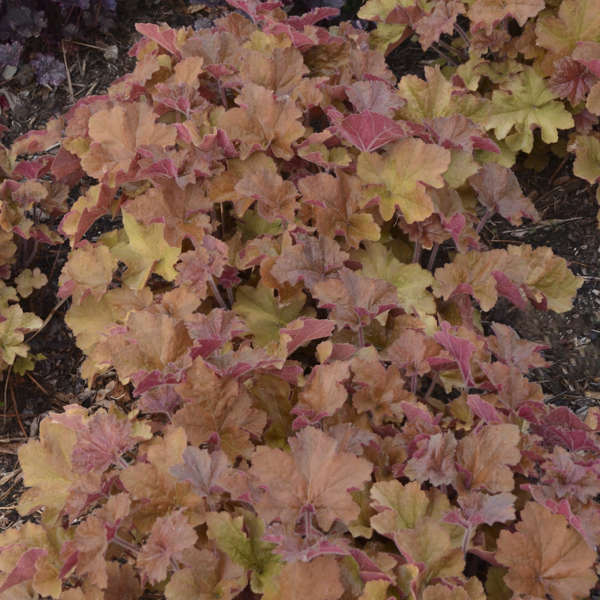
Photo Courtesy of Walter’s Gardens:
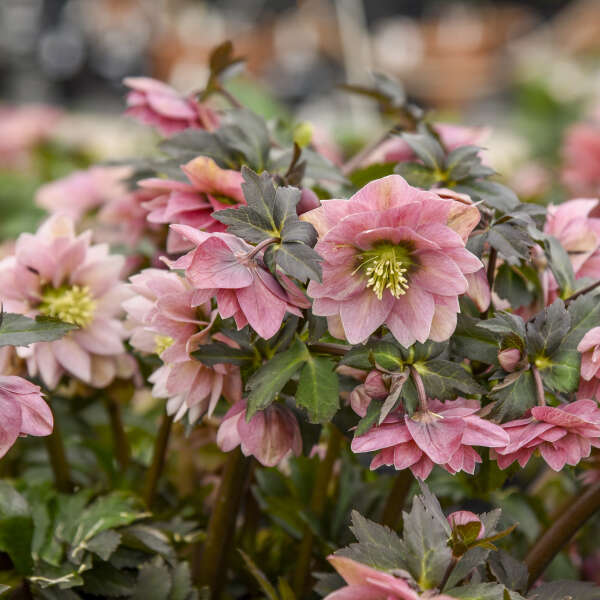
- Lenton Rose
These are absolutely gorgeous. We just discovered them last year. We are getting some of the Wedding Series delivered from Walter’s Garden in a week or two. Last year we ordered Confetti Cake (first photo) from our supplier, Walter’s Gardens, and they sold out in a week to our customers! Some will go to our rehabilitated garden, and the rest will be sold at Little Village Hosta Farm. Helloborus prefers mostly shade and tolerates full shade. They like well drained loamy soil and are drought tolerant once they’ve established their roots. They actually start blooming in late winter! Timing is from February-early April, right alongside your daffodils. They are also deer and rabbit resistant! A plus for grower! These spread a little, but also reseed themselves.
Photo Courtesy of Walter’s Gardens:
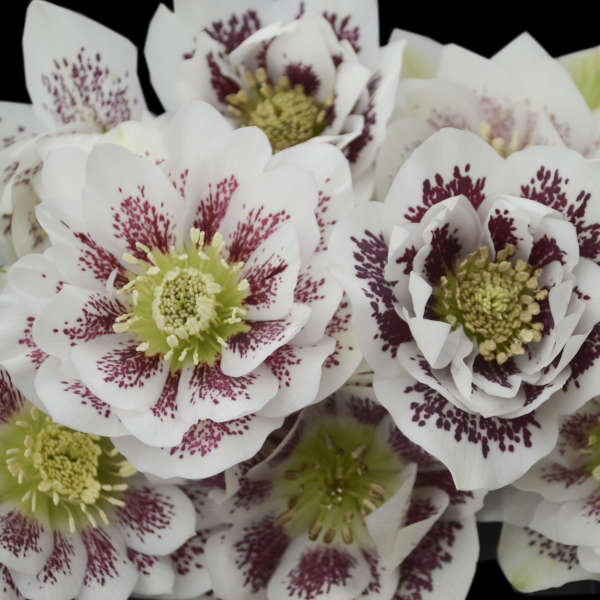
Photo Courtesy of Walter’s Gardens:
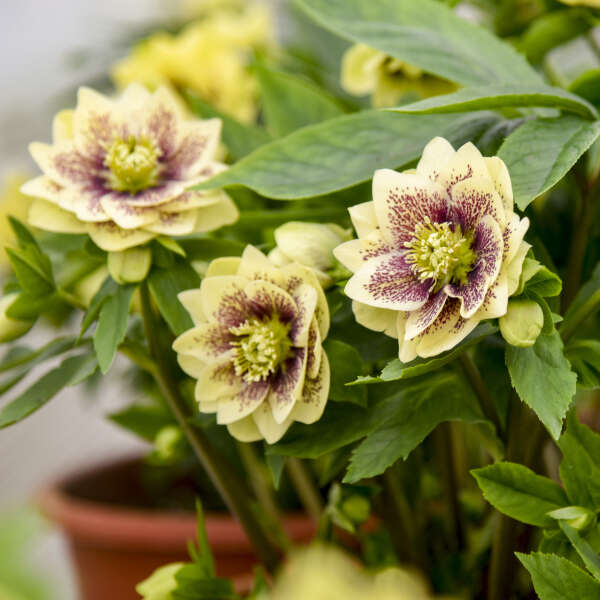
Photo Courtesy of Walter’s Gardens:
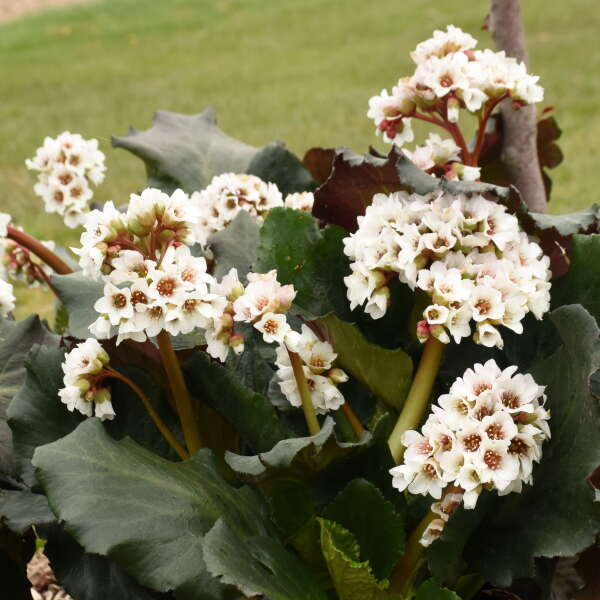
- Berganias or Pigsqueak
We also just discovered these last year! Also called a “Winter Geranium.” It’s crazy Pigsqueak name comes from the sound it makes when you rub your fingers together along a waxy leaf. I hear these are tough as nails and will grow in any garden. That’s good because this garden has a lot of heavy shade, and I need some color!
Photo Courtesy of Walter’s Gardens:
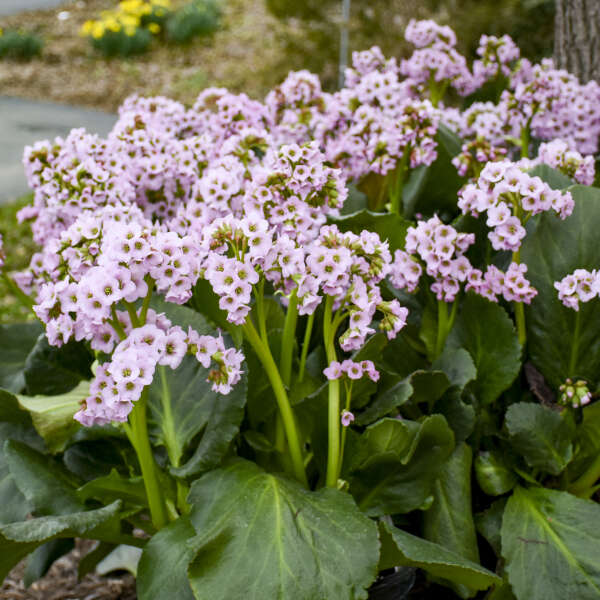
Photo Courtesy of Walter’s Gardens:
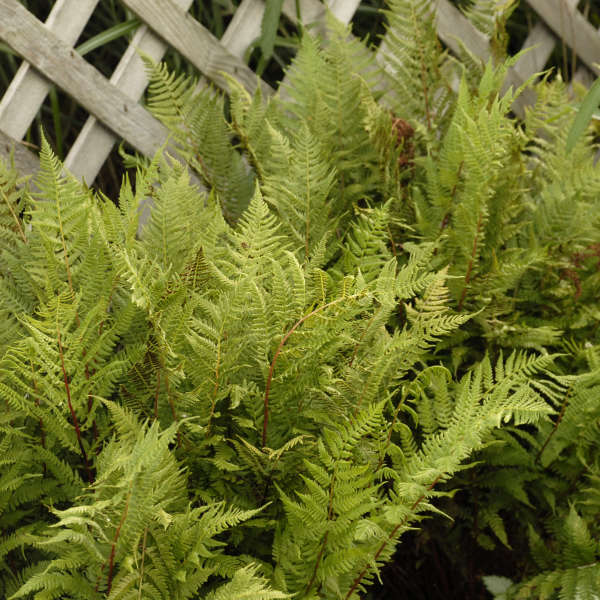
- Ferns
My mother loved ferns. Watching them as they emerge in their snail like sprouts and unfurl into grand showstoppers in the garden. They all get a little crispy by late August, but we are hoping the heavy shade in this area will give them the much needed respite from the sun that is needed to get them to last throughout the summer months. We still have some left in other parts of the yard. We may transplant a few and add some new types.
We are getting a few different ferns into Little Village this year to sell. I’m thinking maybe Godzilla? Or Lady in Red?
Photo Courtesy of Walter’s Gardens:

Photo Courtesy of Walter’s Gardens:
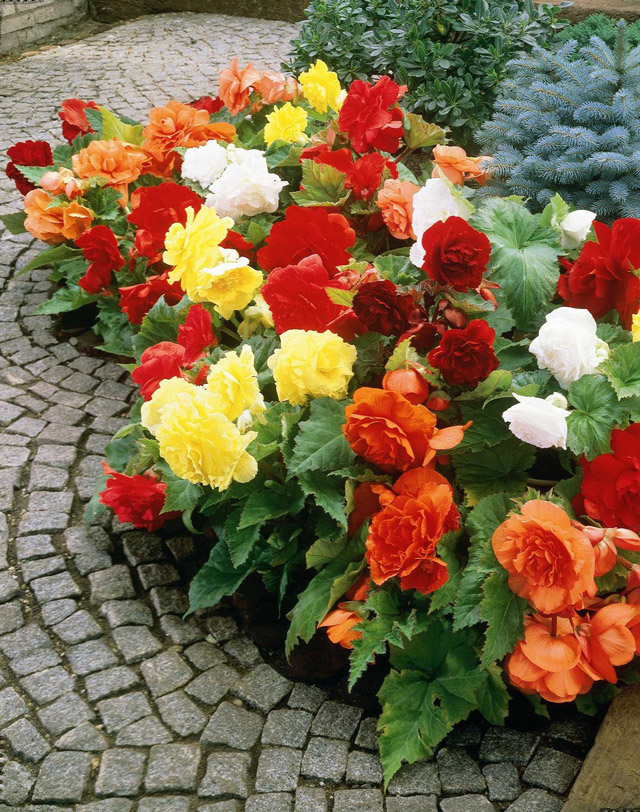
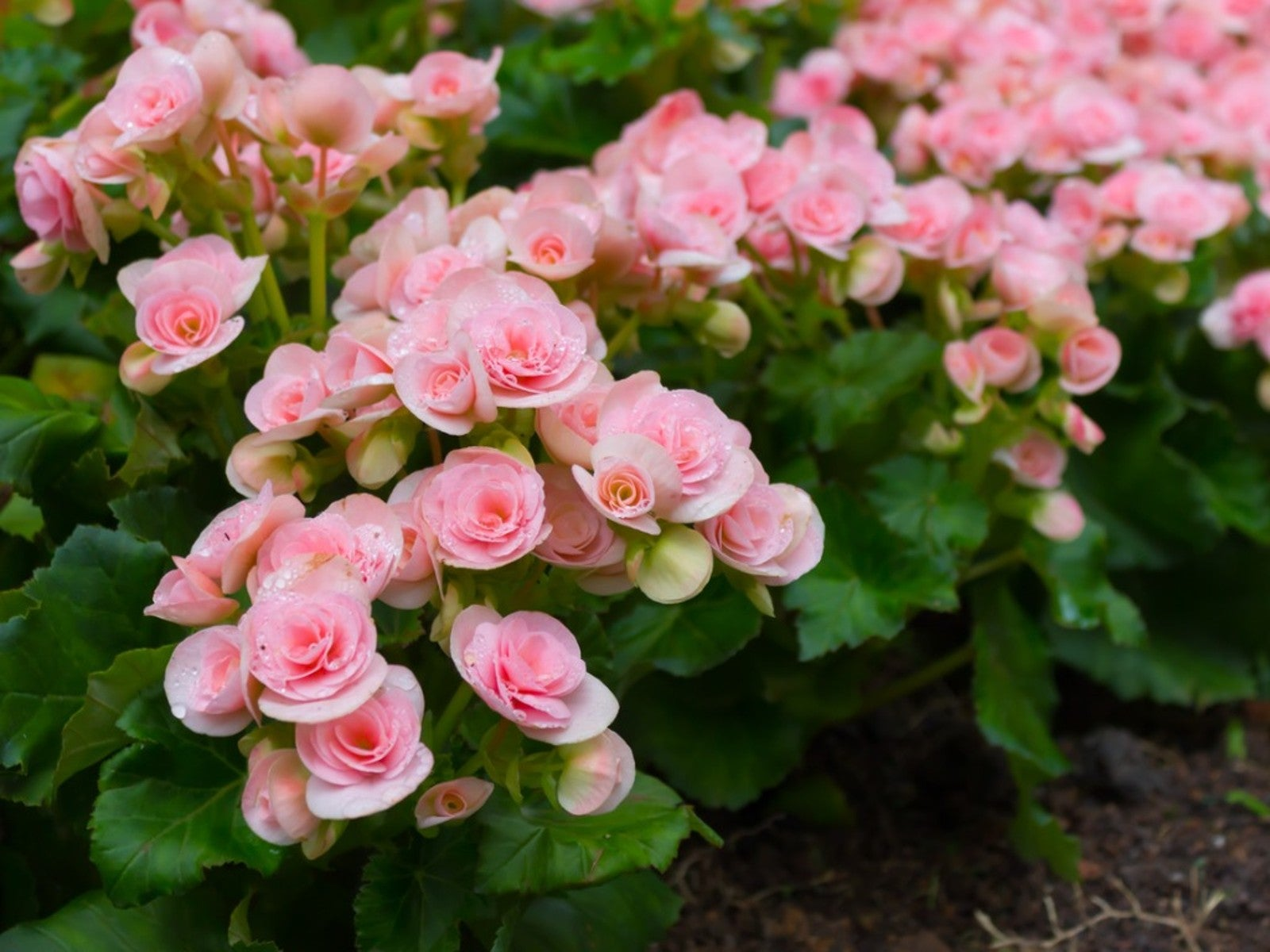
7. Begonias
These will provide color throughout the summer. They aren’t perennial, but they are the one trusted annual I can put in that will keep the color going. There are so many varieties and styles from single bloom to double blooms. They will be an absolute rock star in this area. 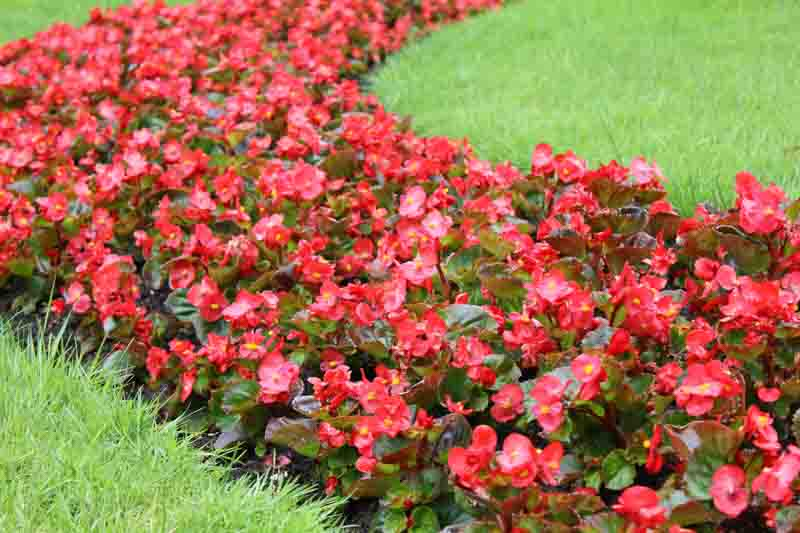
8. New Varieties of Hosta
While we have not made any determinations on which hostas will go in, we’ll work carefully to balance our selections keeping in mind focal points and composition, value and contrast, variety and unity. Too much variety leads to visual noise, while too much unity leads to a dull, repetitive images. Rather, we must find the "sweet spot" where the elements are diverse enough to be interesting but consistent enough to belong together.
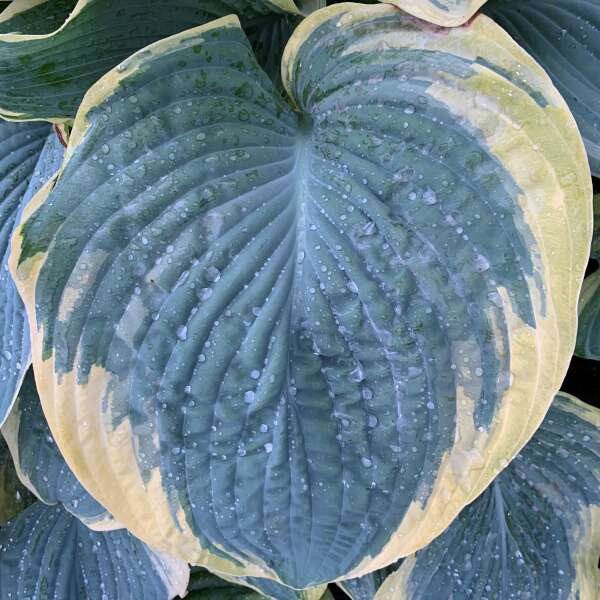
I refuse to think about the profound humility we will face as we prepare the soil for this step, as that may defeat us before we start. We refuse to see the exhaustion of the afternoon, but rather to see a future morning, where chaos transforms into orderly paths and quiet corners.
And once we are in the thick of the work, we’ll remember that every handful of weeds pulled puts us one step closer to the Rembrandt, the Van Gogh, popping off the canvas.



0 Comments