Janzy’s Garden: Surveying the First Area of Memory
They say grief is a garden that grows wild if you let it. For twenty years, since my mother Janet—or "Janzy" to those who loved her—passed away, her gardens have been doing exactly that. While the world moved on, the woods slowly reclaimed her work. My father had no time for the weeding or upkeep, so the perennials were left to fend for themselves against a rising tide of neglect.
Today, as I stand at the edge of the first garden we intend to rehabilitate, I don't just see a "hot mess." I see the ghost of her hands.
Janzy was the neighborhood’s silent benefactor of beauty. Anytime a moving truck pulled into Menomonee Falls, Mom was there with a shovel. She’d split a hosta in two, giving half to the newcomer so they’d have a head start on a new garden. I like to think her legacy is blooming in a hundred different yards across this little village, even as her own original beds sit choked by saplings and weeds.
Building the New Legacy
The goal isn't just to clean up a yard; it’s to create a bridge between Janzy’s Garden and our customers at Little Village Hosta Farm, and a bridge between the past and the present. We want the first thing people see to be a testament to what happens when you care for something deeply.
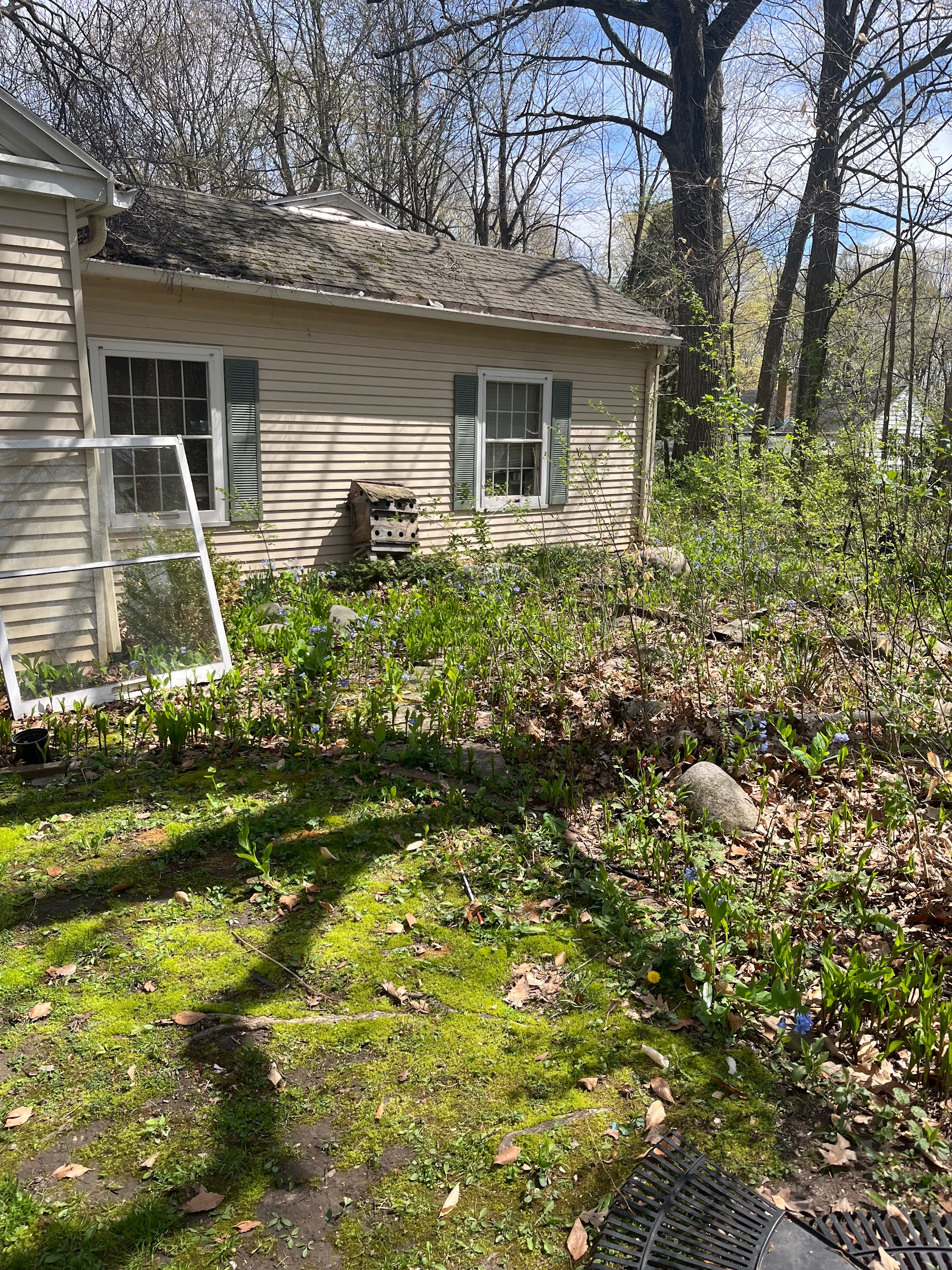
Here is what the gardens look like currently (Prepare to be horrified):
As we searched, here is what we found that we intend to salvage:
- Lilly of the Valley. They have spread everywhere, even defiantly pushing up between the heavy stepping stones. They were one of Jan’s favorites, and though they’ve chosen the wrong path for their home, I’ll gently move them to a place where they can spread their tiny white bells in peace.
My mother loved the powerful intoxicating aroma that arose from this tiny little flower.
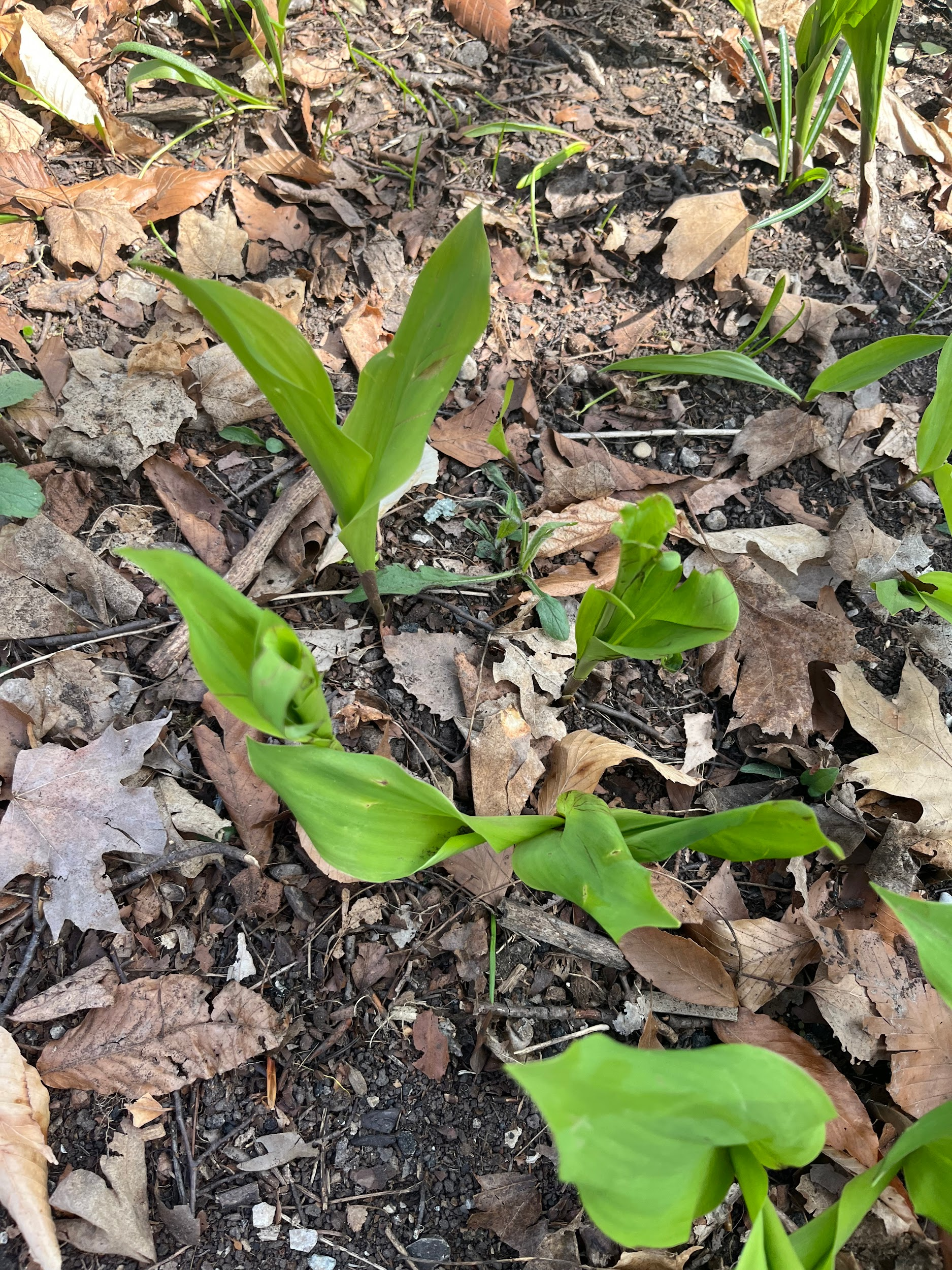
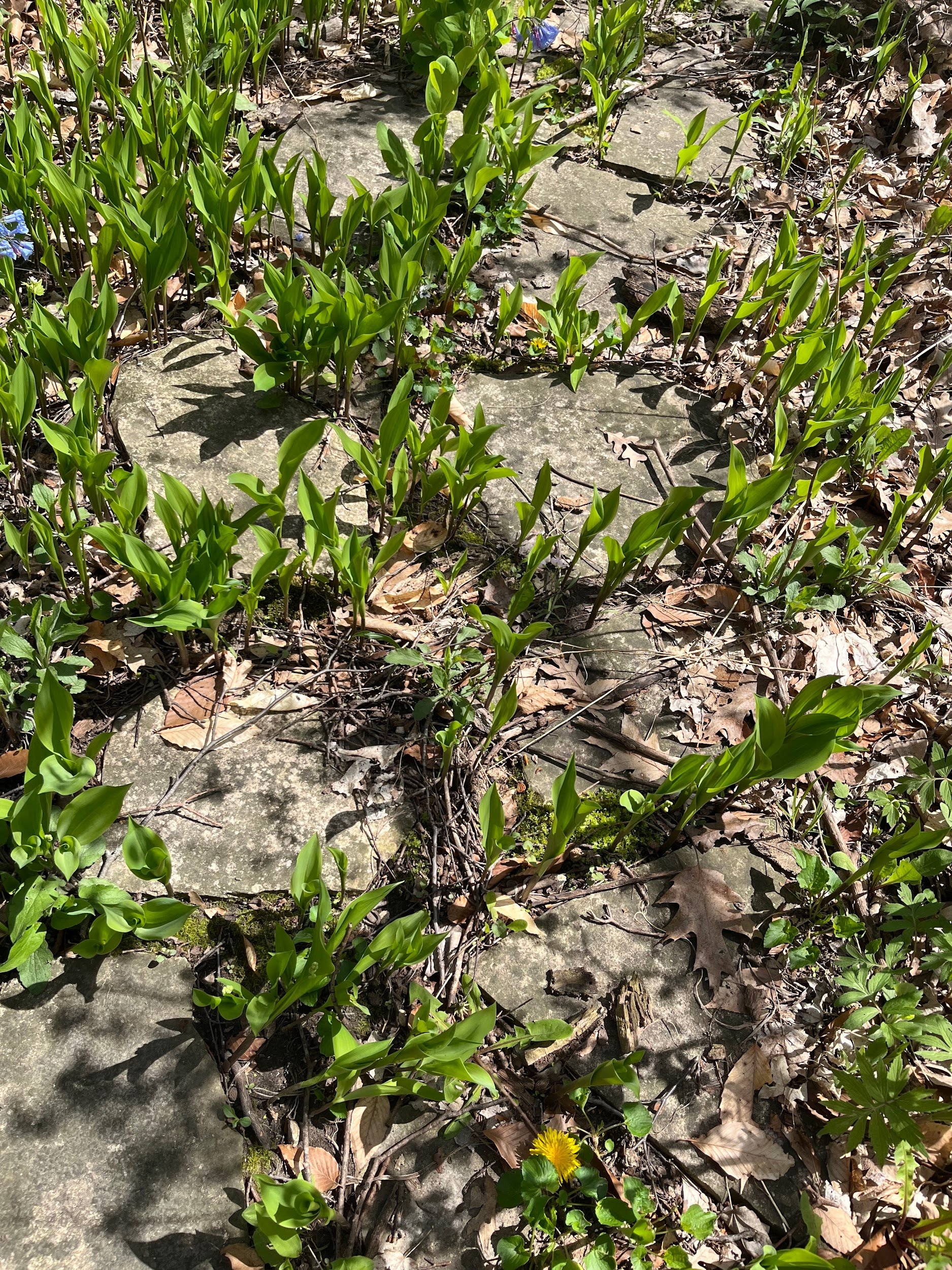
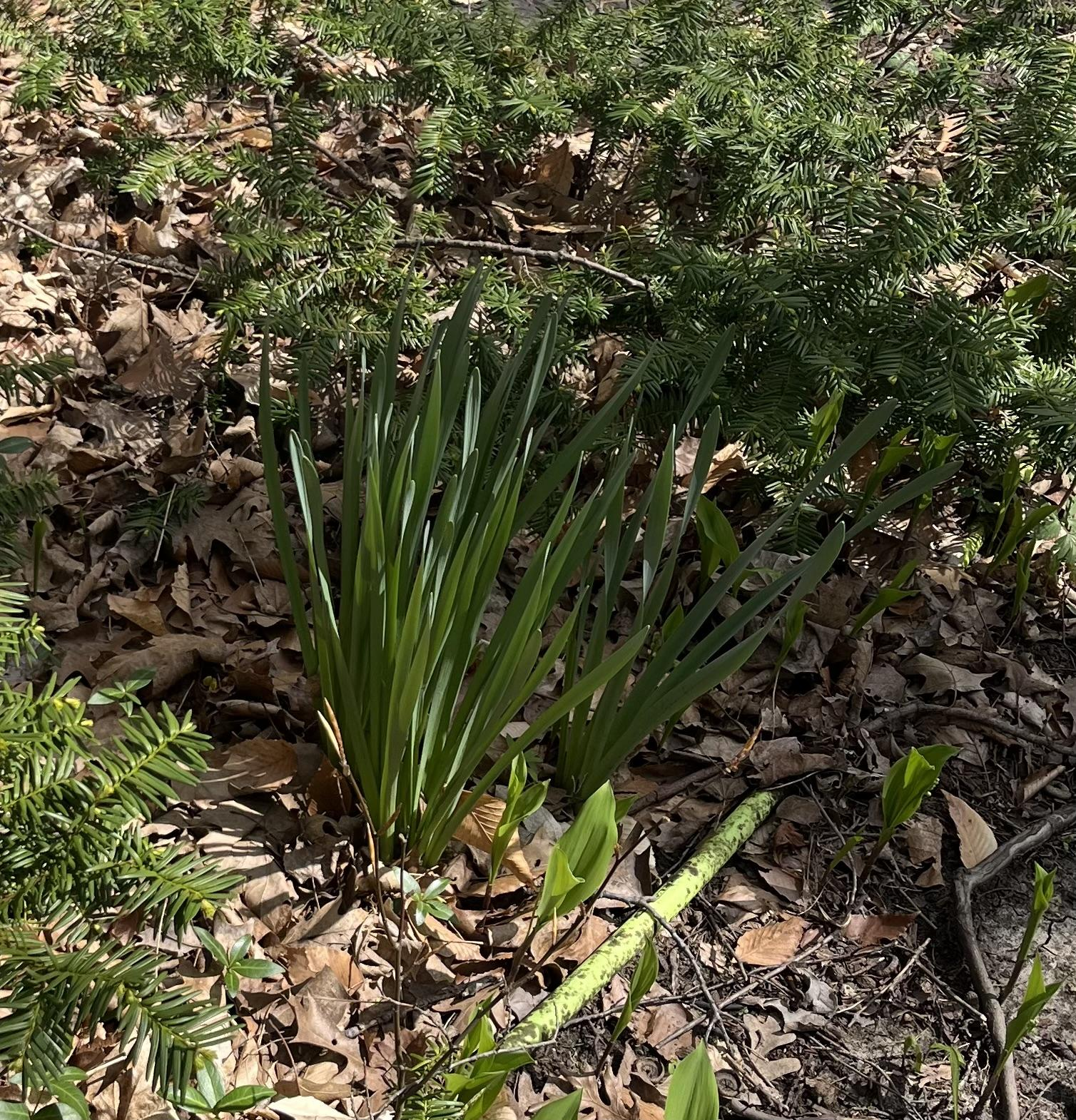
- Daffodils: Janzy planted thousands of daffodils on the property. There are some left in this garden area. I want to preserve the last remaining daffodils in this section, and add some new ones for that first splash of color in the spring!
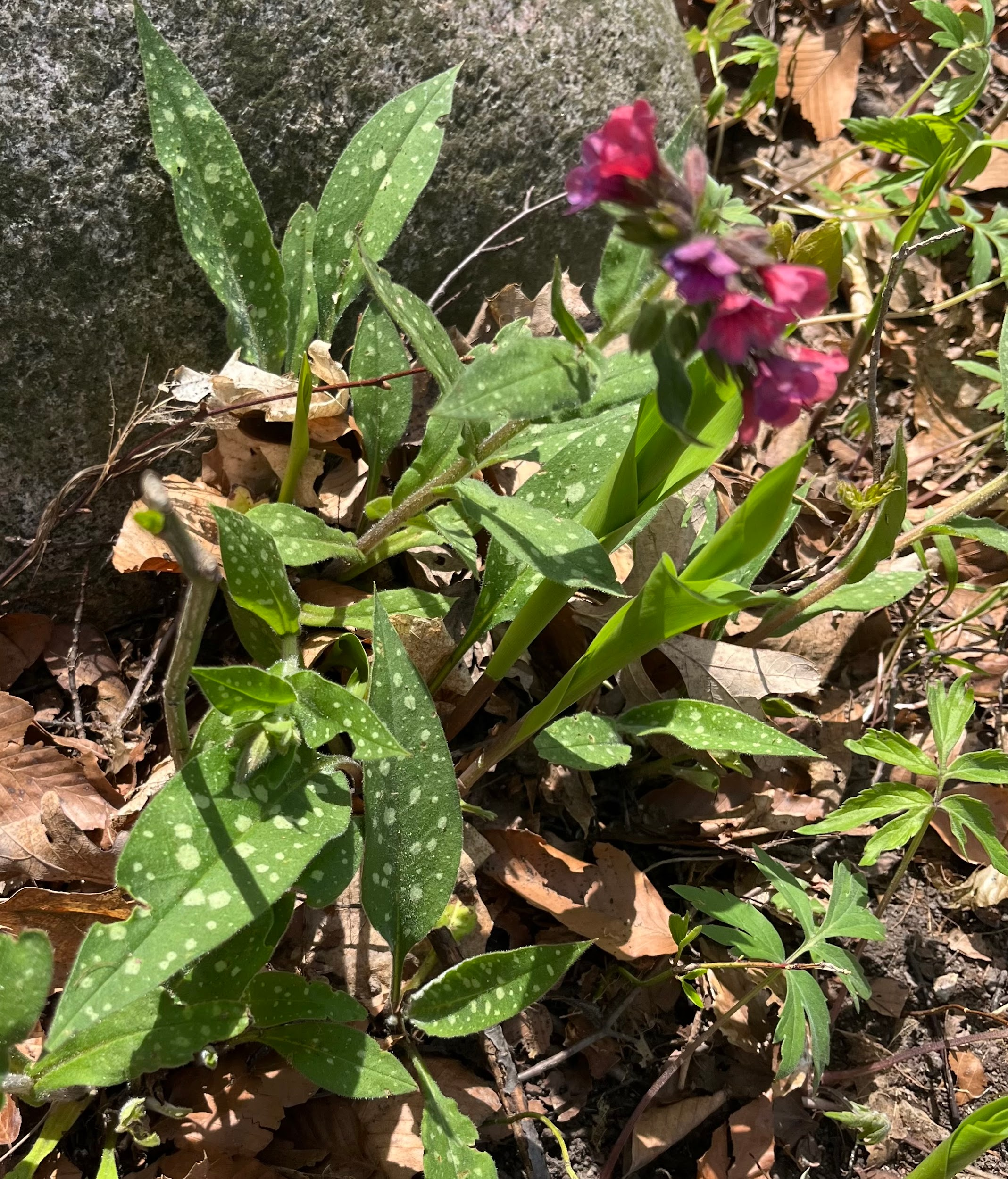
- Lungwort or Pulmonaria.
I have found only one remaining plant so far—a single, spotted survivor with those whimsical pink and purple blossoms. The ancients called it Pulmonaria, believing its dappled leaves could heal the lungs. In a way, finding it feels like a cure for the heaviness in my own chest. I hope to find more hidden under the leaves.
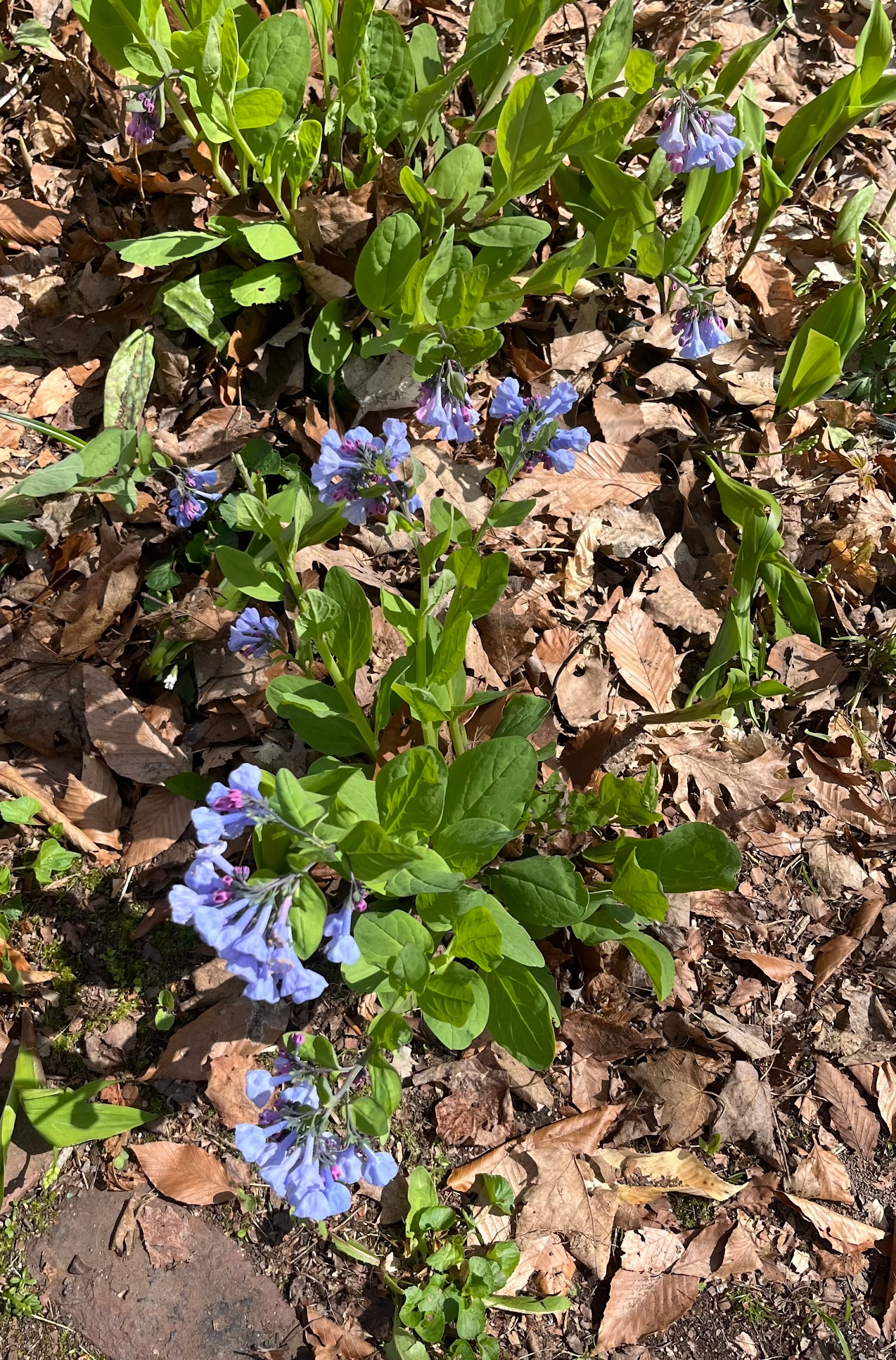
5. Virginia Blue Bells:
We are fortunate that these have stayed and spread in such numbers. These are so beautiful when they bloom in early spring. As a child, I remember my sister picking the flowers and showing me how to taste the sweet nectar.
5. Evergreen bushes: These have been so ignored, they are just spreading along the ground like an octopus stretching out it’s tentacles. They are nice for winter color, but need to find their backbone and stand back up straight at attention. 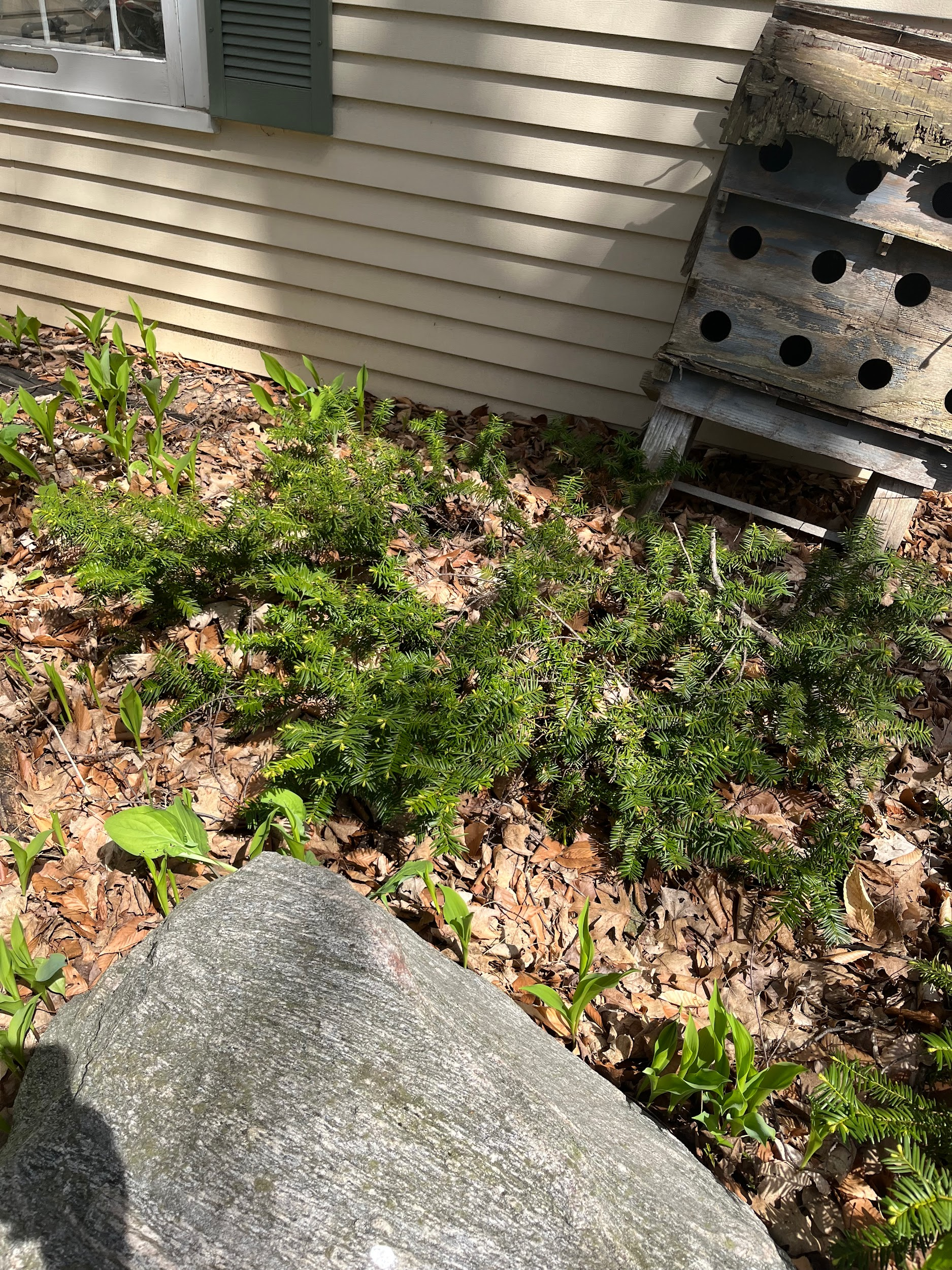
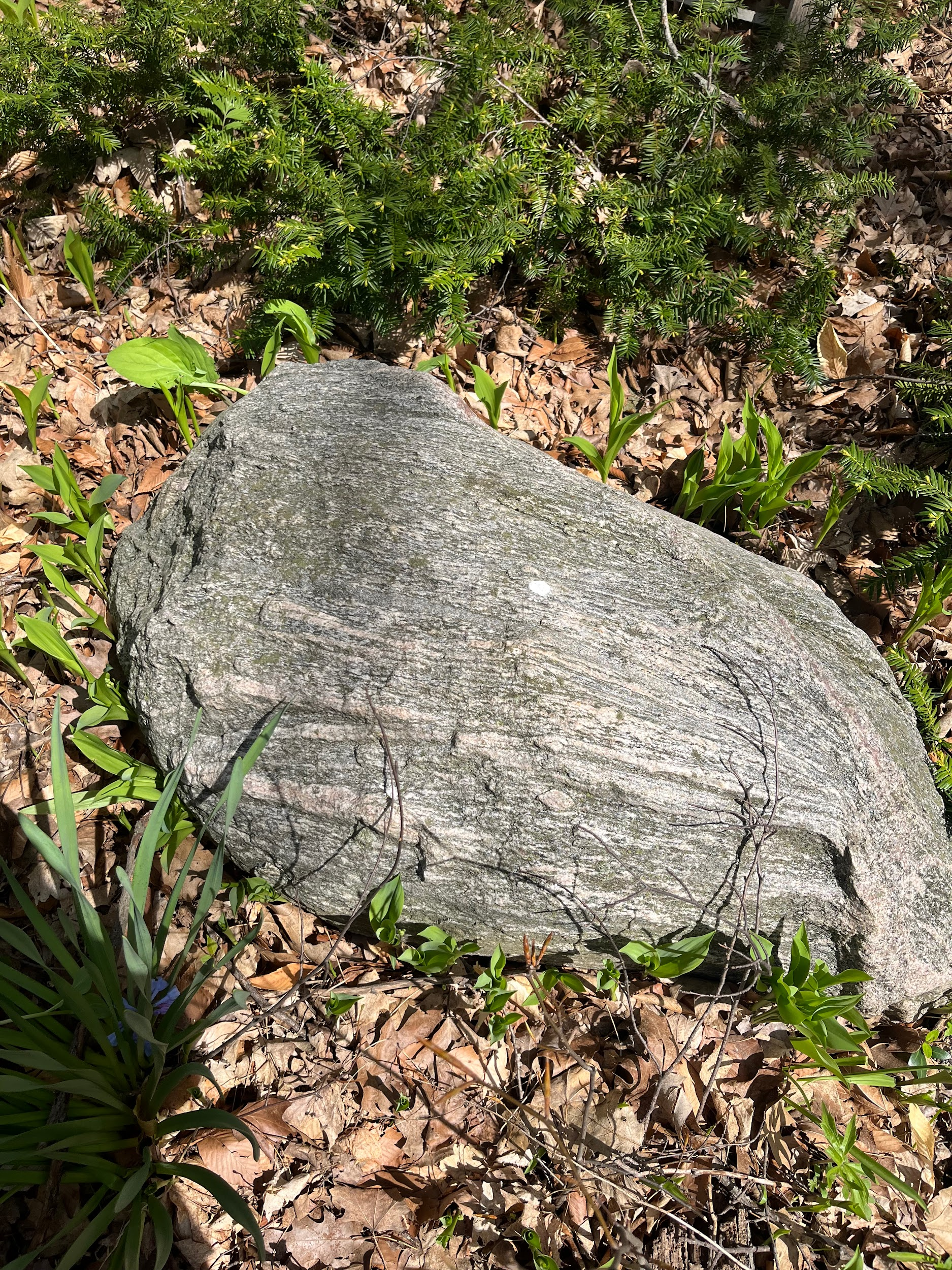
7. Rocks. Janzy loved big rocks for her garden! Many of these rocks traveled here from Brownsville, WI. Mom had a lovely friend who owned a farm there. They’d plow the field and dig them up, and she’d load them up in her trunk and drive them home, with the bumper riding low to the ground. We’d scrape the road on the turns. But she had intention for each and every rock, to add interest and texture to her colorful landscape.
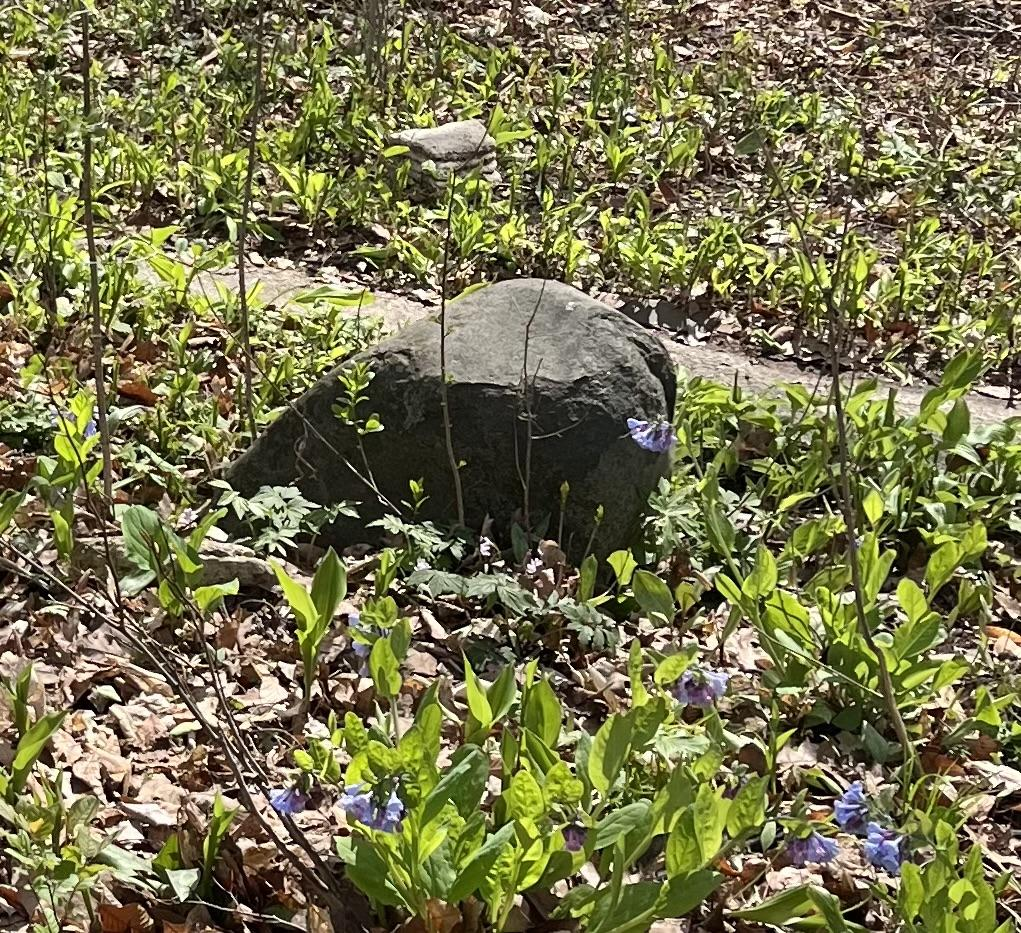
It is a massive undertaking on a shoestring budget, but as I look at those Virginia Bluebells—the ones we used to suck the nectar from as children—I’m reminded that beauty is patient. It’s been waiting twenty years for us to find it again.
The weeds are tall, and the work is hard, but I can already smell the intoxication of a garden reborn. Join us as we start digging.


0 Comments