Little Village Hosta Farm is located right at our home. On a good day, that means our customers get to step into a living gallery of lush foliage, shaded pathways, and the quiet peace we work so hard to cultivate. But on a bad day, it means when people drive down our driveway, they see all our raw, unfiltered mess.
If you drove in today, you’d see exactly what I mean.
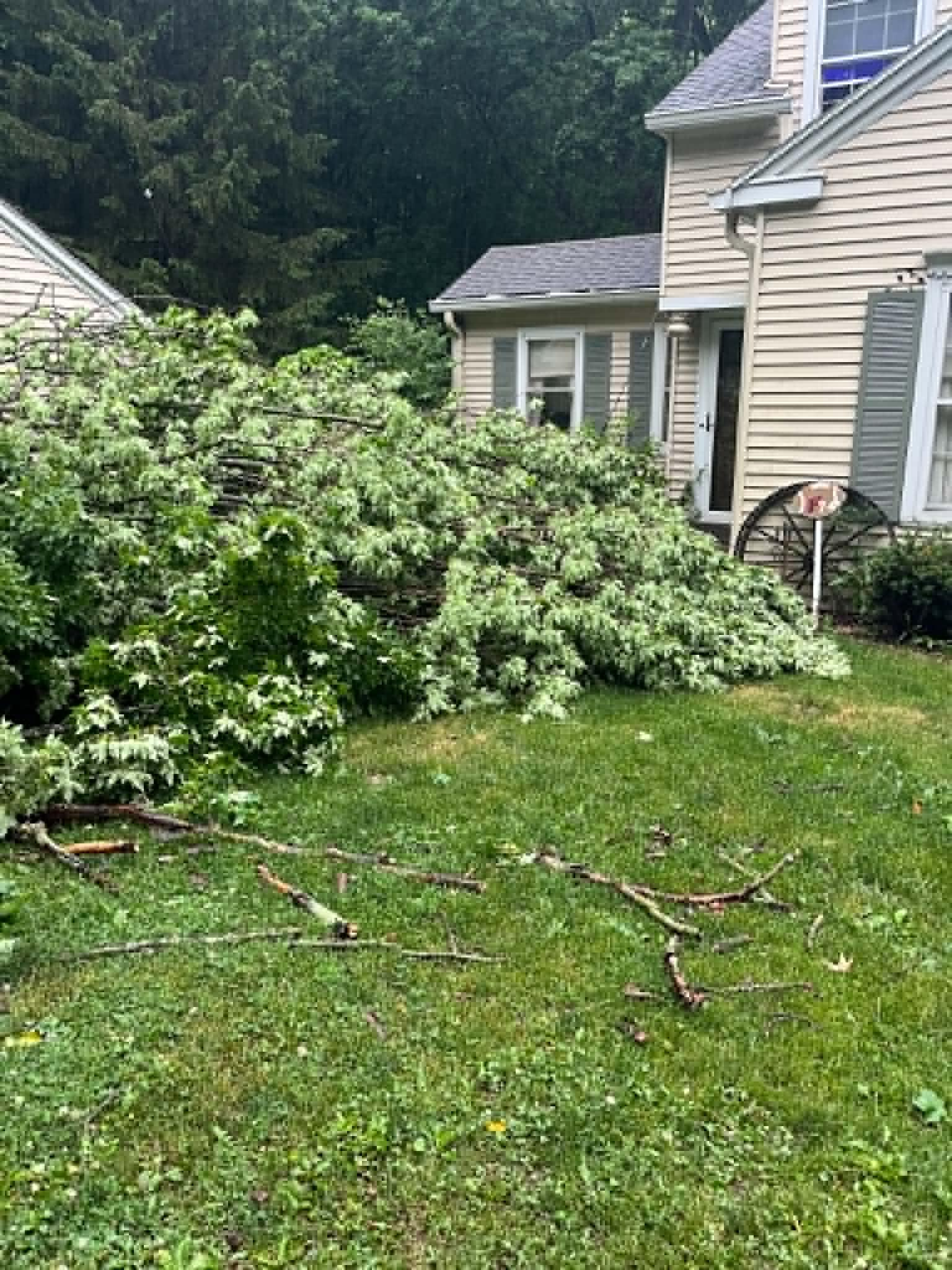
Yesterday, a sudden, violent burst of high winds swept through our property. With a deafening crack, it tore the top right off one of our massive trees and dumped it violently onto the ground below.
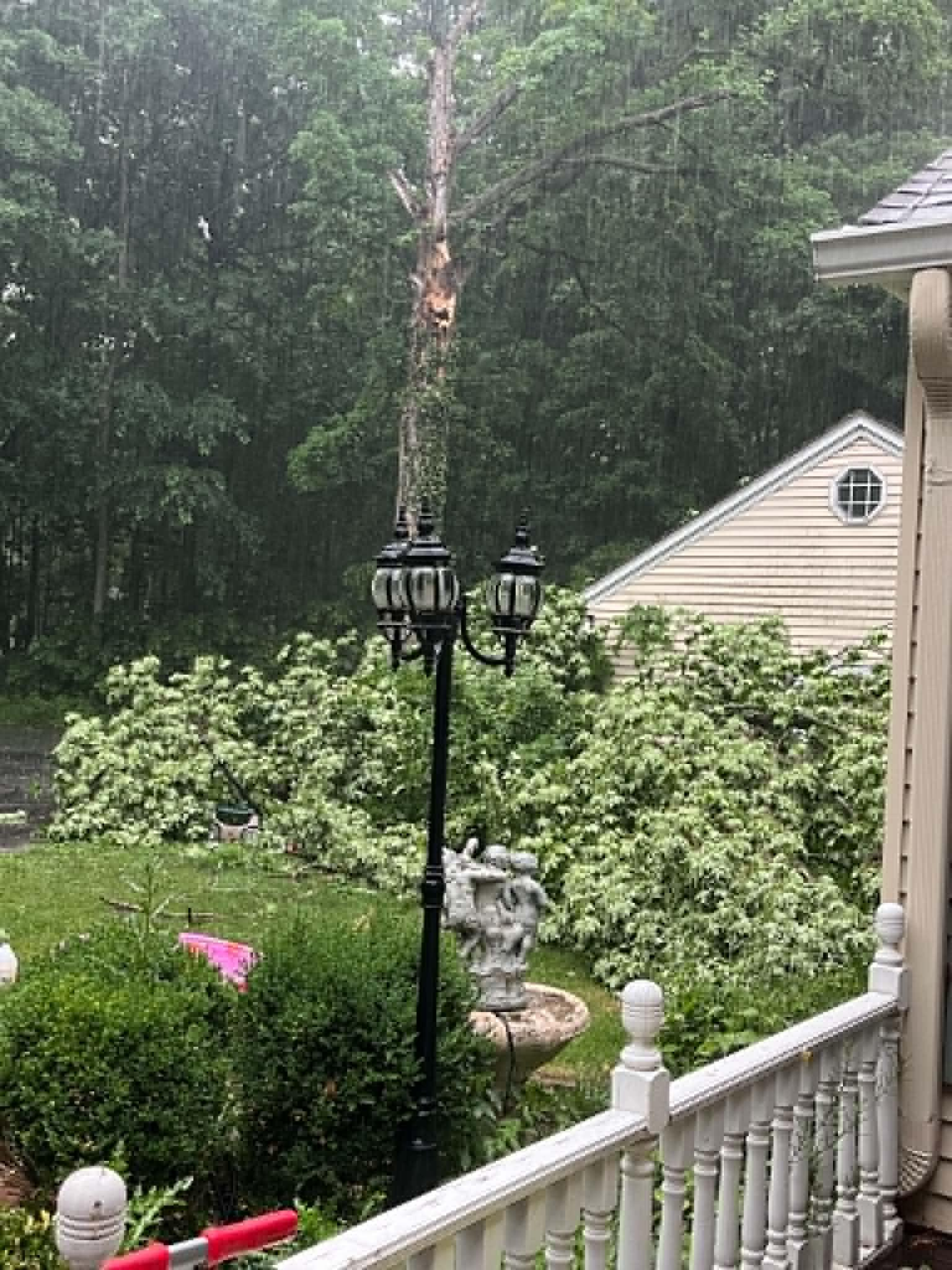
In the grand scheme of things, this isn’t a tragedy. It’s a hiccup. But if I’m being completely honest, our life feels like it gets a lot of them. Some gardens suffer through a dry spell; some get a gentle drizzle; others deal with an occasional flood. It feels like our family garden gets hurricane-force weather on a regular basis.
We’ve weathered some massive storms over the years—cancer, autism, mental illness, broken limbs, lemon cars, major roof leaks. The list goes on. When you live through enough of those high-velocity winds, your brain does a funny thing to protect itself: you condition yourself to always expect the absolute worst, hoping you’ll just be pleasantly surprised if it doesn’t happen.
So, when Paul and I walked outside to inspect the damage, that old defense mechanism kicked right into high gear.
I immediately started playing the "Bright Side" game. Yes, a massive tree fell—but it landed six inches from Paul’s work truck. Lucky! It shattered the garage window—but it was inches away from crashing through the house windows. What a relief! It ripped the gutter clean off the garage—but it only disturbed a few shingles instead of completely wrecking the roof. It crushed a raised rock garden to pieces—but hey, at least it missed the driveway, so the concrete didn’t crack.
Man, were we ever lucky!
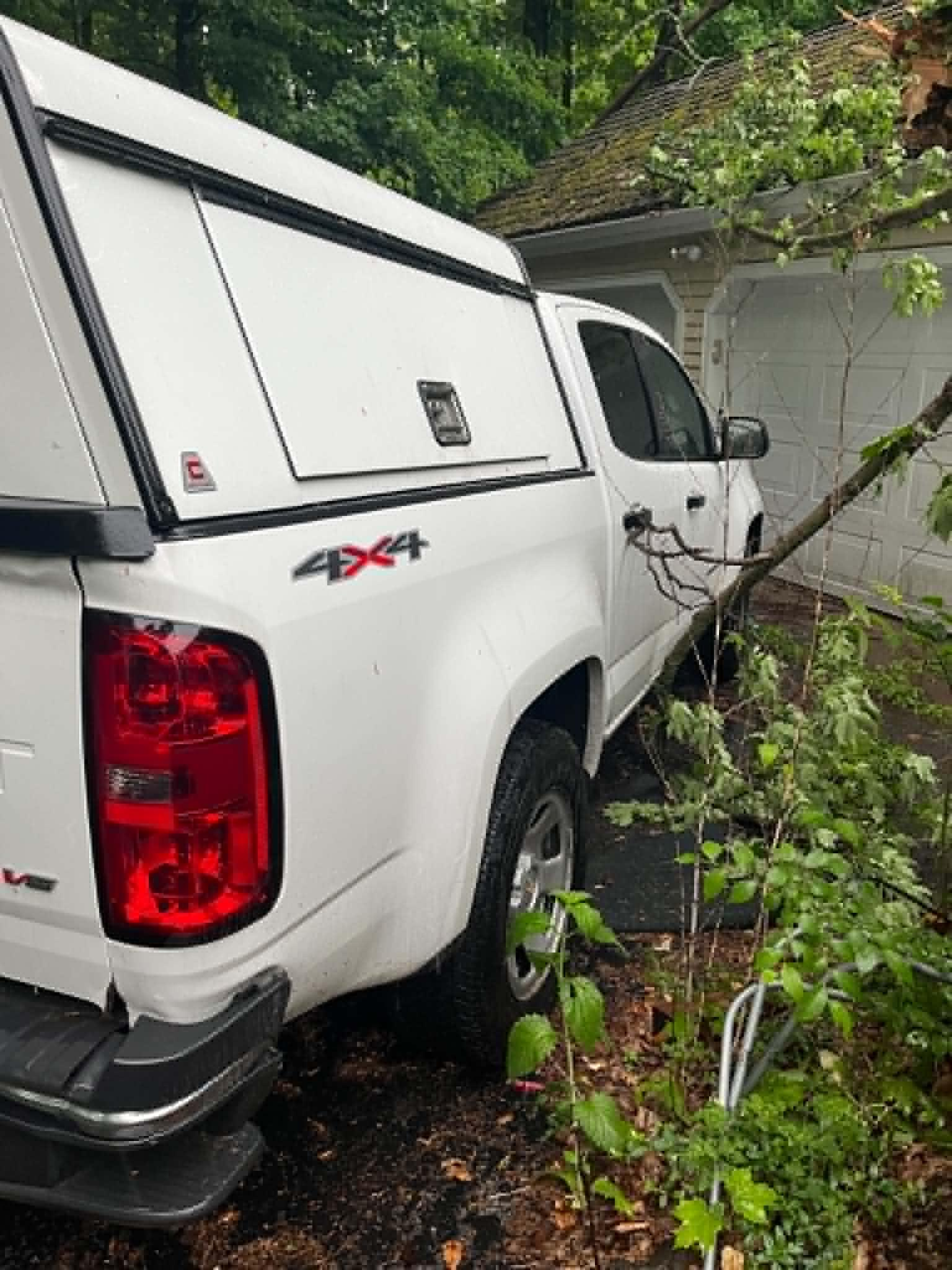
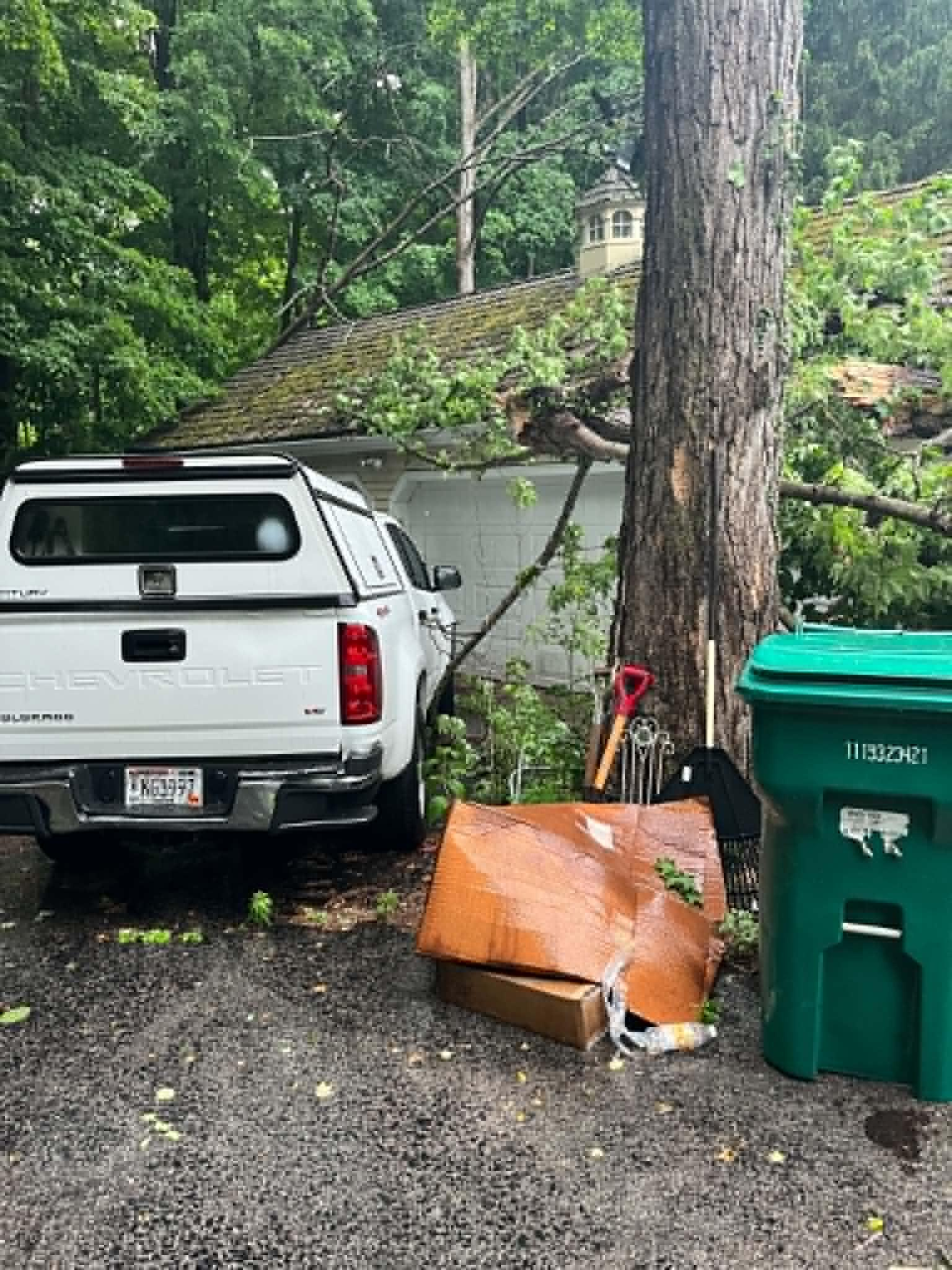
We are so conditioned to do this, aren't we? When things go wrong, people are incredibly quick to offer platitudes. "Look on the bright side!" "Everything happens for a reason." "Count your blessings, it could have been so much worse." I even made a REEL and shared it on our Facebook page about all of the “positives” of the situation.
But as I stood there looking at the tangled branches and shattered glass, a heavy wave of exhaustion hit me. I realized something important. The problem with forcing ourselves to immediately find the silver lining is that it robs us of our right to have true, honest feelings about a situation.
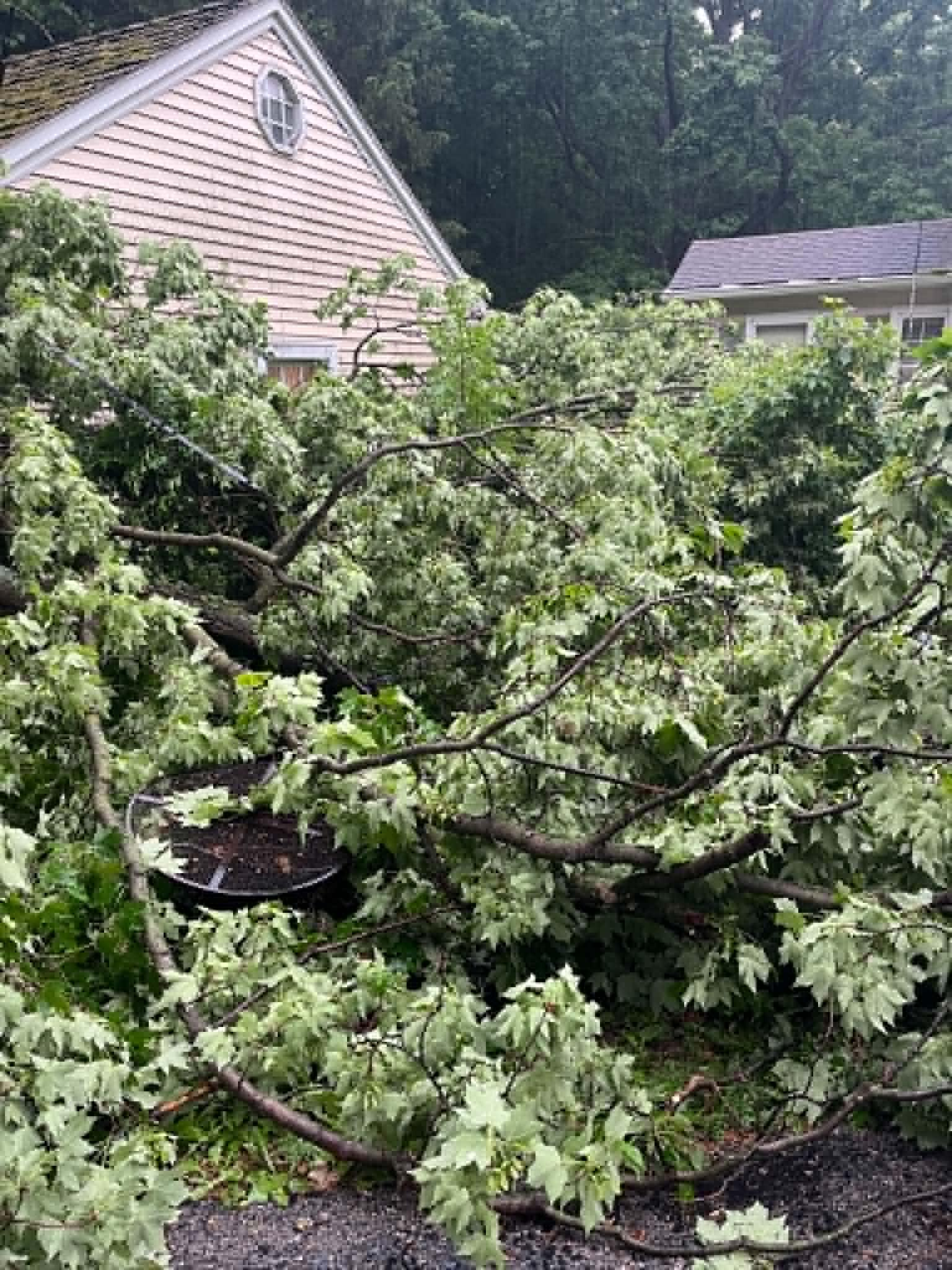
When we rush to say "it could be worse," we are denying our right to be upset, to cry, or to just yell at the sky for a minute. For years, I have robbed myself of my own feelings by masking stress with forced gratitude.
The reality is, today we have a massive tree to cut up. We have a window to replace, deep scratches on the side of the work truck, a gutter to buy, and a roof to patch. Our homeowner’s insurance deductible is high, and we all know the company will just jack up our rates the second we ask for help. So, this is all coming out of our own pockets and our own limited time.
It sucks. It’s annoying. And I am allowed to be mad about it. Even if it is a small hiccup. Even the little annoyances. I’m going to allow myself to have my feelings.
The Lesson from the Dirt
In gardening, you can’t just throw a tarp over a weed, pretend it isn't there, and expect the garden to be healthy. You have to acknowledge the weed. You might even need to sit with the frustration of having to dig it out when you have a million other things to do.
Life is the same way. True resilience isn’t about smiling through a storm or pretending a fallen tree is a blessing in disguise. True resilience is having the courage to look at a mess and say, "This is awful, and I’m incredibly frustrated," allowing yourself to actually feel that weight, and then picking up the chainsaw.
So, if you’re pulling into our driveway this week, please excuse the mess. We are clearing the branches at our own pace. And if you are currently dealing with your own fallen trees, unpredictable weather, or a season of life that feels entirely unfair, here is my advice to you:
Give yourself permission to skip the silver lining today. You don’t have to look on the bright side right now. Have your feelings. Cry, scream, or just sit in the quiet and be mad. The work of cleaning it up will still be there when you're ready—but you deserve the right to feel the storm before you start the cleanup.


0 Comments