I love stumping people on those Facebook games where you list ten jobs you’ve actually held and one you haven’t. Over the course of my life, I’ve collected a rather eclectic resume.
Let’s see if I can stump you, too:
- Dental assistant
- Hunting dog trainer
- Reading specialist
- Teacher
- Cleaning lady
- Graduate assistant
- Candystriper
- Hotel maid
- Babysitter
- Florist assistant
- Furniture salesperson
If either of my parents were still here, they would laugh and tell you that as a child, I worked twice as hard to get out of doing work than I would have if I’d just done my chores to begin with. Growing up, we were expected to help out. Our childhood home sat on a heavily wooded, five-acre property with a large house. There was always a project on the horizon. House cleaning, yard work, and home improvements were the standard weekend landscape, but I was famous for avoiding any semblance of hard labor with creative excuses, stalling tactics, and highly dramatic performances.
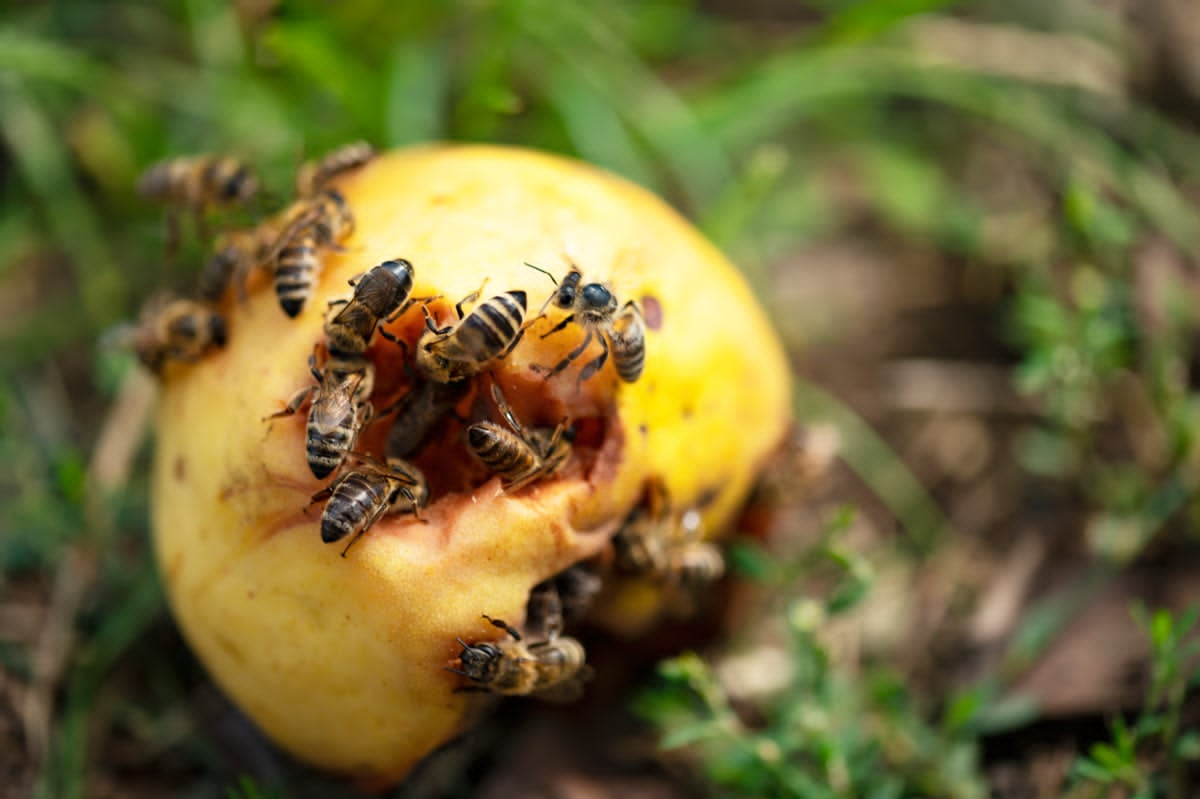
Our front yard had three ancient apple trees that produced the most miserable fruit—sour, gnarled, and entirely filled with worms. As summer marched into August, the apples would drop and rot on the ground. They had to be collected in a wheelbarrow and wheeled into the back woods for the deer and rabbits. If you’ve ever been around rotting fruit, you know it attracts more than just woodland critters; it attracts bees and hornets, my absolute mortal enemies. Nothing got a kid out of yard work faster than a sting. While I never went so far as to get stung on purpose, I wasn’t above faking a bee sting now and then to drum up enough sympathy to leave the apple buckets behind.
But that dramatic aversion only applied to my own family chores. If you attached a shiny new quarter to a job, and that job was assigned by anyone other than my parents? Oh, I was entirely down for that.
I didn’t wait for work to find me, either; I actively hunted it down. When I was just six or seven years old, I marched over to our northern neighbor, Mrs. Stroh, and brazenly asked for a paid position. Her property spanned ten acres of beautiful, sprawling gardens, and it became my very first introduction to professional horticulture. For the promised sum of two shiny quarters, I told her I would weed her beds. Never mind the minor detail that I had absolutely no idea what the difference was between a weed and a flower. I simply pulled things out until the dirt looked tidier than when I started.
I will never forget the feeling of those two quarters being dropped into my little, mud-covered palms. As I walked home, I clinked them together in my pocket, half-hoping the magic of hard work would cause them to multiply by the time I reached our driveway.
It wasn’t that my own parents expected us to work for free—we received a modest allowance for jobs well done—but there was an intoxicating thrill in earning cash entirely independent of my family. As I grew a bit older, I teamed up with my neighborhood bestie, Kathy. We came up with a terrible, corporate-sounding name for our duo and offered our services to every annoyed neighbor on the block.
Finally, a nice family who had just moved in down the street bit. Mrs. Vetrovec looked at our eager little faces and offered us fifty cents to peel old contact paper off her kitchen shelves. While we scraped away, she told us all about her family arriving soon from New York, promising that there would soon be five new friends for us to play with: Vicki, Valerie, Frankie, Lori, and Mikey. That job paid so much more than the coins we walked home with; it became the foundation of a wonderful, lifelong friendship between our families.
Eventually, Kathy’s entrepreneurial spirit waned, but mine kept right on going. I branched out to the northwest, knocking on the door of Mrs. Puls, a lovely older woman who lived alone in a house tucked back in the trees. We loved trick-or-treating at her house because she was the only neighbor who insisted you perform an actual trick for your treat—a somersault, a silly face, or a cartwheel. When I hit her up for a job, she called her grown daughter, who happened to be training hunting dogs.
Suddenly, I was being paid fifty cents an hour to stand in the middle of a muddy cornfield in the biting autumn chill, throwing canvas dummies for retrievers. I don't remember much else about that job, other than the fact that the money was hard-earned and my piggy bank was growing delightfully heavy.

As the years rolled on, the natural next step was neighborhood babysitting. The pay was better, though back then, you didn’t set a rate—you just accepted whatever people thought your time was worth and were grateful for it. I started with the local high school principal’s two boys, and through word of mouth, my name spread like wildfire among the local teachers. Soon, I was babysitting two or three nights a week. I’d love to tell you I was a strict, disciplined saver, but I loved spending time out with my friends, and a fresh supply of slush-fund money made that a lot easier. I saved some, I spent more, and the steady stream of pocket change kept flowing.
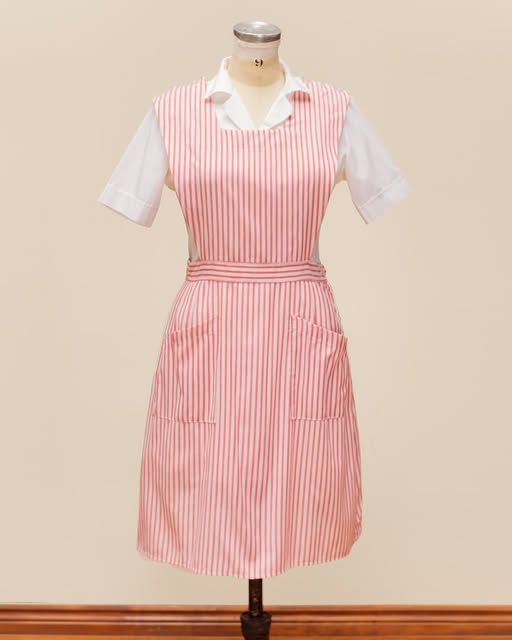
By the time I hit fourteen, I traded babysitting for a pink-and-white striped jumper and spent the summer as a volunteer candystriper. My older sister had handed the uniform down to me after an incredibly miserable stint helping in the hospital kitchen. I lucked out, though, and was assigned to the physical therapy department. Most of my days were spent wheeling patients down from their rooms or helping them ease into the hydrotherapy tubs. I loved the patient interaction. It was the first time work felt bigger than myself, and I walked away with a profound respect for healthcare and a deep empathy for people living with physical pain.
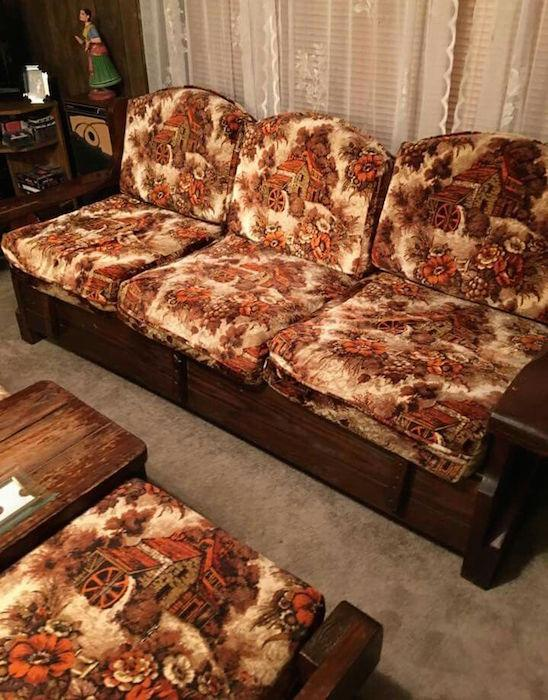
When I turned fifteen, work permit proudly in hand, I transitioned into the world of retail at our local mini-mall. The furniture shop inside was a time capsule of circa-1980 aesthetics: heavy dark wood and cushions covered in orange and brown scenes straight out of Little House on the Prairie, complete with covered wagons and barns. I was given virtually no training and was expected to manage the showroom completely alone. Unsurprisingly, I wasn't a very gifted furniture salesperson, and I left after a few months to find greener, or at least less upholstered, pastures.
Those pastures led me to a local motel that was hiring maids. You wouldn’t think a small-town motel would have "mean girl" cliques, but this place was brutal. The girls who were supposed to be training me would race ahead to strip the sheets off the beds just to steal any cash tips left behind on the pillows. I worked as quickly and thoroughly as I could—discovering items left behind in those rooms that I didn't even know existed—only to be screamed at for being too slow. I later found out the other girls were taking wildly unethical shortcuts to hit their times. I was just glad my own family never stayed there, and I ran for the exit as fast as my feet could carry me.
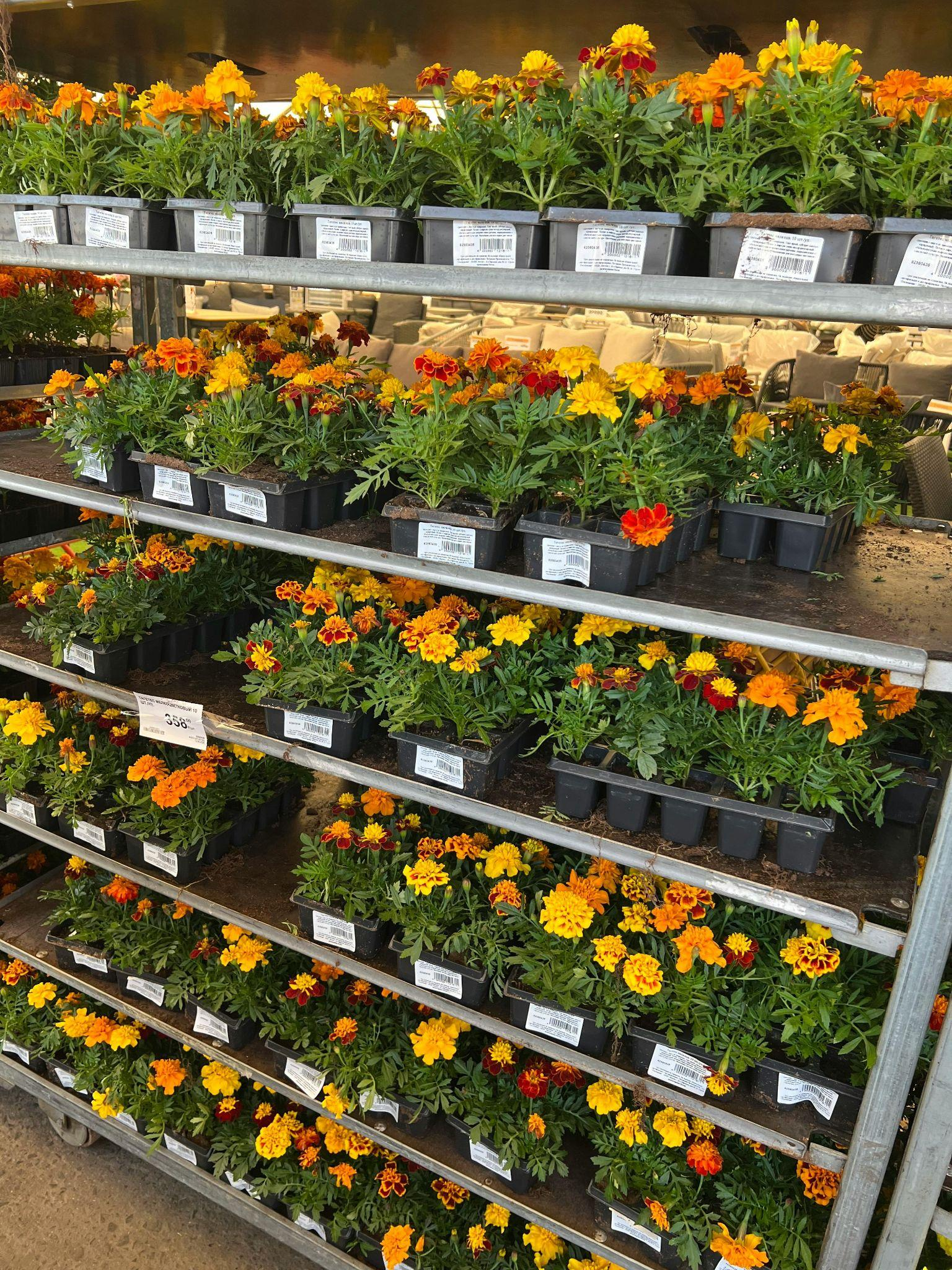
My next venture, however, was a distinct brush with destiny—my very first taste of what it meant to run a nursery. I was hired to work a pop-up plant stand in a grocery store parking lot. The owners contracted for the pavement space and access to a water spigot, and it was there that I learned the language of annuals. I memorized the names and faces of geraniums, lantana, begonias, and petunias.
My shifts were entirely solo. I offloaded trucks, organized heavy flats, and swept the pavement. At closing time, I had to zip the day's cash into a heavy pouch and take it home overnight for the owners to collect the next day. The job was a masterclass in responsibility. If I had to use the restroom during a shift, I couldn't leave the cash unattended, meaning I had to haul the cast-iron cash register across the hot asphalt and into the grocery store facilities with me. I learned to hold it for a very long time. That register weighed a ton, but the experience I gained was worth its weight in gold.
When I eventually left for college at UW Stevens Point, the quest for extra income continued. My philosophy professor asked our class for housecleaning and dog-sitting help on weekends when he and his wife traveled. It was an easy gig, which was a saving grace because my weekend mornings were usually spent recovering from the adventurous Friday night before. Being entirely alone in a quiet, beautiful house with a little dog was the absolute perfect medicine—and getting paid for it only funded the next weekend's adventures.
During the summer hiatuses from Stevens Point, I stepped out of the university bubble and into my father’s dental practice as his chairside assistant. In truth, I had been training for this role since I was old enough to accompany Dad on weekend emergencies when patients called the house with toothaches that couldn’t wait until Monday. Back then, he’d let me hold the slurp-o-matic 3000 dental suction. By the time I was in college, I was an old pro, sliding in easily to cover maternity and medical leaves.

I loved working for my dad. His patients treated me with such genuine kindness, and the office staff showed immense patience as I mastered the finer points of the job. Best of all, Dad and I would steal away for quiet lunches at local restaurants. I was utterly spoiled by his presence. To this day, I still have vivid dreams about being back in that office. It remains the one beautiful place where my dad and I can still sit down and have a conversation, long after he slipped his earthly bonds to rest among the stars.

Dad’s patients always asked if I was going to follow in his professional footsteps, but dentistry wasn't my forte. I briefly thought my future lay in science, but one semester of brutal lab classes combined with too many college party nights convinced me I was heading down the wrong path.
It was right after that detour that my true passion was ignited: I went into education. It was a different era then; teaching was still a deeply respected, revered profession. The pay wasn't lavish, but the benefits were steady, and the moment I began those classes, something shifted inside me. I settled down. The urge to spend my nights out partying evaporated, replaced by a quiet desire to stay in and study.
I transferred to UW Milwaukee for my junior year to finish my education degree, but I graduated right into the middle of a massive teacher surplus. Finding a permanent classroom was nearly impossible, so I substitute-taught for a year and a half, keeping my eyes on the horizon. Finally, Milwaukee Public Schools hired me as a seventh-grade teacher at Burdick School on the south side. I walked into a building with an incredible principal and a top-notch staff who taught me how to truly love the craft of teaching.
My feet were firmly set on a path of educational leadership. Over the years, I went on to earn two Master’s Degrees—one in administration and another as a reading specialist. And while I was earning them, a side gig as a graduate assistant certainly helped offset the tuition fees.
I transplanted myself around Milwaukee as new opportunities knocked, spending thirty years cultivating potential in students and tending to new teachers across eight different schools. My final school assignment was in a very impoverished area of the city. Our students carried immense structural baggage into the building every morning—heavy stones in their soil before they even walked through the door. It was difficult, exhausting work. Though my title was reading teacher, a massive portion of my day was spent acting as a bootleg administrator, putting out fires instead of helping young minds take root in phonics. I didn't get to do nearly as much sowing of literacy seeds as my heart wanted.
When retirement finally approached, I knew I couldn't just walk away from the kids who needed help learning to read. Furthermore, my pension wasn't going to be enough to live on; I needed to keep working. While my quests began as youthful pocket change, by this point it had shifted toward the realities of life—paying for utilities, groceries, healthcare, and eventually, putting kids through school. The pendulum had swung.
So, I launched a private reading intervention business for children in the community. I provided virtual instruction—a skill we all mastered during the pandemic—as well as in-person sessions at my local library. I focused heavily on getting measurable results, and word-of-mouth spread like wildfire. Before I knew it, I was getting referrals from all over the country. Today, I provide reading intervention for twenty to twenty-five kids at a time, servicing students in Alabama, California, Texas, and Tennessee. It is deeply satisfying work. I guide parents through the labyrinth of the IEP process, showing them exactly what to ask for to advocate for their children. I build deep, lasting connections with these families, because I care immensely about making sure their hard-earned money yields real progress.
At the same time I was getting the tutoring business off the ground , Paul and I were quietly planning our hosta nursery. Years ago, his parents had planted the seeds of a business in South Milwaukee, and when they finally hung up their trowels, the plan was always for us to dig right in. We didn't just want to tend the existing beds; we wanted to split, divide, and multiply the family legacy. We took the roots they gave us and ran, and here we are.
But if you look closely at that long, strange list of jobs, you realize something. Every single job I have ever held made me exactly who I am today. I didn’t just learn technical skills or how to sweep a floor. It may have started as a six-year-old child chasing a shiny quarter, but it ended up being an education in human connection. From the cornfields to the classroom, I learned how to impact people’s lives in a positive way, and I am still in contact with friends from every single one of those chapters. I was taught to do a job well, and to take pride in the output of my hands.
Does this all feel like a ton of work? Sometimes it does. But more often than not, I feel exactly how my dad felt. These "works" aren't just labor; they are the collection of my life experiences. They are the very things that make me happy, productive, and accomplished.
My dad loved his work because dentistry was never just about teeth; it was about the human beings sitting in his chair. He loved giving them a look of confidence by building their smile, or providing instant relief by taking away their pain. He modeled a life where you remain fiercely passionate not just about the labor itself, but about the people you do it for. He showed me that when you truly love your people, work ceases to be a burden. It just becomes your life's joyful expression.
So, were plants always in the cards for me? My history certainly dropped enough hints along the way. I’ve had brushes with the soil at several beautiful junctures in my life, and I feel that same familiar passion for the greenery we grow and the wonderful customers who visit us to buy it.
And as for that one job on the Facebook game I never actually held? Did you notice I never mentioned floral arranging? It’s funny, really. I might have swept the floors as a florist assistant, but I have never once been paid to create a formal arrangement.
Who knows what the future holds, though. My season is still young, and the possibilities are endless.


0 Comments