The Architecture of Nostalgia: Why We Look Back (and How to Keep Growing Forward)
Disclaimer: As an Amazon Associate, I earn from qualifying purchases.
It started with a text message this morning. A friend sent over a classic 1970s disco track with a note: "Remember that crazy night we partied in NYC and I danced with your Russian friend?"
I had to laugh. In the late 70s, I was still just a kid, and I’ve never actually partied in New York City. The text was clearly meant for someone else, a glimpse into a chapter of a completely different life. But as the music played, it got me thinking. It’s fascinating how a single song, a specific scent, or an old photograph can instantly pull us backward in time.

We are a species obsessed with looking back. We love to reminisce about our childhoods and teenage years. But have you ever noticed how differently people handle their history?
Some people hang onto those early memories like a lifeline, as if that era was the only time anything truly positive happened. It makes you wonder about the choices we make as adults if we feel our best days are permanently in the rearview mirror. On the flip side, some people avoid the past entirely because looking back brings a wave of sadness or regret. But for many of us, nostalgia is a comfortable, warm blanket. We look back and think, “Those were simpler times.”
But were they really simpler? Or did they just seem that way because we were young, sheltered by the adults around us, only seeing the pieces of the world we were ready to handle?
The truth is, if we have a treasure trove of happy childhood moments to look back on, we are incredibly lucky. Not everyone has a childhood they want to reminisce about. For many, the early years are wrapped up in hardship or survival, making looking back a painful endeavor rather than a comforting one. Recognizing that makes me hold onto my own happy memories with an even deeper sense of gratitude.
Finding the Time to Look Back
For most of my life, I fell into a different category: I was simply too busy to look back. Reminiscing was a luxury only allowed brief, fleeting moments in a packed schedule.
Lately, though, writing this blog has changed that. It has intentionally carved out a space for healthy reminiscing that I never used to give myself. Through these posts, I’ve been able to walk back through the winding paths of my past—reflecting on all the different jobs I’ve held over the decades, my father and his wonderful dental practice where I used to work for him, and my grandparents, who brilliantly developed their talents out of pure necessity.
It has also given me a chance to honor my mother and the immense talents she possessed, especially out in the garden.
Interestingly, this process has brought me to tears more than once. If you know me, you know that’s odd—I cry rather infrequently. But when you finally stop running long enough to let the memories catch up with you, the depth of that gratitude can surprise you.
If you find yourself wanting to capture these moments before they fade, you don't have to write a public blog. Sometimes, just sitting down with a dedicated guided legacy memory book https://amzn.to/4f0OBwF or a beautiful linen hardcover journal https://amzn.to/4hc4O3v can help you gently unearth those buried stories at your own pace.
What the Science Says About Nostalgia
Psychologists actually have a lot to say about our tendency to look back, and for the most part, it turns out that nostalgia is incredibly healthy. It isn't just empty daydreaming; it serves a vital psychological purpose.
When we engage in what psychologists call positive reminiscence, it acts as an emotional anchor. It reminds us of who we are, where we came from, and how we fit into the world. Remembering times when we felt safe, loved, or inspired actually boosts our current self-esteem and helps us combat feelings of loneliness or anxiety today. It’s a way of preserving our personal legacy.
But there is a catch. The human brain has a natural habit of viewing the past through rose-colored glasses—a phenomenon known as "rosy retrospection." We tend to remember the high points and edit out the mundane stress, the boredom, or the uncertainty of being young.
Where it becomes unhealthy is when reminiscence turns into stagnation. If we spend all our energy longing for the past, we stop investing in the present. Childhood isn't the only era we should be talking about. It is vital to be having fun at every single stage of life. If we don't, we stop completing the natural cycles of making new memories. I want to live in a way where, when I am 90 years old, I can look back and reminisce about how much fun it was to be 70!
In fact, Paul and I have had to get incredibly intentional about keeping that memory-making cycle active right now. Running a business means we are open every single day of the week, at least for a few hours. If we just waited for free time to magically appear, it never would. So, we made a rule: Monday nights are completely off-limits to work. That evening belongs entirely to us, a designated pocket of time to step away and go make more adult memories to reminisce about later.
Is having to put your relationship on the calendar the most romantic thing in the world? Maybe not on paper. But by scheduling it, we protect it. We make absolutely sure it happens. (And if you need a little help breaking out of the routine on your own designated nights, keeping a couples conversation starter game https://amzn.to/4h9Lxj8 ] or a new date-night deck on hand is a fantastic way to spark some fresh, fun memories!)
Lessons from the Perennial Bed
As a gardener, I can't help but see the parallels between our memories and the plants we tend.
Think about a mature perennial garden. It relies entirely on its roots—the deep, established history buried beneath the soil. Those roots are what keep the plant anchored during a storm, drawing on nutrients from years of accumulated growth. In the same way, the memories of the people and places that shaped us are the root system of our lives. They give us structure, stability, and nourishment.
But a garden cannot survive on its roots alone.
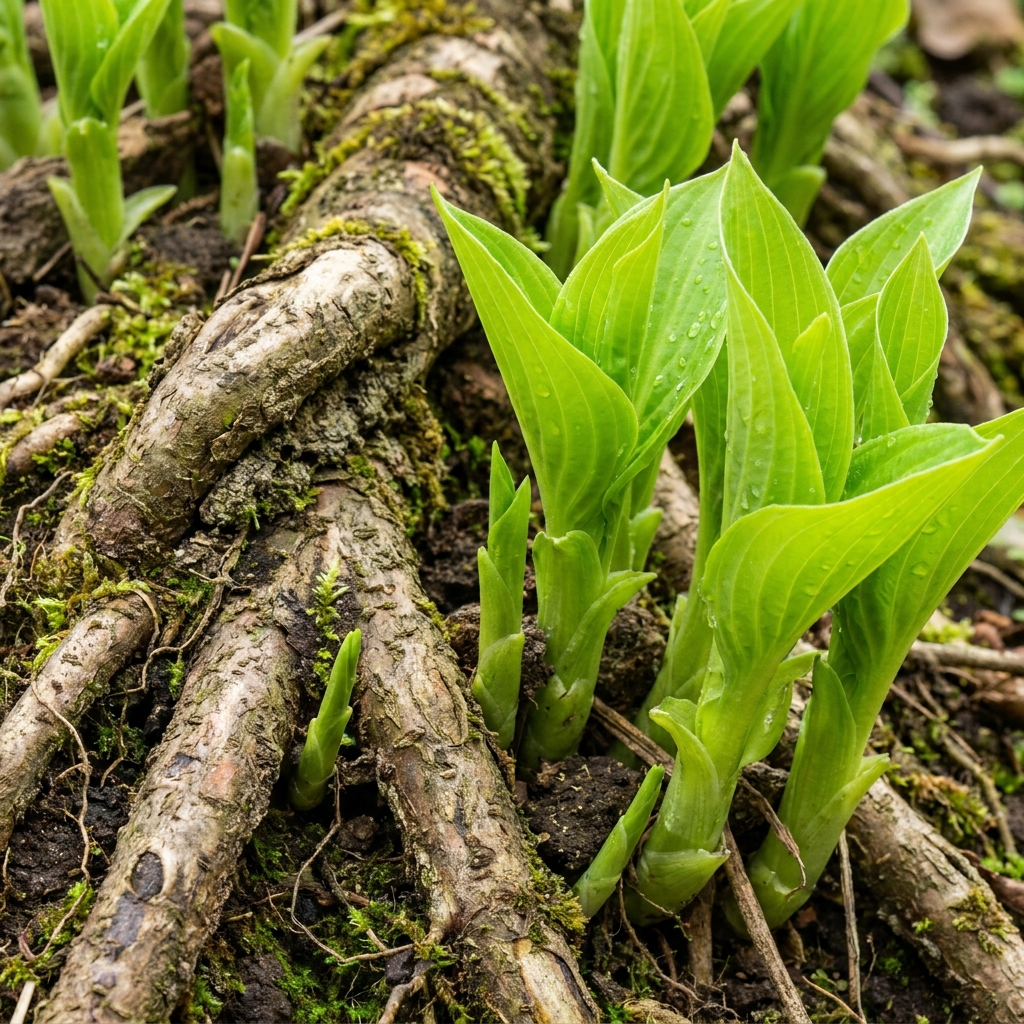
If a plant stops putting out new shoots, if it refuses to produce fresh leaves or push forward new blooms, we know something is wrong. A healthy garden requires us to live in the current season. We have to water it today, prune it today, and clear away the deadwood so that new growth has room to breathe. Each season needs to fulfill its own cycle of blooming.
It is a beautiful, necessary thing to look back at the old gardens of our youth and smile at the blooms we remember. But we also have to keep digging, planting new seeds, and getting our hands dirty in the present. After all, the deliberate actions we take to find joy and fun in our lives today are the very things that will grow into the beautiful, nostalgic memories of our tomorrow.
So, go ahead and listen to that old disco song. Smile at the memories—even the ones that belong to someone else. Then, step outside, take a look at the season you're in right now, and go make something worth remembering.




0 Comments