Lessons from a Garden: Lesson 3. The Gift of Pruning
Lessons from a Garden: Lesson 3. The Gift of Pruning
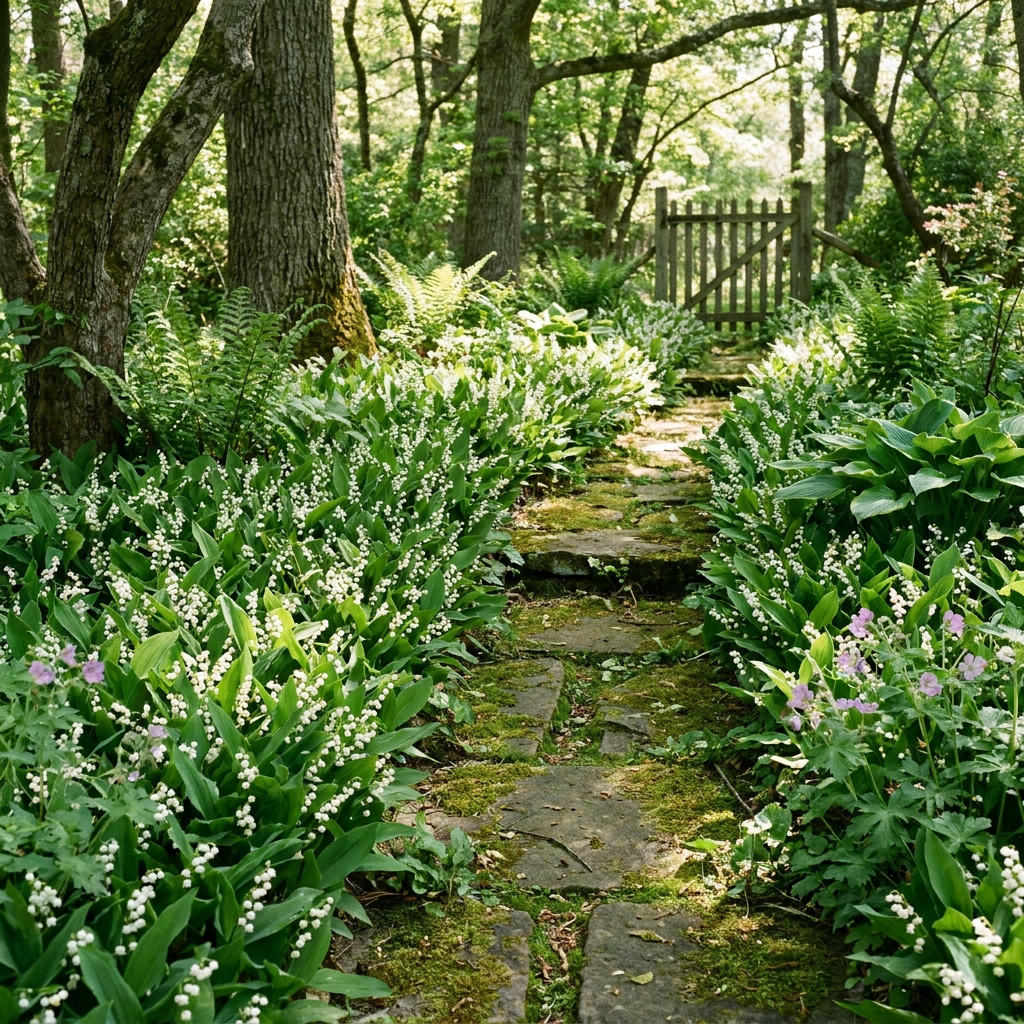
There is a distinct kind of hesitation that comes over you the first time you hold a pair of sharp bypass shears in your hand and look at a living plant. It feels counterintuitive—almost violent—to intentionally cut away something that is actively growing. When Paul and I first began the massive undertaking of clearing and reclaiming the five acres of my mother Janzy’s historical garden beds, the urge was to save everything, to let every green shoot have its day in the sun.
But the garden quickly taught me that you can easily be choked out by too much of a good thing.
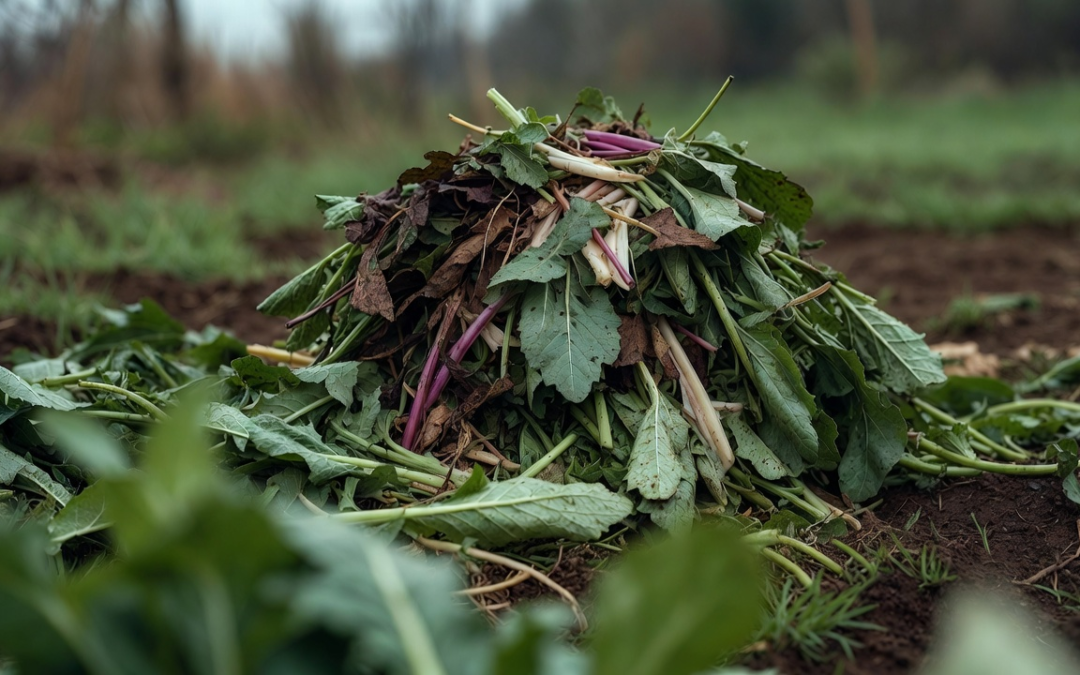
In Janzy’s lost gardens, the Lily of the Valley had completely taken over. It was absolutely everywhere, aggressively swallowing up the beds and burying the stone walking paths entirely. Lily of the Valley is a beautiful, fragrant flower, filled with nostalgia. But there were hundreds upon hundreds of them. To save the rest of the garden, I had to do something that felt terribly wrong at first: I had to reconcile weeding them out by the handful and throwing them into the compost pile.
Any seasoned grower will tell you that an unpruned garden eventually becomes its own undoing. Left to its own devices, a plant will send out branches until it chokes out its own light. It will waste precious energy trying to sustain weak, crossing wood, leaving the main root system exhausted and vulnerable. The leaves grow smaller, the blooms grow scarcer, and the plant suffers from a slow, crowded burnout.
In the garden, pruning is not a punishment. It isn’t a sign of failure or a declaration that a branch is inherently bad. Pruning is an act of preservation. It is the conscious, calculated decision to remove the good to make room for the great. To grow anything beautiful, you have to decide what not to grow.
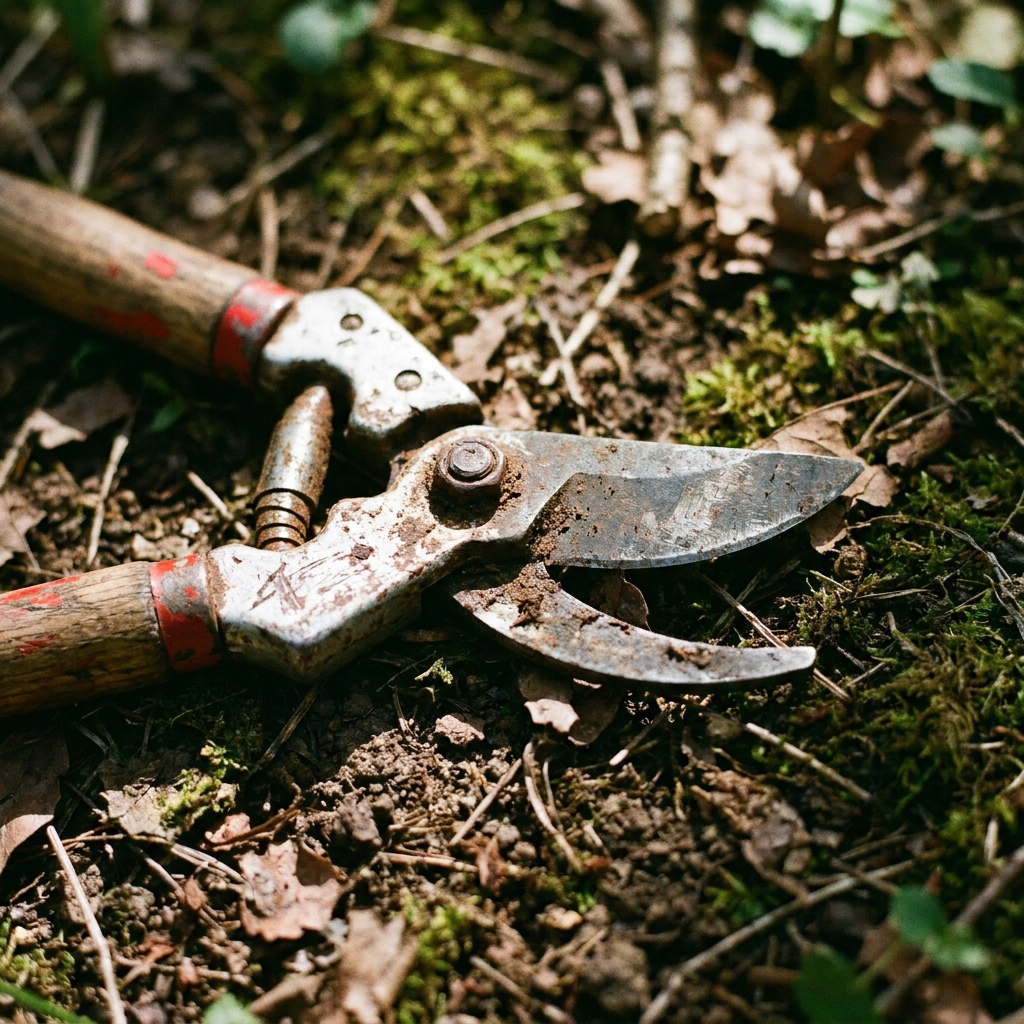
Yet, outside the garden gates, we struggle mightily with this concept. We live in a world that glorifies the unpruned life. We treat our time and energy as if they are infinite resources, spreading ourselves so thin that we have nothing left to feed the roots of our lives.
For over thirty years, my canopy was massive. I was growing in every single direction, fueled by a deep love for literacy and school leadership. But if you have ever stepped foot inside a school, you know it is an environment of infinite demands, built on a beautiful but dangerous premise: do it for the children. And so, you say yes. You say yes to the Learning Team, yes to summer educational plan writing, yes to the late-night administrative meetings, and yes to carrying the emotional weight of hundreds of families on your shoulders. This was especially true in my tough urban school, where teacher shortages meant new, overwhelmed educators were constantly placed in my care, needing strong, daily support just to survive.
But that massive professional branch was not all I was balancing. Behind the scenes, the rest of my life was demanding an extraordinary amount of light.
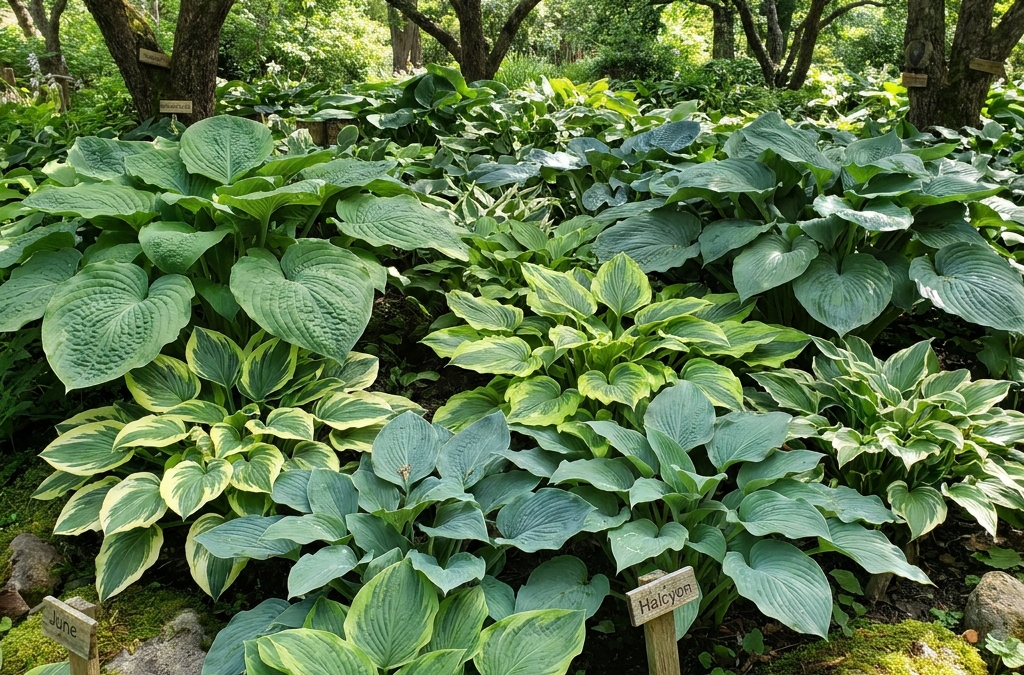
At home, our autistic son was navigating the monumental, exhausting transition from child to adult. I also held guardianship of my nephew, who has autism and required my steady support. Then, the universe tested our boundaries completely: my brother, who also had autism, faced homelessness in Las Vegas, so we brought him across the country to live with us. He was with us for a few years, and during that window, Paul and I desperately wanted to launch our specialty hosta farm. We were actively planning it, but the weight of our daily reality was simply too much, forcing us to put the business on hold.
When my brother went into total renal failure, he stayed with us at home until he became so profoundly ill that we could no longer safely care for him ourselves. Even though we were no longer his hands-on caregivers, the administrative and emotional toll was immense. I became his care coordinator—fighting through the bureaucracy to get him under the auspices of MyChoice, navigating the complex system to get him signed up for SSDI, securing state insurance, and constantly managing his care with a team of social workers. It took an incredible amount of hours, energy, and spirit. He passed away just six months after entering renal failure.
It was the spring after he passed away that we finally launched Little Village Hosta Farm—now in our third year of existence. But back then, there were so many people I was supporting, so many crises to solve, and so many branches pulling at my limited energy that I felt like I was losing my grip on what my life was supposed to be. I didn’t want to let go of my urban school district. I loved those students with everything I had. But a canopy that crowded cannot survive; the main trunk will eventually snap under the weight. You reach a point where you realize that trying to do a million good things is keeping you from doing what you were truly meant to do with absolute excellence.
Stepping out of that massive, institutional machine wasn't an easy decision. It felt like cutting back a deeply established, highly visible branch of my identity. But it was a necessary pruning.
By cutting back the administrative noise, I was able to redirect that life energy into what truly matters to my core. Today, that looks like providing deep, targeted reading intervention services to twenty-two children who truly need a champion, while simultaneously building this hosta farm alongside my husband. By saying no to the sprawling corporate structure of education, my ability to impact individual lives—and my own joy—was allowed to thrive in a healthier, more focused space.
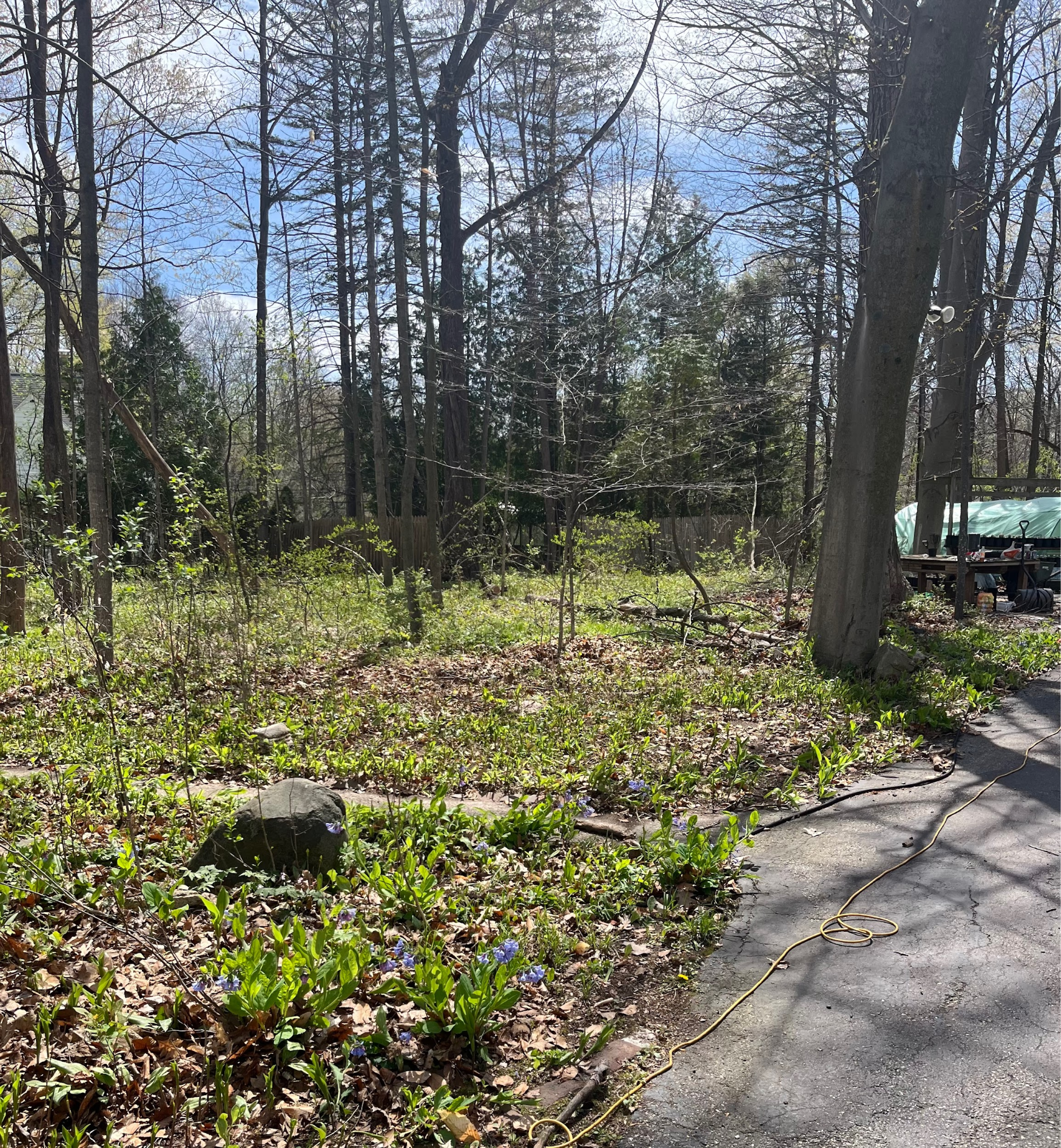
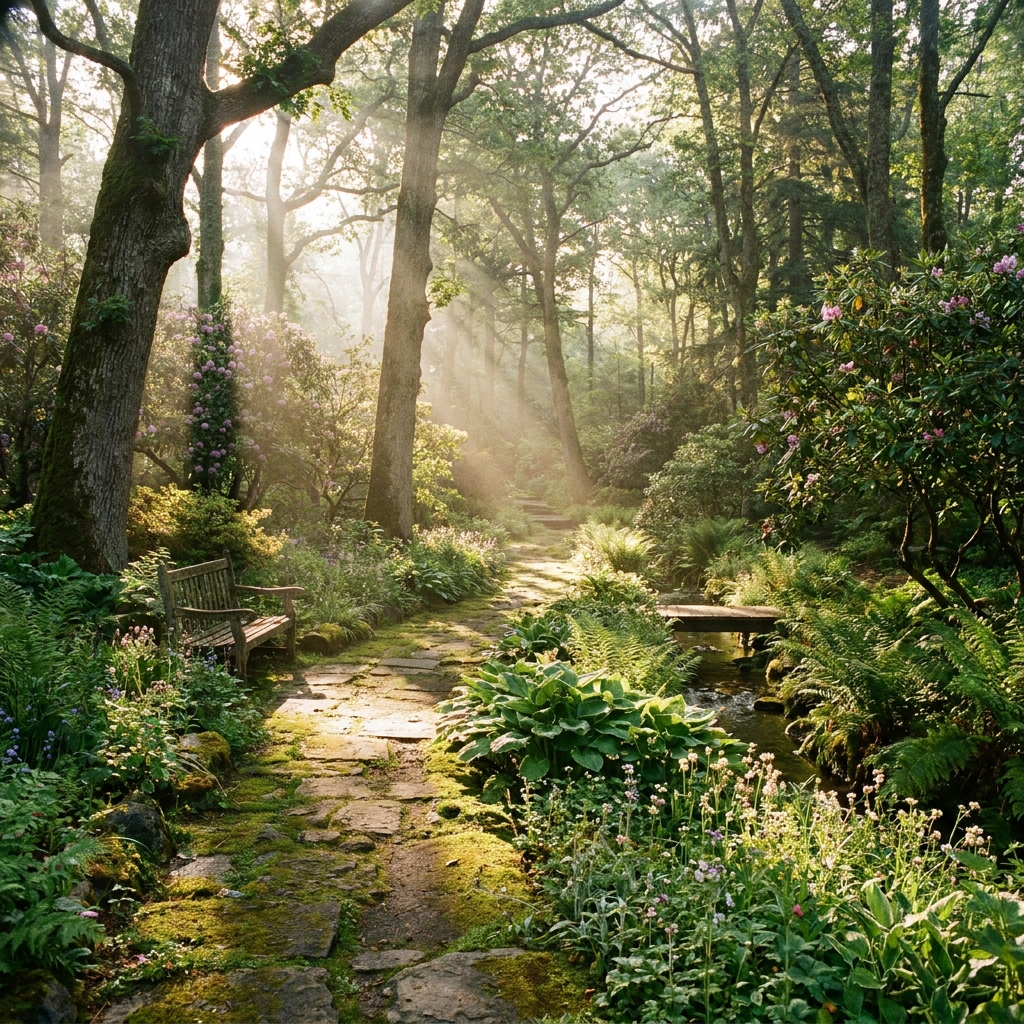
We face the exact same lesson every day as we continue to rehabilitate these woods. If we tried to restore all five acres simultaneously while running a business and caring for our family, the quality of everything would suffer. We have to learn to prune our expectations, to look at a stretch of overgrown woods and actively choose to say, "Not this year." We have to prune away the guilt of leaving certain projects in the shade so that the beds we do touch can receive our full attention, our conditioning, and our care.
Saying "not yet" is a form of pruning that keeps your business, your sanity, and your relationships healthy.
Truthfully, I am still trying to sustain too many branches. The habit of overgrowing is a hard one to break. But leaving behind the heavy administrative toll of my old school district is no longer one of them. And now, having finally made that agonizing cut, I am using this season to get my own personal branch back into better health.
Take a look at your own life layout today. Are you trying to sustain too many branches? Are you pouring your limited energy into crossing lines, dead wood, or commitments that you only keep out of obligation, habit, or guilt?
If you feel overwhelmed, exhausted, and crowded out of your own life, it might be time to pick up the shears. Look at your calendar, your commitments, and your energy levels through the eyes of a master gardener. Ask yourself: What do I need to cut away so that what matters most can actually bloom?
Do not fear the cut. The space it leaves behind isn't empty—it is simply room to breathe, to grow, and to become what you were truly created to be.