Breaking the Rules: The Science and Secrets of Sun-Tolerant Hostas
Disclaimer: As an Amazon Associate, I earn from qualifying purchases.
If you walk into any traditional garden center and ask where to plant a hosta, the answer is always a swift, reflexive point toward the deepest shadows. For decades, we’ve been told that hostas are the undisputed queens of the shade, meant only for the quiet, cool understory of a mature canopy.
But if there’s one thing I’ve learned from years of working the dirt here at Little Village Hosta Farm—and from a lifetime of navigating a brain that doesn't always follow the standard rulebook—it’s that nature loves to break its own constraints.
One of the most frequent questions Paul and I get from visitors walking our paths is: “I have a spot that gets hit by a blazing afternoon sun. Can I put a hosta there?”
For a long time, the textbook answer was a firm no. We’ve all seen the tragic results of a shade-loving hosta left to bake in the July heat—the bleached, papery edges, the crispy leaves, and the look of a plant completely overwhelmed by its environment. It looks a lot like burnout.
But nature is incredibly adaptive. There are certain hostas that don't just tolerate the sun; they actually look their absolute best in it. You just have to know what to look for, and it all comes down to a beautiful mix of plant anatomy and genetics.
The Secret Armor: Thickness and Texture
If you are looking at a hosta and trying to figure out if it can handle the sun, the first thing you should do is feel the leaf.
Thicker, leathery, or heavily puckered (rugose) leaves act like a plant’s personal water reservoir. In the blazing sun, a thin-leaved hosta will lose its moisture to evaporation almost instantly, causing the edges to scorch. But a hosta with a heavy, thick substance has the structural armor to lock that moisture deep inside the leaf cells, resisting the heat.
Just like our plants need structural shields to handle the open sky, we gardeners have to protect our own skin when we step out of the canopy. Packing a high-performance broad spectrum sunscreen in your garden bag is essential before tackling those exposed south-facing beds. Pair it with a lightweight, breathable widebrim sunhat to keep the glare off your face while you work.
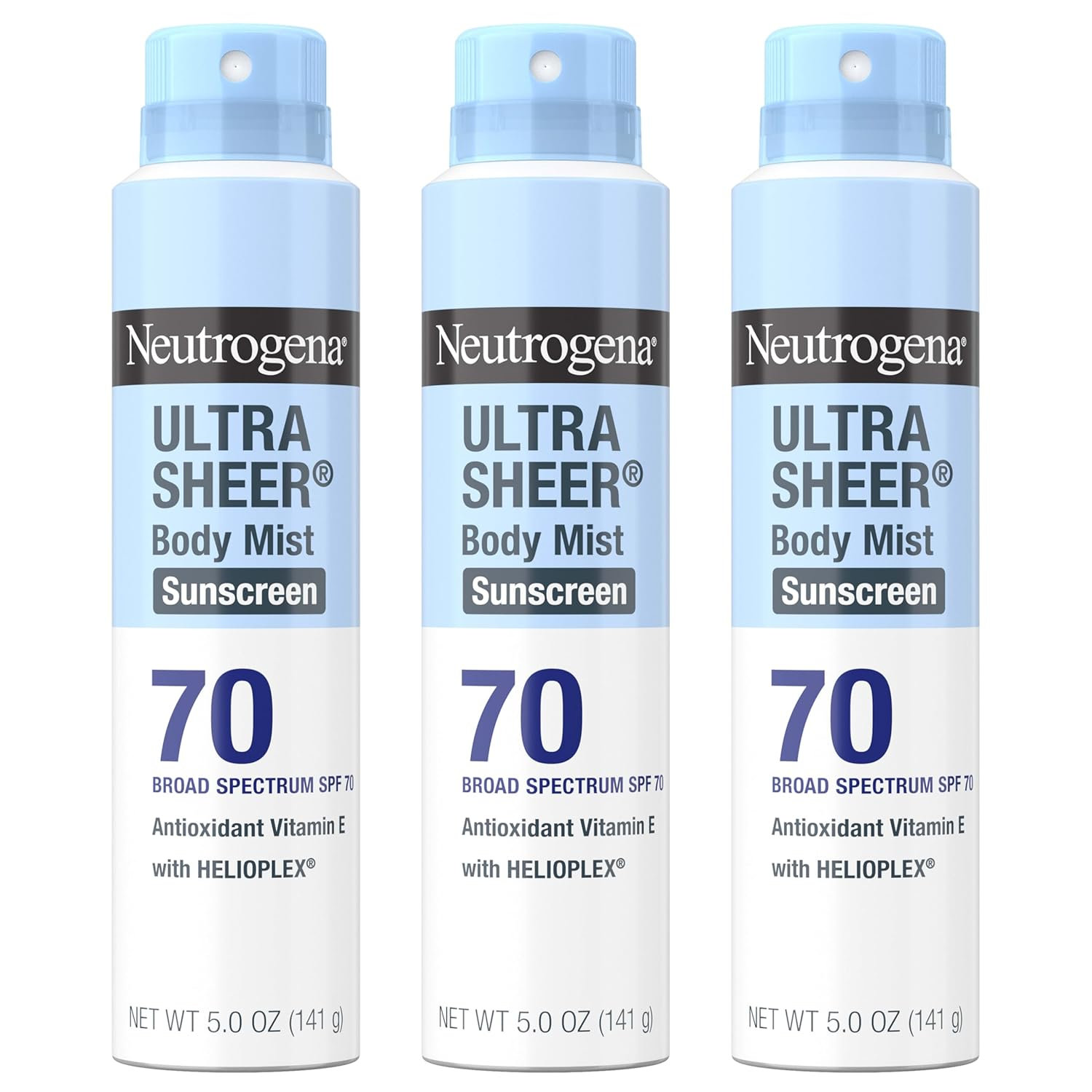
Check price on Amazon here: https://amzn.to/4fIQz3P

Check price on Amazon here: https://amzn.to/3TOz8Yj
Color matters just as much. As a general rule, you want to keep your deep blue hostas in the shade. That blue hue isn't actually in the leaf itself—it’s a delicate, waxy coating that covers a green leaf. When the hot afternoon sun hits a blue hosta, it can melt that wax right off, turning the plant a dull green and leaving it exposed to sunburn.
Gold and yellow hostas, on the other hand, are sun-worshippers. They possess a unique trait: they need sunlight to trigger their brilliant pigments. If you plant a gold hosta in deep shade, it will often languish in a dull, chartreuse funk. Put it in the sun, and the light coaxes out a spectacular, glowing gold.
The Stars of Little Village: Sun-Tolerant Champions We Love
Right now at the farm, we grow some incredible varieties that showcase exactly how hostas adapt to the light. If you have a bright, sunny spot in your landscape, these are the characters you want to introduce to your soil:
1. The Glowing Sentinel: 'August Moon'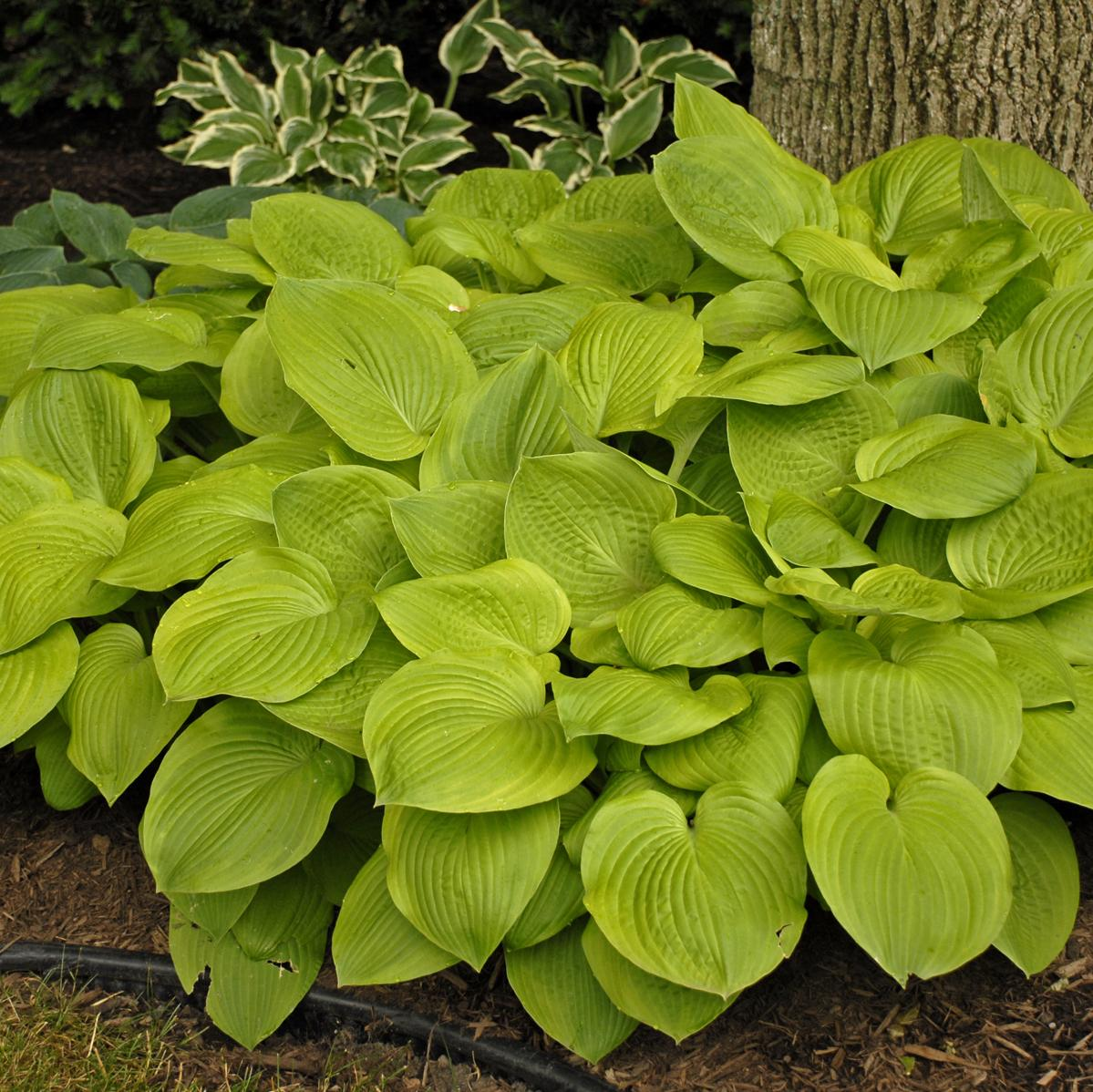
Walters Gardens, Inc
True to its name, 'August Moon' features beautiful, heart-shaped leaves that turn a brilliant, luminous greenish-gold. It features a wonderfully crinkled, puckered texture. That rough texture isn't just for show—those ridges help dissipate heat and hold onto moisture, making it an absolute champion in the midday sun.
2. The Unstoppable Giant: 'Sum and Substance'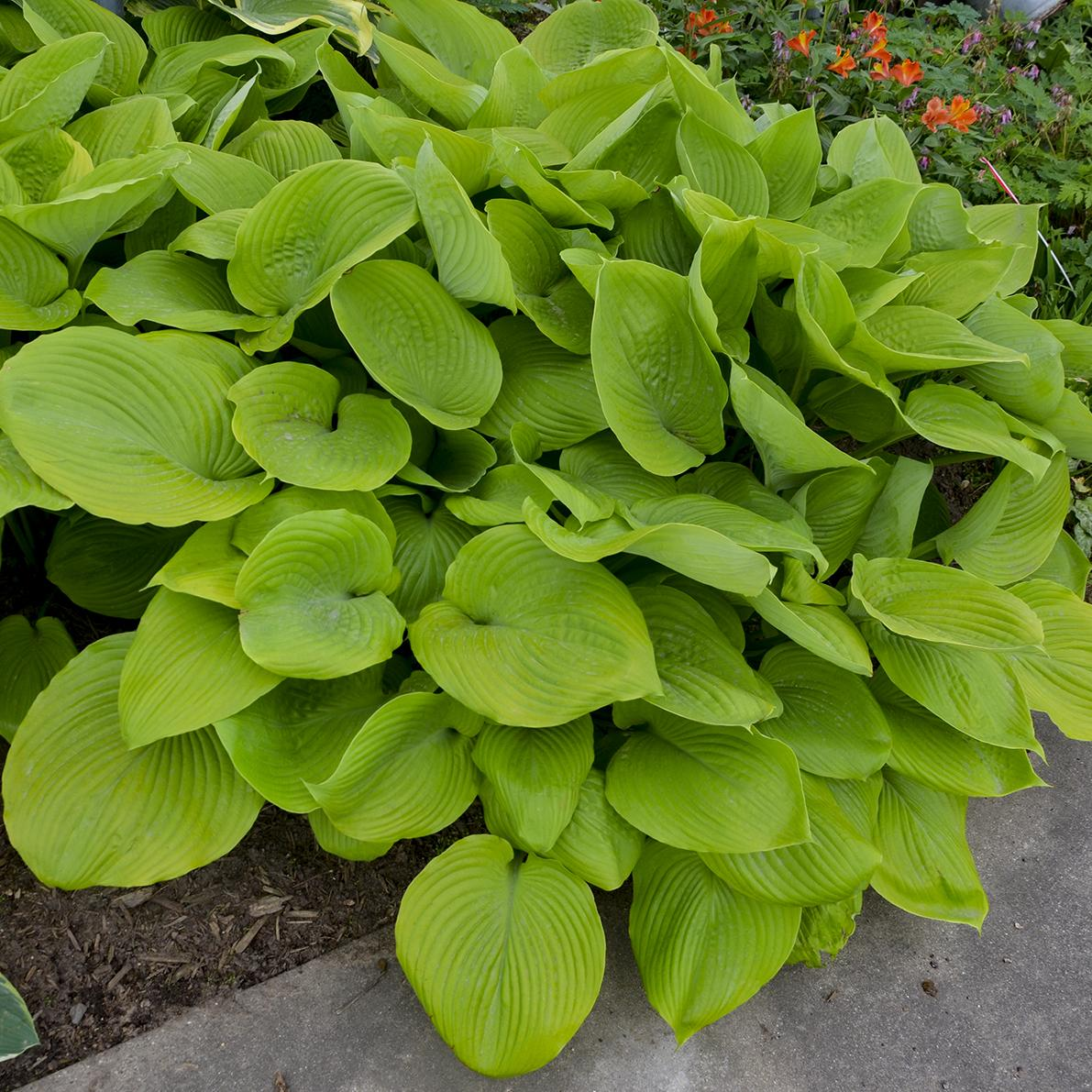
Walters Gardens, Inc
This is the heavyweight champion of the hosta world. 'Sum and Substance' commands the sun because its leaves are incredibly thick, glossy, and massive. It creates a physical shield against the heat. Placed in a sunny location, its chartreuse color brightens into a breathtaking, glowing apple-gold that catches the late afternoon light beautifully.
Getting a mature giant or a drift of heavy, sun-loving varieties into the ground takes some serious labor. To save your lower back and knees from the strain of bending over sunny borders, rolling through your projects on a heavy-duty lets you plant, weed, and mulch at a comfortable height with your tools right underneath you.
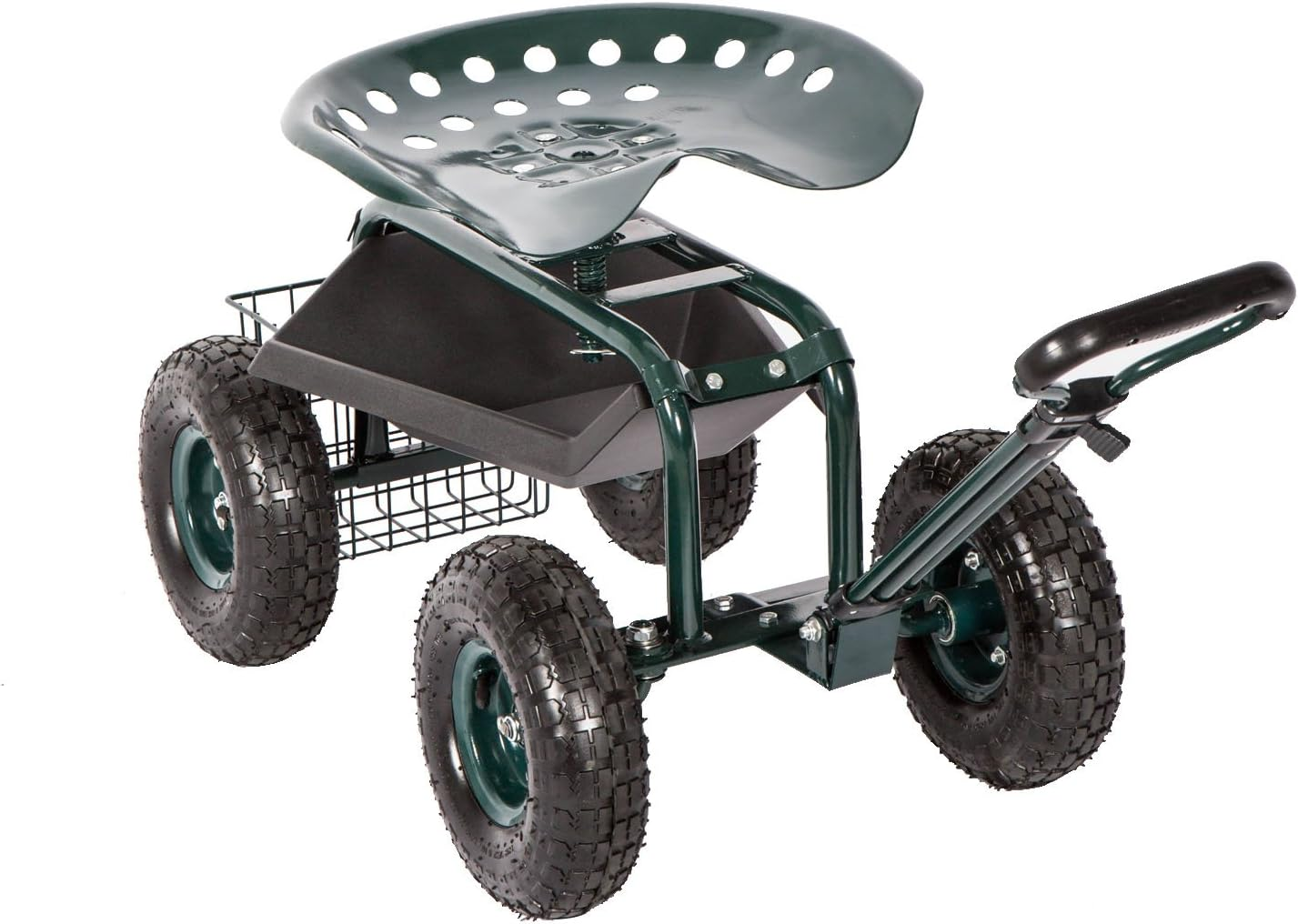
Check Price on Amazon Here: https://amzn.to/4hFcQlK
3. The Crisp Contrast: 'Patriot'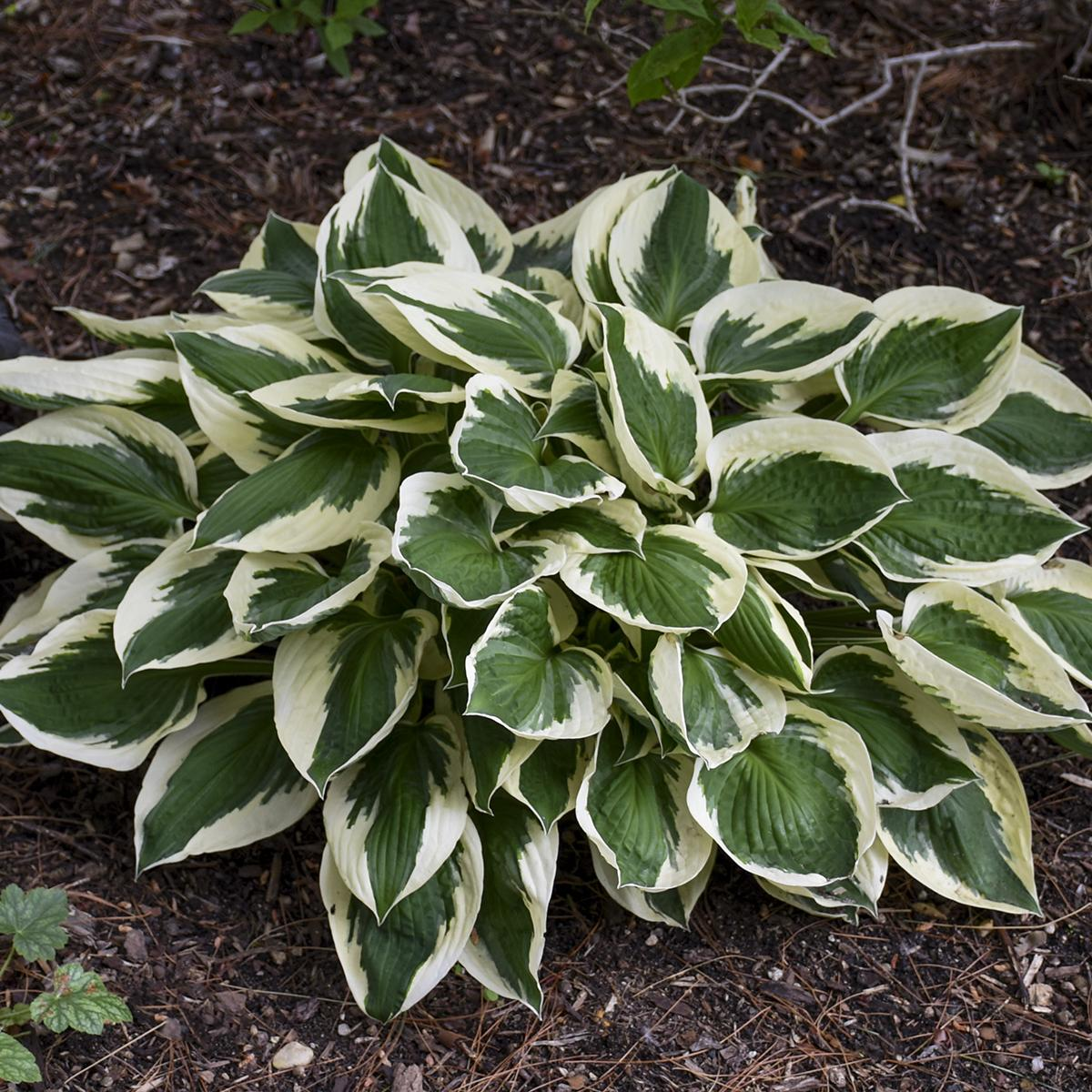
Walters Gardens, Inc
Now, 'Patriot' breaks the traditional color rules. It features deep green centers with a shockingly crisp, wide white margin. Normally, large white borders are the first to scorch in the sun because they lack chlorophyll. But 'Patriot' is a genetic marvel. It is exceptionally sun and heat-tolerant for a variegated variety, holding its sharp, patriotic contrast all through the dog days of summer without melting.
4. The Sweet Aroma: 'Guacamole'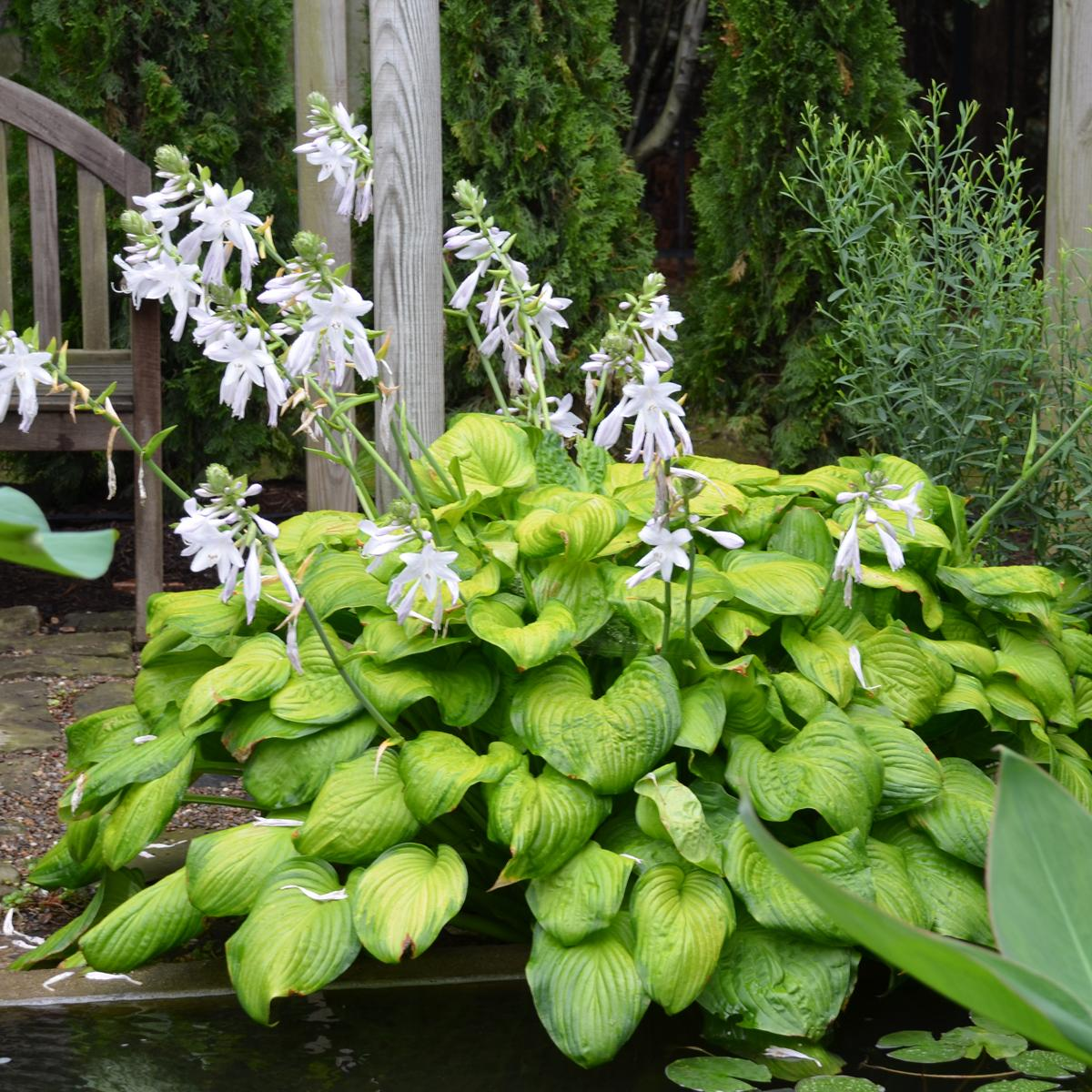
Walters Gardens, Inc
This variety is an absolute favorite of mine. If you want a hosta to survive the sun, look for the fragrant varieties. These plants trace their ancestry straight back to Hosta plantaginea, a species native to the warm regions of China that thrives on summer heat.
'Guacamole' features brilliant apple-green centers with dark green margins. It actually needs a good dose of sunlight to bring out those intense, appetizing colors. In deep shade, it stays a dull green. In the sun, it performs a beautiful transformation—and by late summer, it rewards you with massive, white flowers that fill the evening air with a perfume that smells like heaven.
5. The Frosty Exceptions: 'Halcyon' and 'June'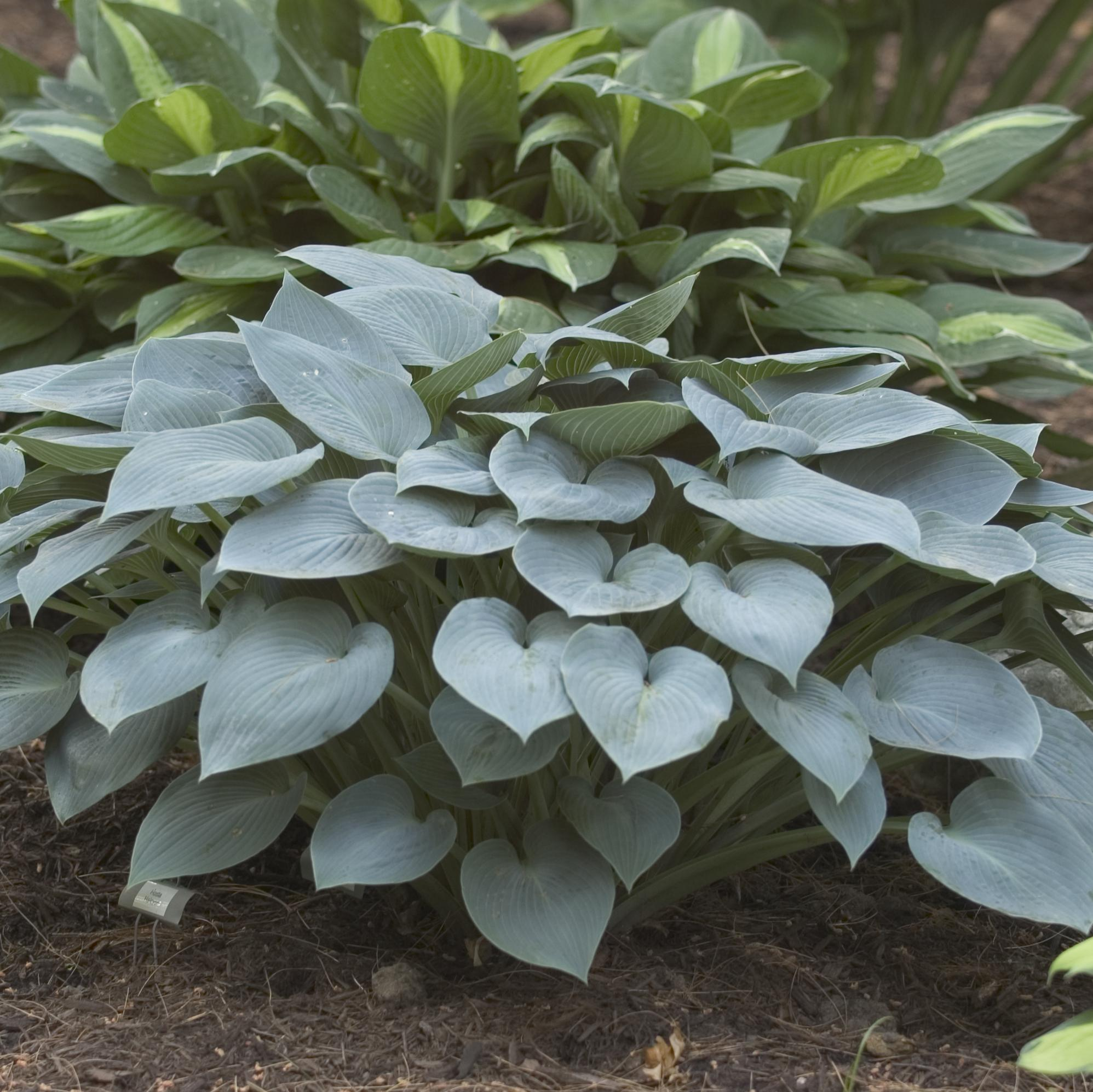
Walters Gardens, Inc
Remember how I said to keep blue hostas out of the heat? 'Halcyon' is the legendary exception. Because its steel-blue leaves are exceptionally thick and heavy, it holds onto its waxy blue coating much better than other blue varieties, handling morning sun like a champ.
And then there is 'June', a spectacular sport mutation of Halcyon. 'June' features a brilliant gold center framed by a frosty blue-green border. We have carried 'June' in the past, and I am already planning to bring it back to the farm next year because it loves the light. When you give 'June' a decent amount of morning and midday sun, it rewards you by brightening its golden center to a spectacular neon glow while keeping its classic, tough leaf substance intact. 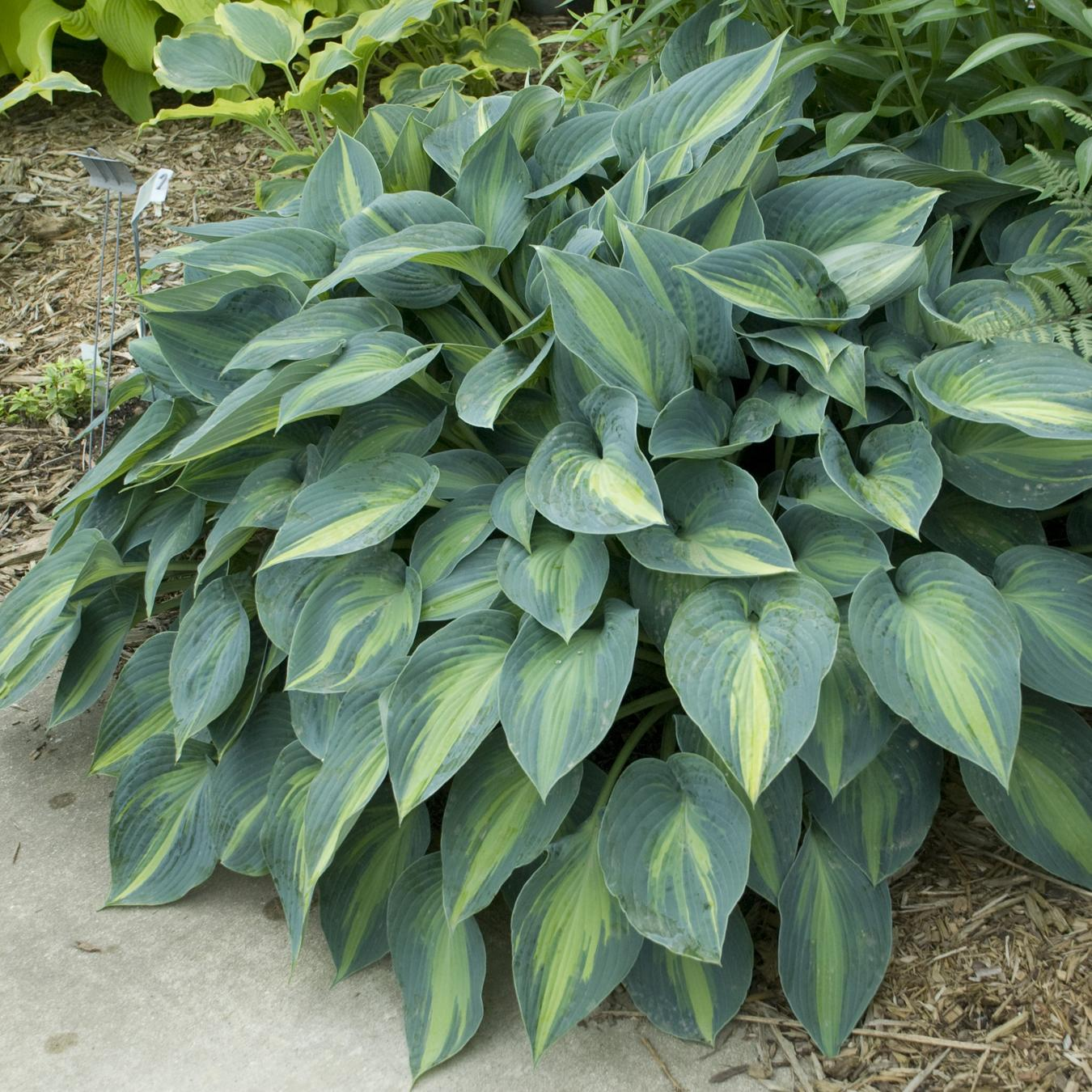
Walters Gardens, Inc
Varieties to Watch For: The Future Wishlist
As we continue to grow and expand our collection each year, Paul and I are always hunting for the next great sun-tolerant additions. Here are a couple of highly marketed sun-worshippers I have my eye on for future seasons:
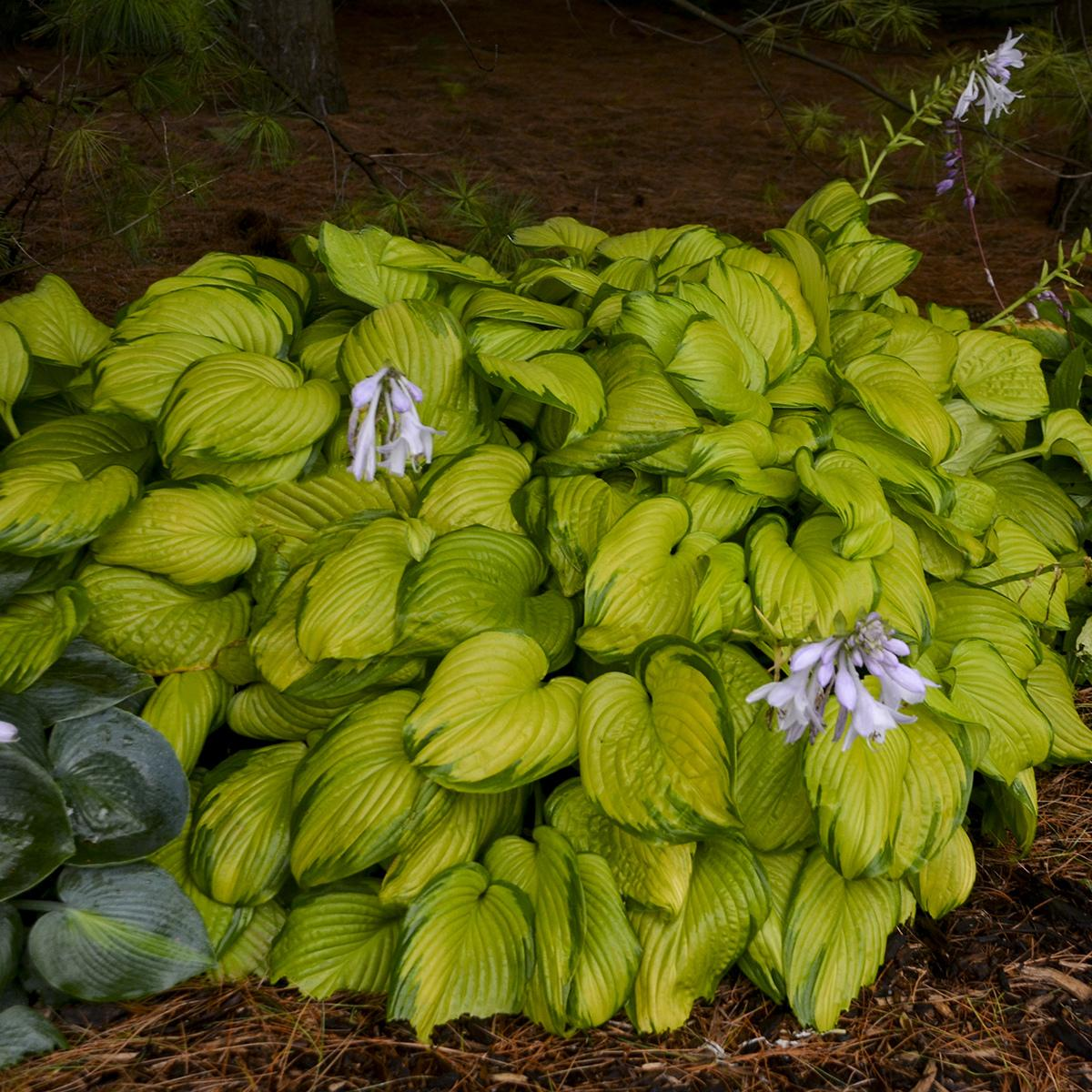
- 'Stained Glass': A sibling to 'Guacamole,' this variety glows with an incredibly bright, intense gold center that looks like sunlight passing through cathedral glass. Like its relative, it features fragrant August blooms and craves the heat to wake up its color.
Walters Gardens, Inc
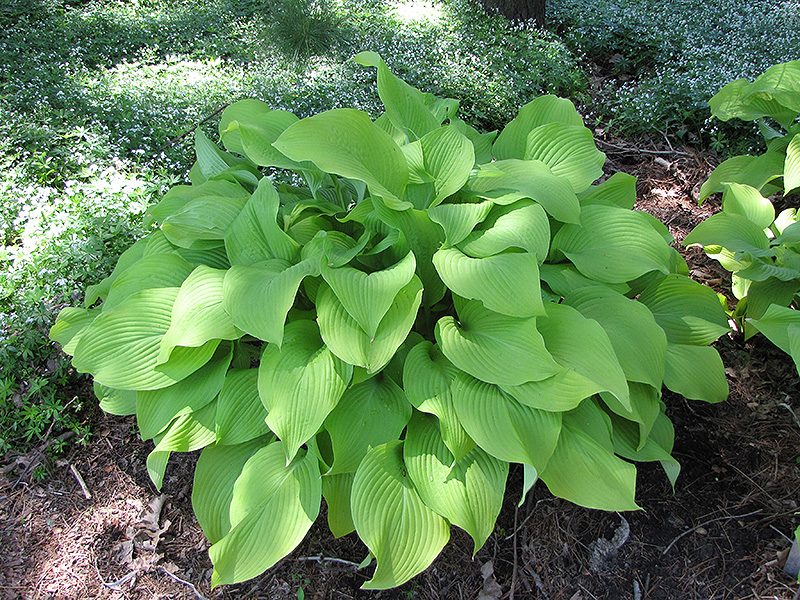
- 'Sun Power': A legendary variety among hosta collectors. It forms a massive, upright mound of intensely wavy, pointed leaves. 'Sun Power' emerges bright yellow early in the season and stays that way, holding its brilliant chartreuse-yellow color even in intense afternoon sun.
The Sun-Tolerance Contract
Even the toughest, thick-leaved hosta cannot brave the sun alone. If you are going to plant them out in the open, you have to make a gentle contract with them: You are trading shade for water.
Sun-drenched hostas require a steady, deep supply of moisture to keep their leaves hydrated. Out here on our property, a heavy layer of wood mulch is non-negotiable for sunny beds. The mulch acts like a cool blanket, locking the moisture into the soil before the sun can steal it away.
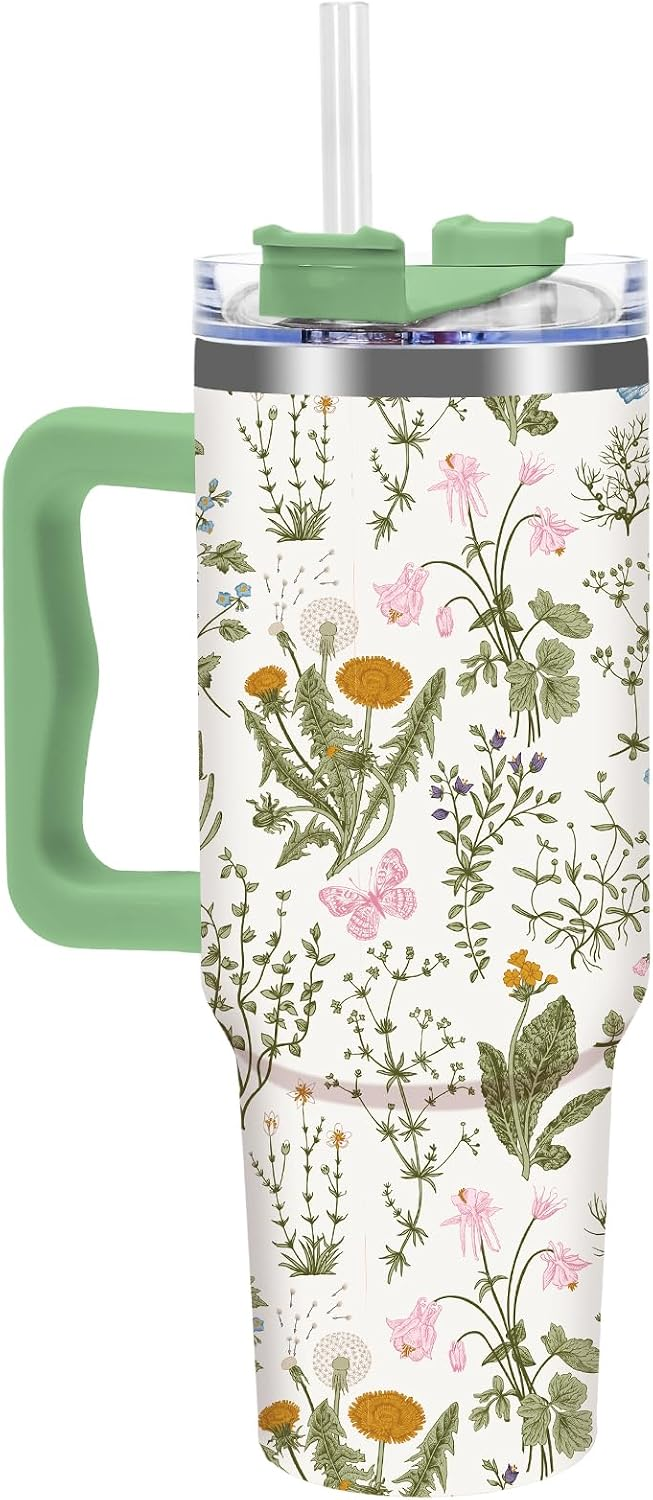
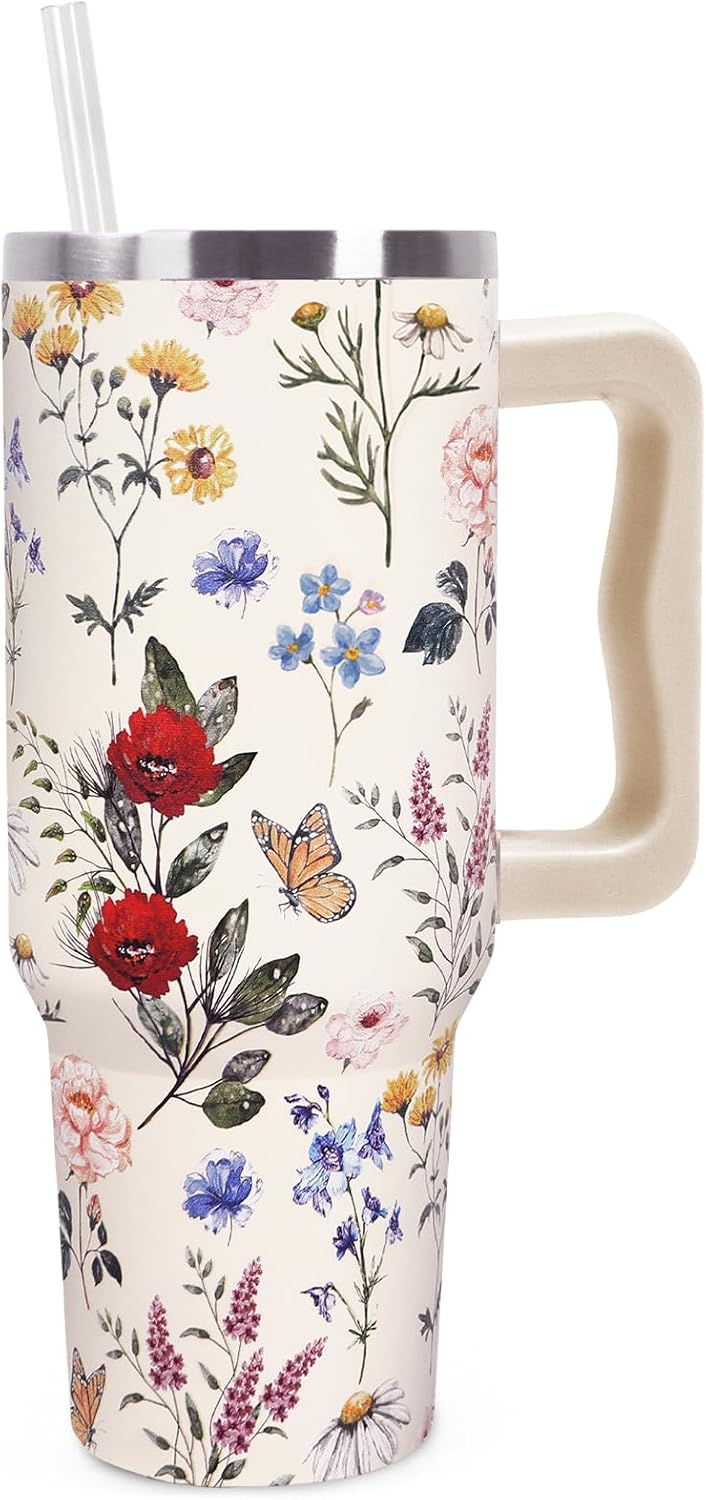
While your plants are drinking deep to stay hydrated under the sun, you need to do the same. Keeping an ice-cold beverage right by your side in an insulated wildflower botanical tumbler is the perfect way to honor that contract, ensuring your iced coffee or water stays freezing cold even during a long afternoon of mulching.
So, if you have a bright, open space in your yard that needs some life, don’t count hostas out. Look for the thick leaves, welcome the golds, and remember that sometimes the most beautiful things grow when they step out of the shadows and into the light.
 Check price on Amazon here: https://amzn.to/4q1hCMI
 Check price on Amazon here: https://amzn.to/4x925N8


0 Comments