Embracing the Imperfect Slide: What a Hosta Meeting Taught Me About Imposter Syndrome
If you had told me a few years ago that I would be standing in front of a room full of fellow plant lovers talking about running a home-based specialty plant nursery, I probably would have smiled, nodded, and quietly wondered if they had the right person. After a lifetime spent in education—working as a reading specialist, literacy leader, and instructional coach—stepping into the world of horticulture felt a lot like walking into a room without my lesson plan.
Before our recent presentation at the local hosta society meeting, I found myself wrestling with a familiar, stubborn pang of imposter syndrome. I’m completely comfortable talking in front of people, but the subject matter was the wrench in the gear. I couldn't stand up there and claim some untouchable, master-level expert knowledge on hostas because, frankly, I am still learning every single day. There is so much I simply don't know yet.
When I was venting about these feelings while prepping for the trip with my middle son Ryland—that kid whom I sometimes look at and quietly wonder how he's going to navigate the world—he completely surprised me. He looked right past my anxiety and said something so profound it stopped me in my tracks: people need to see the imperfect version of you.
The Power of the Messy Truth
We live in a digital age governed by curated highlight reels. We see pristine product photos, flawless morning routines, and businesses operating like frictionless machines. It’s easy to internalize the myth that everyone else has it all figured out. But as my son so wisely reminded me, holding yourself to a standard of untouchable perfection creates a barrier. When you let people see that you don't have all the answers, it invites relief and genuine connection.
And boy, did I lean into the imperfection.
While I might spend my days helping people master language arts, even a former literacy expert isn't immune to a rogue typo. Sure enough, right there on one of my presentation slides, a spelling error slipped through. Naturally, my husband caught it and made sure to poke fun at me for it. But instead of cringing, I leaned into it. It got the room laughing, broke the ice completely, and set the tone for the rest of our time together. 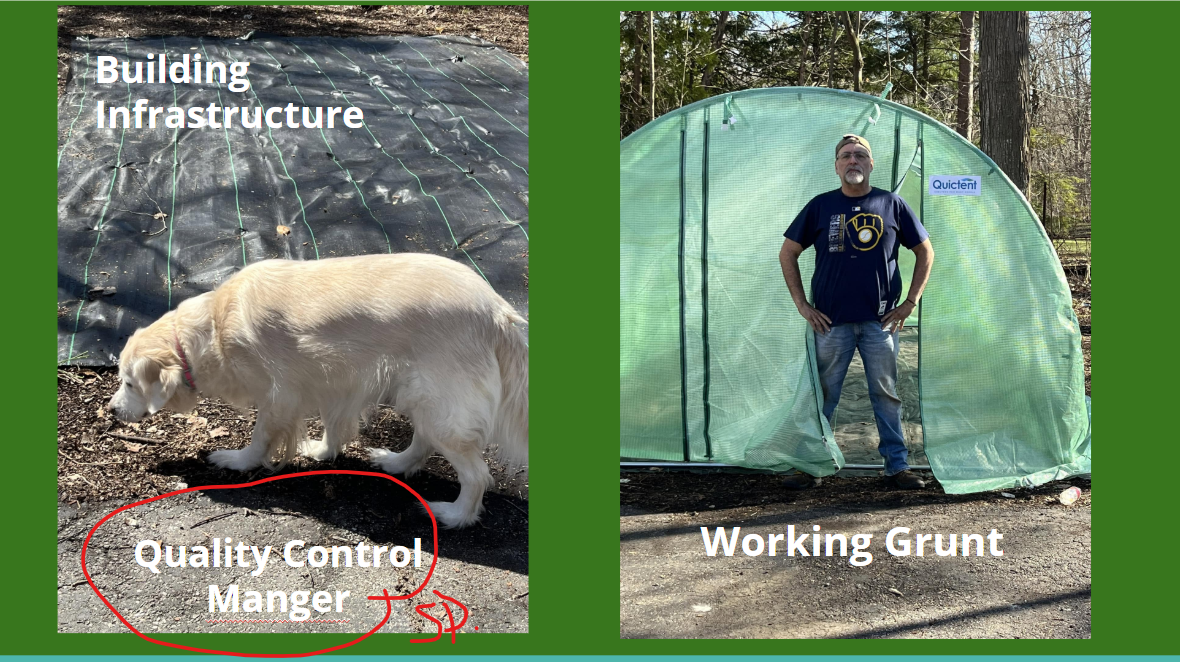
Telling Our Story—Trumpet Vines and Raccoon Raves
We quickly realized during the talk that we didn't need to fake being infallible encyclopedias of botany. We just needed to tell our story—because that was the one thing we were absolute experts on. We lived it.
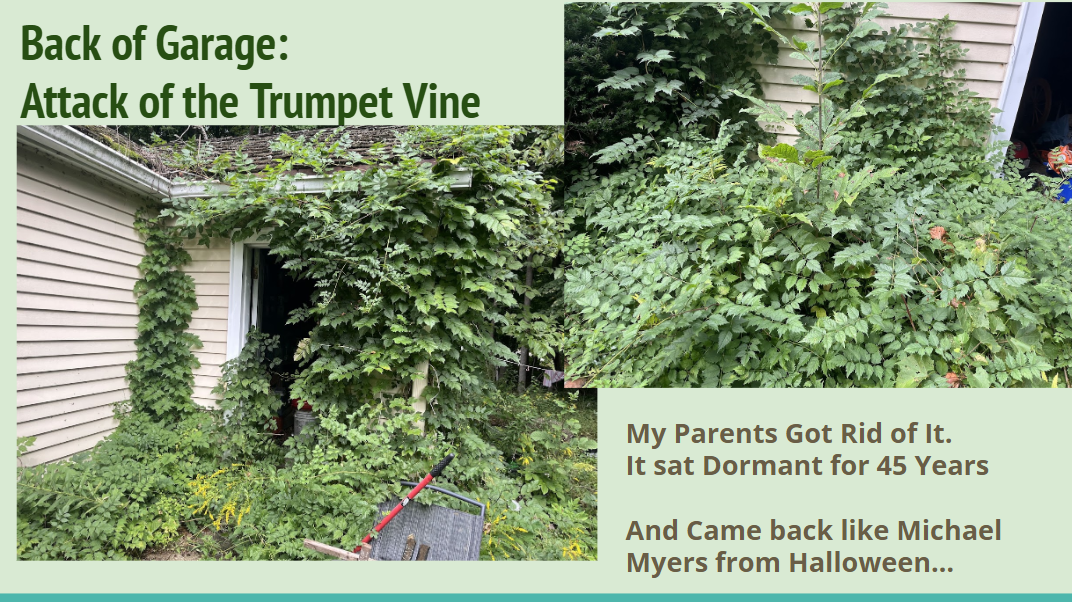
The audience loved the realness of it. When we showed "before" photos of the wilder, overgrown sections of our property—complete with a dramatic trumpet vine staging a full-scale takeover—there were audible gasps and immediate nods of recognition from fellow gardeners who knew the struggle all too well.
By admitting right out of the gate that we didn't have all the answers, something wonderful happened: we became approachable. Because we weren't standing up there pretending to be untouchable gurus, people felt comfortable stepping forward. Both in person after the talk and in messages sent later, fellow gardeners reached out to share their own battle-tested advice—recommending specific products for slug control and battle-axes for slaying monster trumpet vines. By letting go of needing to know it all, we allowed our audience to step into the expert role on the things we were still figuring out, turning a one-way lecture into a genuine exchange of wisdom.
That openness opened other doors, too. I even had one woman come up and ask about reading intervention for her granddaughter—proving that you just never know when an ordinary, vulnerable conversation will spark a brand-new connection.
Belonging, Purpose, and Quiet Pride
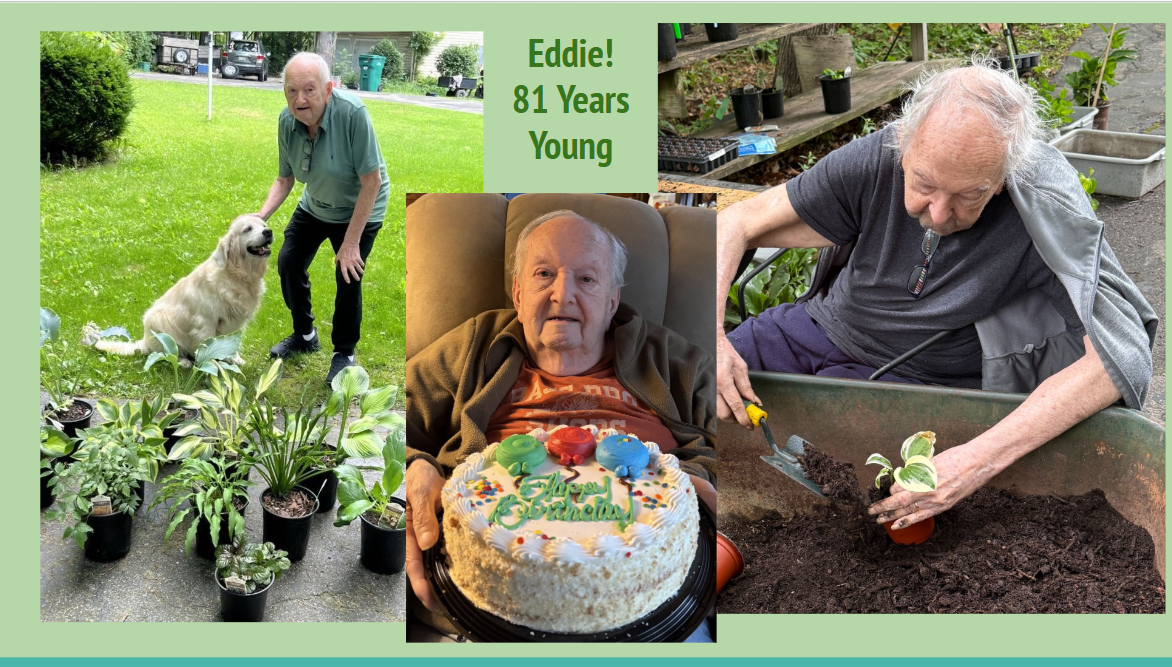
As wonderful as the presentation was, the most meaningful part of the entire night had nothing to do with us on stage. Having my father-in-law, Ed, there with us was an absolute highlight. Navigating life with dementia can often narrow a person's world, but that evening, Ed was simply a part of something vibrant and alive. People came up to him afterward, shook his hand, and asked him questions. Seeing him light up, feel useful, and remember what it means to truly belong somewhere was worth more than a hundred polished presentations.
Later, Ed shared something quiet and profoundly touching with me. He mentioned how proud he was of Paul, saying how nice it was that Paul followed in his footsteps and learned so much about hostas. While I kind of wish he had told Paul directly, getting to be the bridge for that kind of quiet, proud praise made the whole journey unforgettable.
Letting Go of the Filter
At the end of the day, whether you're teaching a reading lesson, running a plant nursery, or standing at a podium talking about dirt, perfection is overrated. Letting people see the typos, the dead plants, the weed-choked garden beds, and the messy middle isn't a weakness—it's an invitation to connect. So go ahead and embrace the spelling errors, laugh at your husband's jokes, and share the chaotic reality of your journey. That's usually where the best stories happen.

0 Comments