Weathering the Storms: A Journey of Hope and Hosta Farming
Weathering the Storms: A Journey of Hope and Hosta Farming
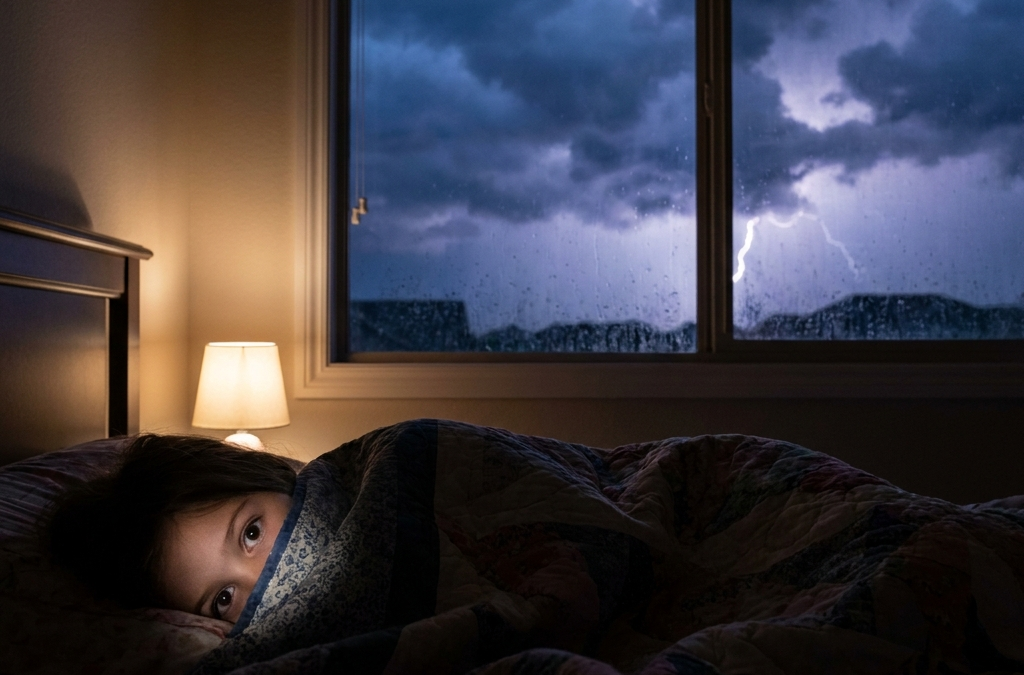
As a child, I loved a good thunderstorm. I remember laying in my bed, with the covers pulled up over my nose, only my eyes peering out from the blankets looking out my window. The storm approaching started slow…with only small flashes of light…and then silence for a minute or more until a low rumble of thunder finally reached my window pane. As the storm came closer the excitement built. The flashes were brighter, the silence was shorter and the rumble would build until it shook my windows. Flash after flash…until it felt like a freight train outside my window. I knew I was safe in my room…even if the power went out, it was ok. My parents would come to check on me and reassure me that all was well.
Now that I’m grown, storms are viewed differently. While I understand the rain is needed for my gardens, storms I do not look forward to. Sometimes we know they’re coming, and sometimes they pop up as an unexpected, and sometimes unwelcome surprise. Whether or not we know ahead of time about a storm is irrelevant. It’s coming. And it does damage.
Last summer we had what was officially classified as a 1,000-year flood, an event so severe it completely rewrote the Wisconsin record books. Menomonee Falls was the epicenter of this catastrophe in the Southeast Wisconsin area. Between 12 and 14 inches of rain fell in a single night where I live and across surrounding communities. The Menomonee River violently overflowed its banks, cresting at an all-time record high of 8.52 feet. Across our region, the storm left behind an estimated $170 million in damages. People’s basements flooded... with water sometimes reaching the first floor. People had to be evacuated. Cars were lost, homes were lost. The next weeks were filled with people moving the contents of their houses out to the curb. Some damaged by flood water or worse yet, sewage backup. People had to bleach every surface, remove carpeting and drywall, replace appliances.
My husband, a former firefighter, came upon a terrifying scene of a water rescue. A young man had been swept away by the raging currents, completely at the mercy of a river that had turned into a violent, debris-filled torrent. Paul’s training instantly kicked in—he knew how deceptively powerful moving water is, how quickly it can trap someone under the surface, and how every second counts in a swift-water situation. It was a breathless, harrowing moment as rescuers fought the current. This had a happy ending, thankfully. No life was lost, but plenty of damage was done.
We had flooding in our basement, but luckily not sewage. We did lose one water heater, had to bleach and clean the basement, remove drywall and clean leaves and debris from the floor. Amazingly, the plants in our sales area survived. But our customer base stopped cold. Many of our customers’ disposable income suddenly turned to repairing damage, replacing items, paying for disinfecting, new appliances, and replacing those objects that still stood at the curb waiting for pickup. Even if we had potential customers, they had a hard time finding us. With millions of dollars in damage to local public infrastructure, our road was closed due to a complete bridge washout just down the street. It took months for it to be repaired.
The ripple effect took hold of our small community. We had many plants that we went into winter with that had all gone according to plan, according to our hopes, should have been sold. Instead, we had to overwinter them. Hostas and other shade perennials actually require a period of prolonged cold—a process called vernalization—to reset their internal clocks and trigger beautiful new growth in the spring. But they need that cold to be steady. What we got instead was a winter of brutal temperature extremes.
March brought teasing 60-degree days that tricked the sleeping plants into thinking spring had arrived, waking them up and coaxing them to break dormancy. Then, the hammer dropped, and we plunged back below freezing. For plants stored in pots, this freeze-thaw cycle is a death sentence. Without the protective insulation of the earth, container-grown roots bear the full brunt of the shifting weather. The soil in the pots expands and contracts violently, tearing the fragile, waking root systems apart and leaving the crowns exposed to fatal rot.
We lost hostas over winter because of it. Dozens and dozens of them. It was already a heavy financial hit to carry the cost of sheltering, watering, and tending those plants for an entire extra year until this Spring. But it was an especially devastating blow to watch them die in their pots, leaving us with zero return on that initial investment. It hurt. There’s no doubt it hurt.
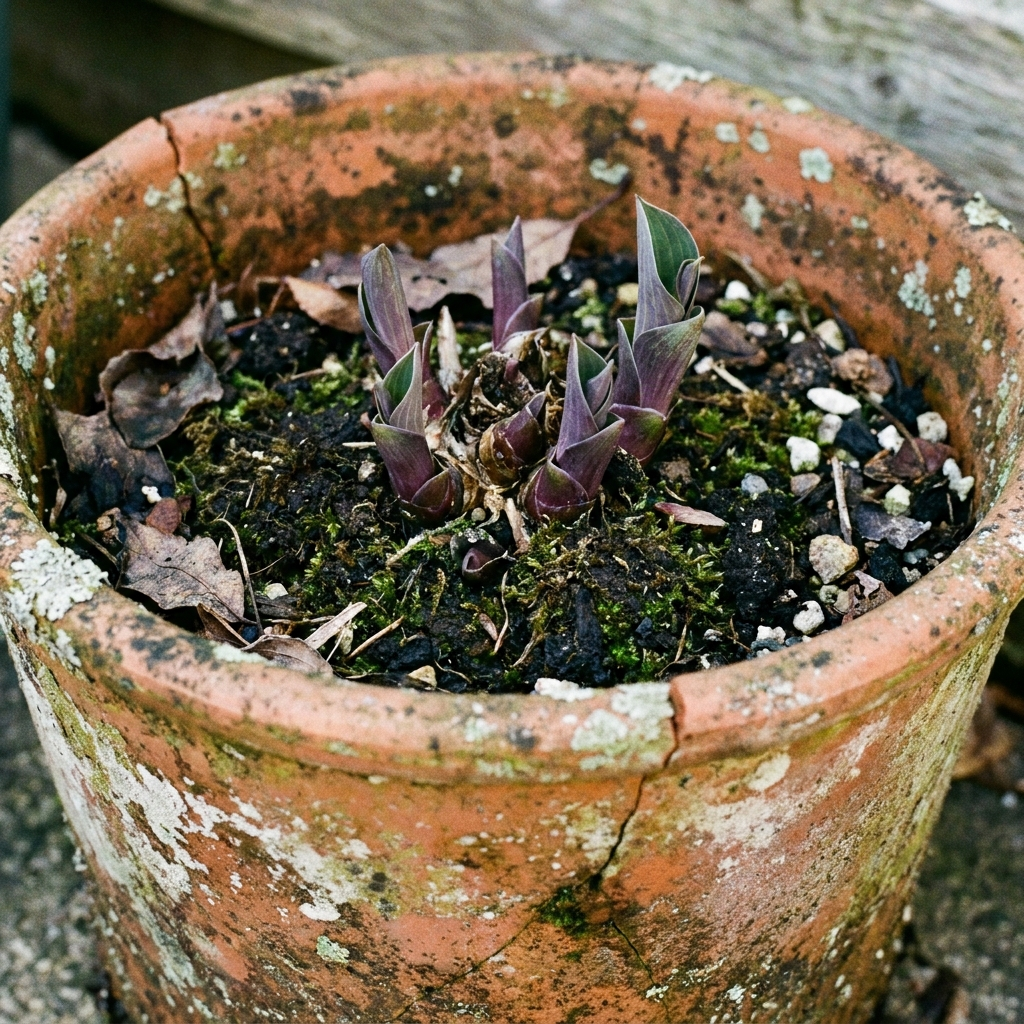
And yet, as Spring approached I held hope. Hope for a new year. Hope for a new sales season. Hope for recouping some monetary losses. Our sales this year have helped, though we still aren’t where we are supposed to be. Now the economy is hurting people. Gas prices, grocery prices, people have lost their health care coverage. People in my community are still hurting from last year’s losses. With purses tightened, people just don't have that extra spending money right now. I’m sure many local small businesses are hurting like we are.
They called last year’s disaster a 1,000-year flood, but they also called the disaster in 2008 a 100-year storm. By the math, those are supposed to be rare, historic anomalies. Yet, I remember 2008 clearly. My father got caught in that rain and had to take shelter at a local restaurant while trying to run errands. He watched helplessly as his car floated right down Appleton Avenue, a total loss.
The truth is, the weather statistics don't matter. Storms are going to come, and sometimes, those massive, life-altering storms come one right after another. You can be entirely hopeful, and things will still not go according to plan. Sometimes the very thing you pray never happens is the exact thing that hits you. People get cancer. We lose our loved ones. People lose jobs. We face debt, loss, and sudden accidents.
Paul and I have gone through our fair share of 1,000-year storms, both literal and metaphorical. We have survived all of them. The truth is, we didn't have a big circle of people to lean on—we have lost most of our people over the years. But we leaned on each other heavily, interlocking our arms against the current so neither of us would wash away. I’m not saying it doesn't take a toll—it takes a heavy toll on our bodies and a toll on our minds.
And let’s be honest: when you are standing in the middle of the wreckage, it doesn't feel sunshiny or inspiring. It feels exhausting. It is hard to keep hope when you are carrying the weight by yourself. There are days when it is just too much, and I want to tell you that it is completely okay to feel bad for yourself. It is okay to be furious at the world, to have a brief period where you just sit in the mud and throw your hands up in anger. You are allowed to completely lose your hope for a day. We aren't robots, and pain demands to be felt.
But once you’ve thrown the fit, and once you’ve let the tears fall, you have to dust yourself off. You can’t live in the wreckage forever. Eventually, it’s time to go back to hope.
It is a million times easier to find that hope when we work together—when we lean on friends, family, and neighbors during times of hardship. If you have people in your corner, let them help you hold the weight. And if you see a neighbor struggling in the mud, reach out a hand. We need each other.
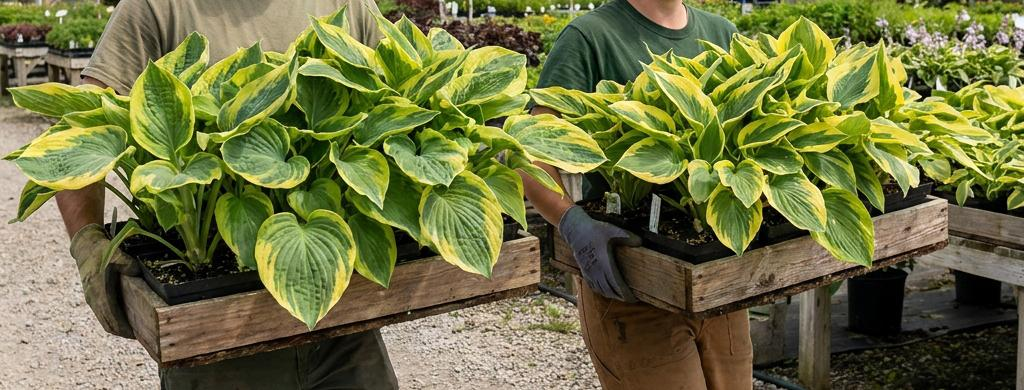
I choose hope. Not because it’s easy, but because the alternative is to give in to the hopelessness—to let the heavy weight of last year’s water pull us under and drown us permanently. And that’s the scariest place to be—standing in the dark, without a vision, without a tomorrow, believing the sun won't come back up. Without hope, the storms win before they even hit. I refuse to let them win. Hope is everything.
Because just like that little girl pulling the blankets up over her nose all those years ago, I know the noise outside can be terrifying. The windows might shake, and the power might go out for a while. But the storm will eventually pass, the morning will come, and we will still be here. So pull the covers up, give yourself grace for the hard days, hold onto each other tightly, and keep hoping. The ground is still there beneath the puddle, and eventually, the light will find the roots again.