Outsmarting the Slime: Which Hosta Slug Remedies Actually Work?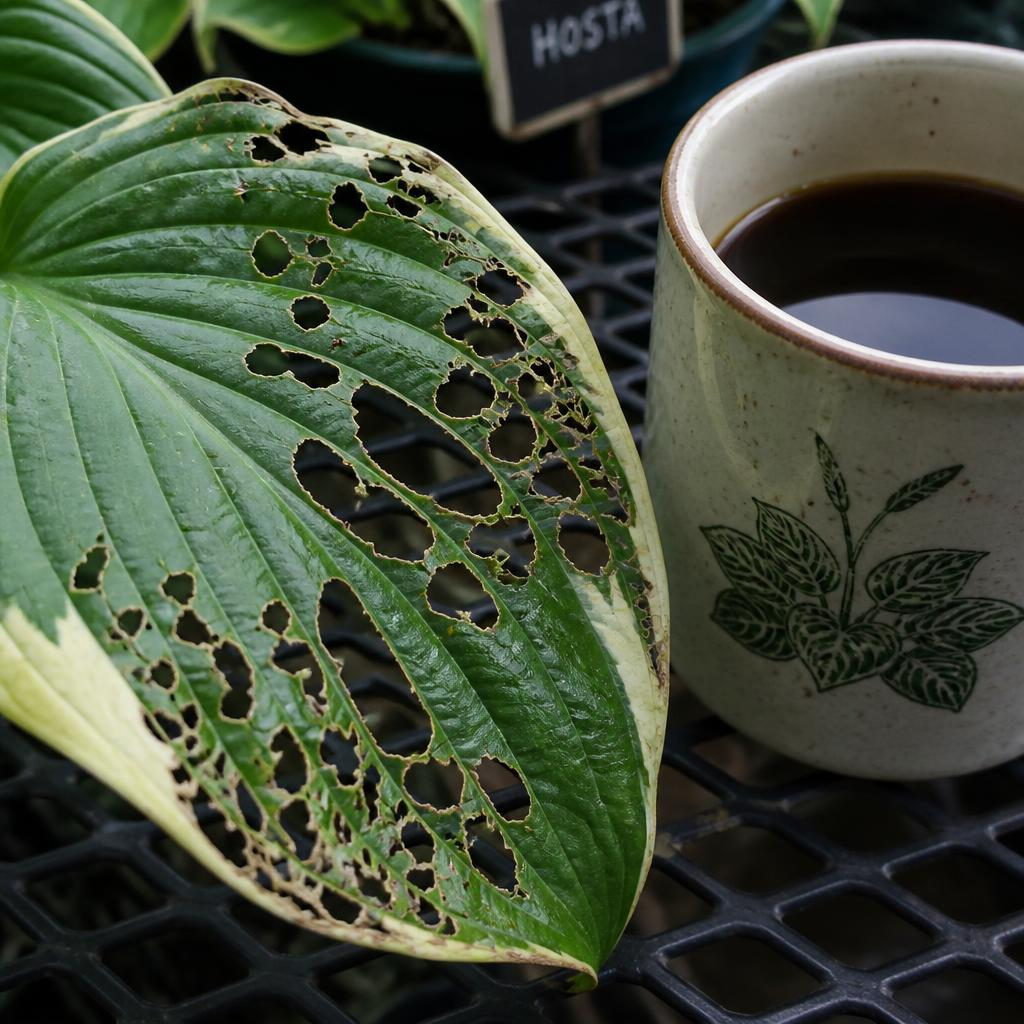
Affiliate Disclosure: This post contains affiliate links. If you make a purchase through these links, I may earn a small commission at no extra cost to you.
As I was preparing for our hosta trip to Madison and deciding which hostas to take with me to sell, I saw a problem.
There they were—tucked among the lower rows on our ground-level staging—bearing the unmistakable, ragged, skeletonized chew marks of summer's greediest freeloaders. Slugs. And don't worry, I won't be bringing anything that was on the ground; only those pristine specimens raised up too high on our tables for the slugs to ever dream of reaching are making the trip to Madison.
When you run a specialty hosta nursery, discovering a slug infestation is just part of the data set you have to troubleshoot. Every gardener eventually goes down the rabbit hole of searching for the ultimate slug killer, wading through a swamp of old wives' tales, organic home concoctions, and commercial chemical controls. To help you sort through the noise, let's look at what gardening community feedback and actual horticultural research have to say about the most popular remedies, broken down item by item.
Beer Traps
- Cost Range: $
- How It Works: Burying shallow containers of beer flush with the soil so slugs are attracted to the fermentation, crawl in, and drown.
- Pros: Uses common household items; catches a handful of local pests.
- Cons: Messy maintenance, requires constant refilling, smells foul as the beer rots, and leaves you with a collection of floating carcasses to clean out. Studies show they only attract slugs from a very localized radius, missing the wider population entirely.
- Final Grade: C
Copper Tape
- Cost Range: $$
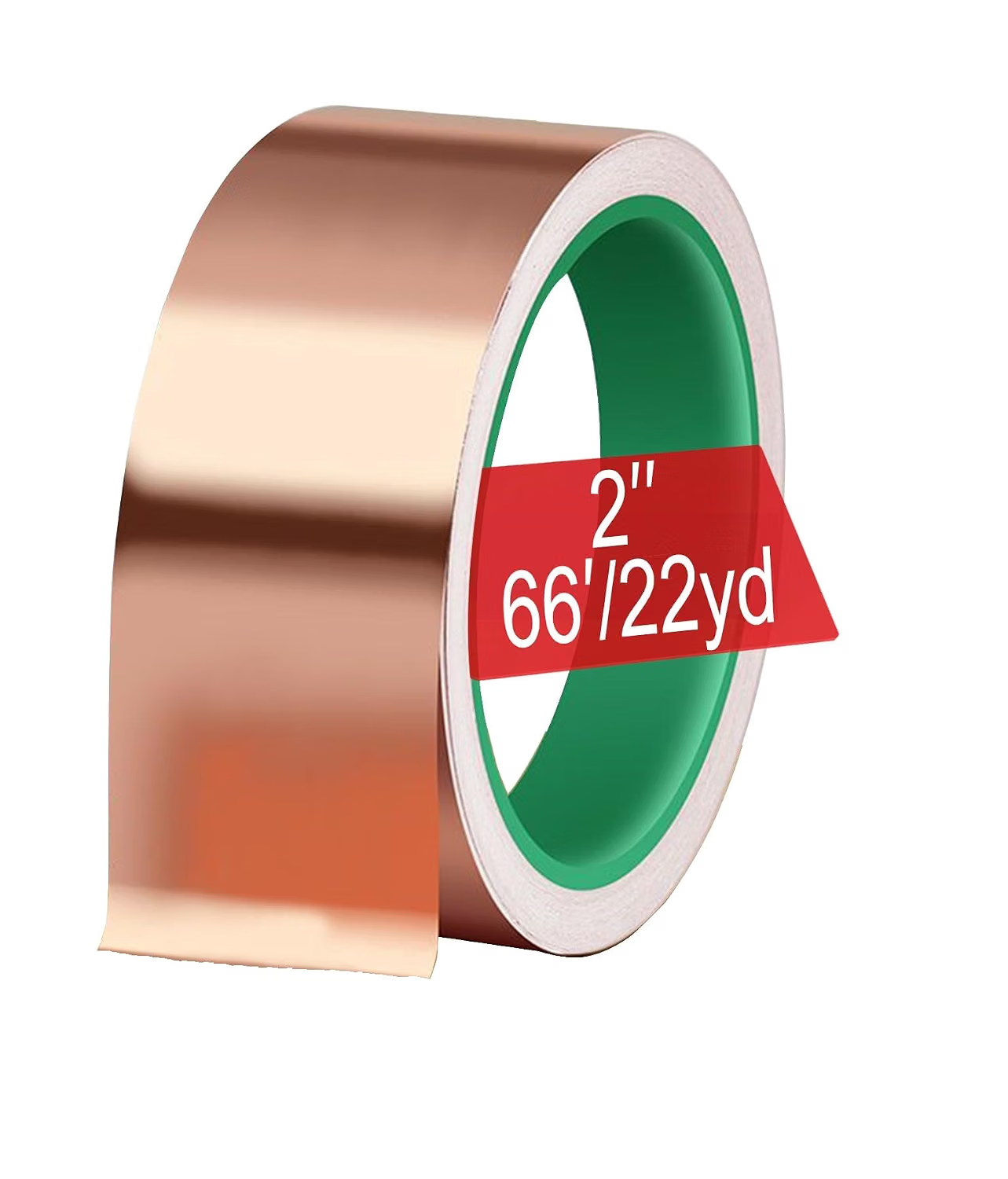
- How It Works: Placing adhesive copper strips around container rims or raised beds, creating a mild electrical reaction that disrupts the slug's slime trail.
- Pros: Highly effective for protecting individual potted plants or raised staging when kept clean; non-toxic to pets and wildlife.
- Cons: Effectiveness plummets if the copper oxidizes or gets caked in dirt and mud. Motivated slugs can occasionally slide across weathered surfaces.
- Recommended Product: Gardeneer by Dalen Copper Slug Tape with Conductive Adhesive
- Final Grade: B+
Diatomaceous Earth (DE)
- Cost Range: $
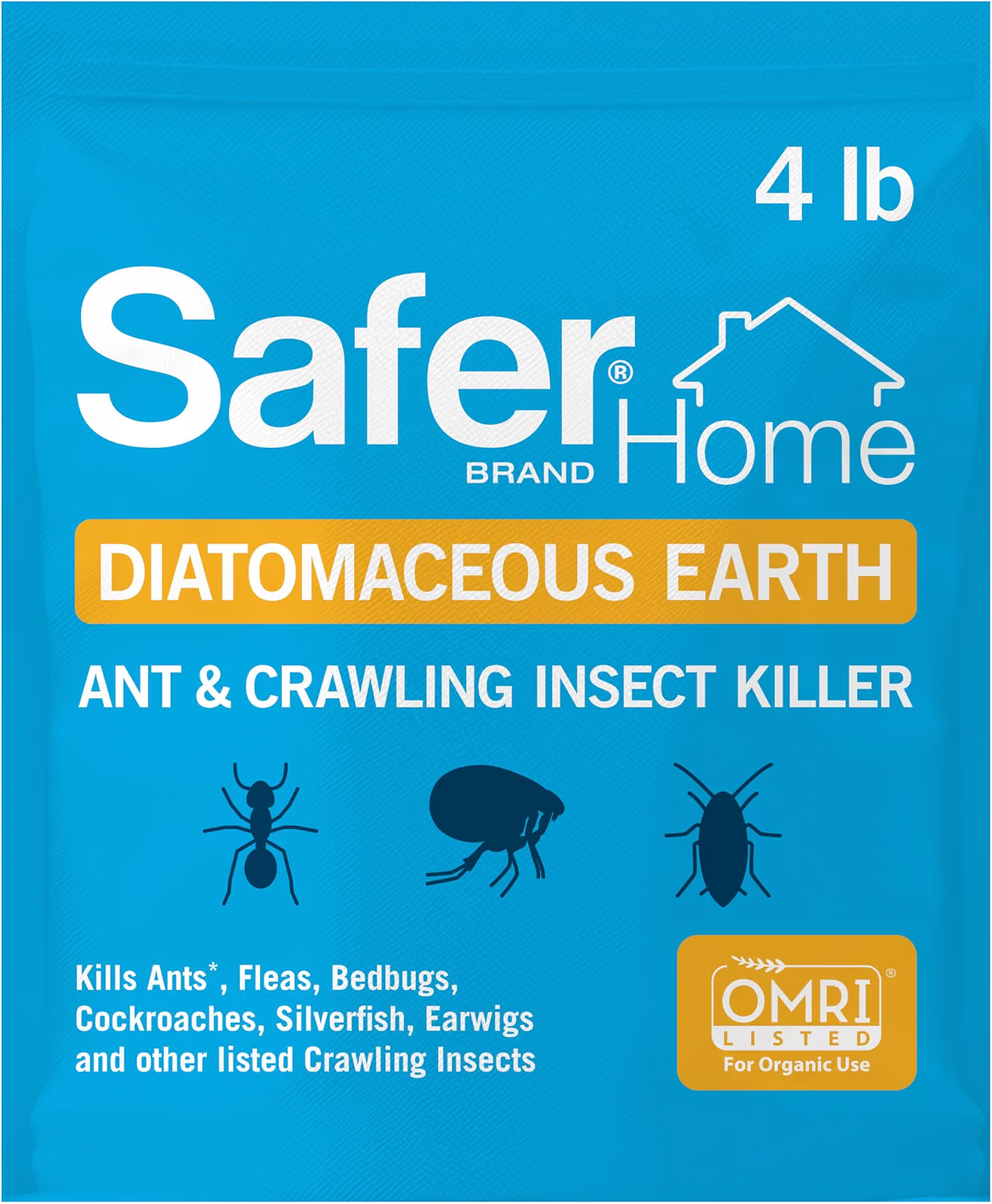
- How It Works: Sprinkling fossilized algae around plants so the microscopic sharp shards theoretically lacerate the slug's soft underbelly.
- Pros: Natural and non-toxic.
- Cons: Laboratory and field studies prove that DE loses nearly all efficacy the moment it gets wet or damp. In a lush, humid shade environment where hostas thrive, DE turns into useless mud almost immediately.
- Recommended Product: Safer Brand Diatomaceous Earth Powder
- Final Grade: D
Diluted Ammonia Spray
- Cost Range: $
- How It Works: Spraying a diluted mixture of household ammonia and water (typically a 10% to 25% solution) directly onto active slugs at dusk, or using it carefully as a spring soil drench.
- Pros: Highly effective contact killer that provides a quick knockdown; because ammonia is rich in nitrogen, weak dilutions used in soil can offer a minor secondary fertilizer boost.
- Cons: Requires hunting at night with a spray bottle. If the concentration is mixed too strong or applied carelessly, it can burn or scorch tender hosta foliage.
- Recommended Product: Uline Heavy Duty Plastic Spray Bottle (for easy evening application)
- Final Grade: B
Eggshells and Coffee Grounds
- Cost Range: $
- How It Works: Spreading crushed eggshells or spent coffee grounds around the root zone to create a jagged physical barrier or chemical deterrent.
- Pros: Free way to recycle kitchen waste; feels like classic cottage gardening.
- Cons: Controlled trials show neither material deters slugs effectively. Slugs glide right over crushed eggshells like a red carpet, and high concentrations of coffee grounds can actually burn tender plant tissue.
- Final Grade: D-
Iron Phosphate Baits (e.g., Sluggo)
- Cost Range: $$
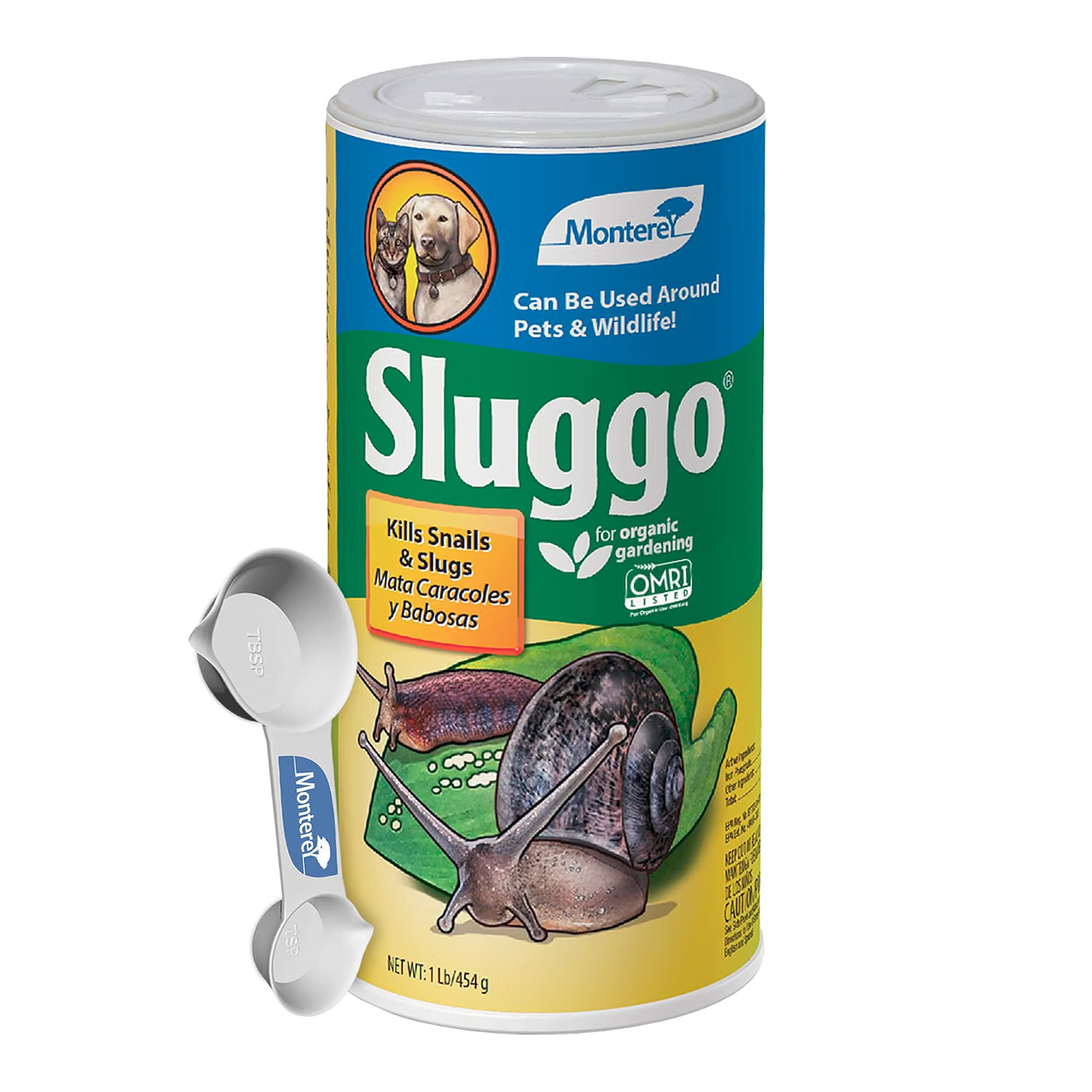
- How It Works: Spreading commercial pellets containing iron phosphate and chelated iron. Slugs ingest the bait, stop feeding, and crawl underground to die.
- Pros: Universally praised by commercial nurseries and home gardeners. Safe for pets and wildlife when used as directed, easy to broadcast, and breaks down safely into beneficial plant nutrients.
- Cons: Must be reapplied after heavy, torrential rains wash the pellets away.
- Recommended Product: Monterey Sluggo Wildlife and Pet Safe Slug Bait
- Final Grade: A
Metaldehyde Baits
- Cost Range: $$
- How It Works: Traditional chemical pellets that target the slug's water-regulatory mucus production, causing rapid dehydration and death.
- Pros: Highly lethal, fast-acting, and proven effective in large-scale agriculture.
- Cons: Highly toxic to dogs, cats, and local wildlife, drawing heavy warnings from veterinarians and environmental advocates. Strongly discouraged for backyard settings.
- Final Grade: C+
Biological Control (Beneficial Nematodes)
- Cost Range: $$$
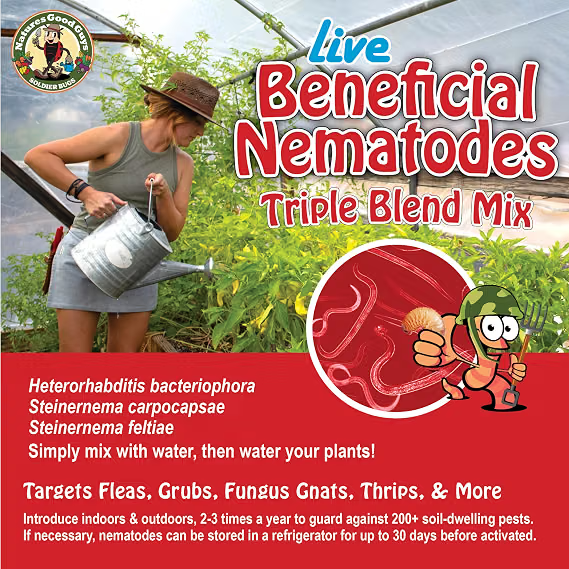
- How It Works: Watering the soil with microscopic beneficial nematodes (Phasmarhabditis hermaphrodita) that actively hunt down and parasitize slugs underground.
- Pros: Excellent whole-yard organic treatment that targets pests at the source without chemicals.
- Cons: Expensive, requires specific cool and moist soil temperatures to survive, and has a short shelf life during shipping and storage.
- Recommended Product: Nemasys Slug Killer Beneficial Nematodes
- Final Grade: A-
The Bottom Line on Slug Management
If you want to protect your prize hostas without turning your entire five-acre property into a chemistry lab, you have to separate folklore from function. Skip the kitchen scraps and save the beer for yourself after a long day of weeding. When it comes to keeping your shade garden pristine, focus on physical barriers like elevated tables to keep plants out of reach, paired with iron phosphate baits or beneficial nematodes when pressure gets high.
Data doesn't lie, and neither do chewed-up leaves—getting methodical about your control methods is the only way to stay one step ahead of the slime. Have you used any of these methods, or is there a secret weapon we didn't mention that worked wonders in your own shade beds?



0 Comments